
- News
- Relationships News
- 5 family habits you should unlearn and why
5 family habits you should unlearn and why

Why you should unlearn these family habits
We all have those family "unspoken rules"—the weirdly specific habits that felt completely normal growing up until we realized they were actually kind of exhausting. Whether it’s a cultural hand-me-down or a defense mechanism from a stressful decade, these patterns often live in the background of our lives, quietly draining our energy.
The good news? We're getting much better at calling these out. Shifting a family dynamic doesn't require a dramatic confrontation; it just takes a bit of "unlearning." Here are five common habits that are officially overdue for retirement.

Resigning from the “Clean Plate Club”
Most of us were raised by parents or grandparents who viewed an unfinished plate as a minor tragedy. While it came from a place of respect for resources, the "Clean Plate Club" actually trains us to ignore our own bodies.
The Human Shift: It’s okay to listen to your stomach instead of the porcelain. If you’re full, stop. Saving that last 20% for a "snack-over" tomorrow isn't wasteful—it’s actually a way of respecting your physical limits.
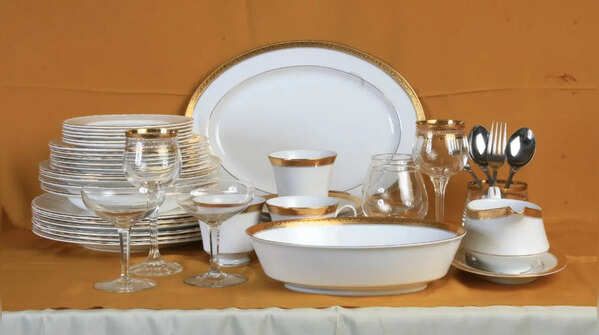
Saving the good and expensive stuff for special occasions
We all have that one cupboard: the "good" dishes, the expensive perfume, or the silk shirt kept for a "special occasion" that somehow never arrives. By treating daily life as a dress rehearsal for a perfect future, we miss the joy of right now.
The Human Shift: Life is the special occasion. Wear the dress to the grocery store. Use the fancy mug for your Tuesday morning coffee. Bringing the "good stuff" into your everyday routine is a quiet, powerful act of self-love.

Giving the "Silent Treatment" instead of talking and resolving issues
The silent treatment is basically emotional ghosting inside your own home. It feels like a shield, but it’s actually a wall that traps resentment on both sides. Expecting a partner or child to "guess" why you're upset is a recipe for a very long, very cold weekend.
The Human Shift: Try the "I need a minute" approach. It’s okay to be too mad to talk, but tell them that. "I’m really frustrated right now and need 30 minutes to cool down before we discuss this" is infinitely healthier than a three-day frost.

Pushing yourself even when sick in difficult times
There’s a weird pride some families take in "pushing through" a fever or a hacking cough. We treat rest like it’s a luxury for the lazy rather than a biological necessity. In reality, showing up to work or school sick doesn't make you a hero; it usually just makes you a biohazard.
The Human Shift: Let’s normalize the true sick day. Strength includes knowing when your battery is at 5%. When a family member says they’re unwell, the response should be "Go lie down," not "Are you sure you can't make it?"

Not talking about problems and difficult issues
Every family has an "Elephant in the Room"—maybe it’s money stress, a mental health struggle, or an old grievance. We stay silent because we think it protects the peace, but unaddressed problems don't disappear; they just ferment.
The Human Shift: You don't have to solve everything in one night. Just opening the door—"Hey, I’ve been feeling a bit stressed about our budget lately, can we chat?"—takes the power away from the secret. Communication turns a group of people living together into an actual team.
Featured In Relationships

