
- News
- Relationships News
- 10 simple work habits that save you hours every week
10 simple work habits that save you hours every week

Simple work habits that help create more time in your busy schedule
Let’s face it—modern work doesn’t really have an "off" switch anymore. We’re constantly reachable, always drowning in notifications, and somehow still falling behind. Instead of pinning all your hopes on a vacation that's months away, the real fix comes down to how you protect your day-to-day energy.
Here are 10 straightforward habits to help you stop just surviving the grind and actually take control of your time.

Tackle the heavy lifting first
Your brain is sharpest before you get bogged down by endless emails and minor workplace fires. Do your most mentally taxing task first thing in the morning. It builds massive momentum, and it kills that low-grade anxiety of having "that one big thing" hanging over your head all afternoon.

Escape the instant-response trap
Constantly jumping every time Slack, Teams, or email pings completely shreds your focus. Instead of checking every notification, check your messages at set intervals—say, every 90 minutes. You’re still being responsive, but on your own terms. Most things can wait an hour, and a thoughtful response is always better than a rushed reply.

Book a non-negotiable meeting with yourself
Block off just one hour a week where you are completely unavailable to the world. Use this time to zoom out, plan ahead, and look at the bigger picture.
Note: This isn't "free time" for colleagues to book over; it's the strategic runway you need to stop just reacting to emergencies and start steering your own ship.

Stop over-explaining everything
We often write paragraphs when a single sentence would do, usually because we're worried about pushback or sounding too blunt. But long-winded answers just muddy the waters. Keep your replies short and direct. It respects everyone’s time (including yours) and cuts out a ton of unnecessary emotional labour.
Build a hard stop into your evening
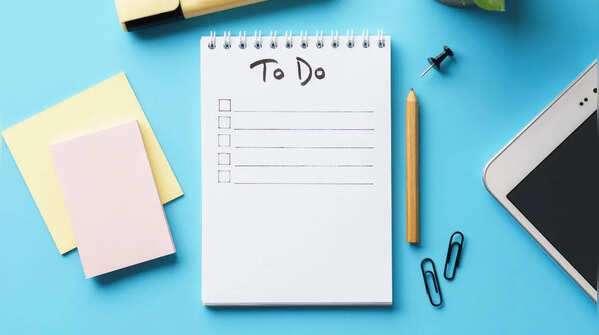
Work shouldn't keep running in the background of your mind while you're trying to relax or spend time with family. Take 10 minutes at the end of the day to do a brain dump: note down what’s left, list tomorrow's top priorities, and physically close the laptop. It gives your brain the psychological permission it needs to actually log off.

Schedule rest before you're running on fumes
Waiting until you're completely burnt out to take a break is like waiting for your car's engine to smoke before buying gas. Proactive rest is the goal. Block out time for short walks or actual lunch breaks like they're mandatory assignments. It protects your mental battery way better than a desperate weekend crash ever could.

Batch mindless micro-decisions
Agonizing over what to wear, what to eat for lunch, or which low-stakes email to click first burns up precious mental energy for no good reason. Automate or group the small stuff. Plan your meals or outfits ahead of time so you can save your mental energy for decisions that actually matter.

Keep a "not right now" list
Your brain is great for having ideas, but terrible at storing them. When a random thought or an intrusive "urgent" request pops up mid-task, don't let it hijack your focus. Write it down on a designated "not now" list and keep moving. You'll find half of those urgent thoughts don't even matter by the end of the day.

Give yourself 10 minutes between tasks
Back-to-back calendar invites are a recipe for feeling frazzled. Intentionally leave a 10-to-15-minute buffer between meetings or major projects. It gives you a second to stretch, grab water, and mentally transition so you can actually show up present for the next thing.

Aggressively protect your calendar
Most meetings could easily be a couple of bullet points in an email or a quick chat update. Before you click "Accept" on an invite, ask yourself what you're actually contributing. If you're just there to listen, see if you can skip it and read the recap notes later. Treat your time like a finite resource—because it is.
Featured In Relationships

