
- News
- Real Estate News
- How to claim home loan refund and save money easily: Here’s everything you need to know about the process
How to claim home loan refund and save money easily: Here’s everything you need to know about the process

Home loan PMAY-U 2.0 eligibility: Who is this scheme actually for
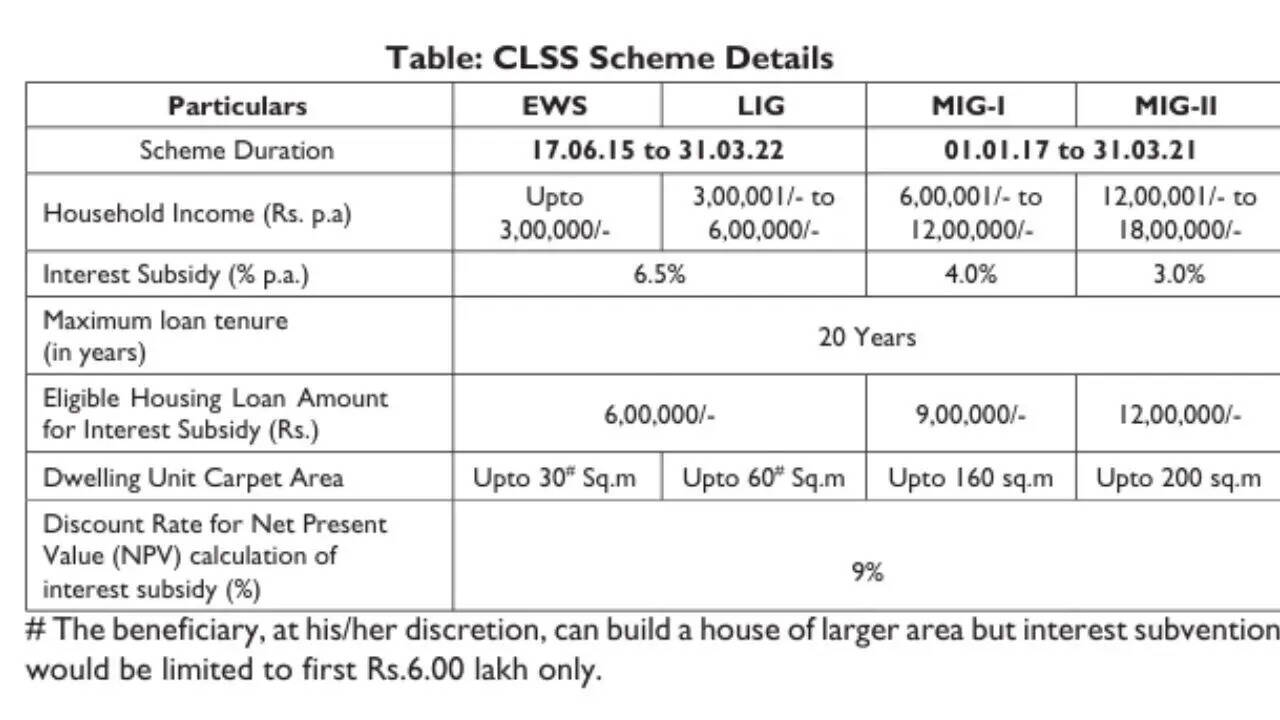
- EWS: up to Rs 3 lakh annually
- LIG: Rs 3–6 lakh
- MIG: Rs 6–9 lakh
- Applicant must not own a pucca house anywhere in India
- Family is usually defined as husband, wife, and unmarried children
- The benefit is limited to one-time assistance per household
- Must be residing in urban or notified planning areas
PC: Ministry of Housing
How the home loan application process begins under the PMAY-U 2.0 scheme
- Basic application with Aadhaar-linked identity details
- Income declaration and family information
- Bank account linking
- Submission of documents for verification
- Income certificates checked by local authorities
- Document matching across databases
- Corrections requested for mismatched details
- Repeated visits to update or resubmit papers
How PMAY-U 2.0 home loan subsidy reduces your loan burden
- Applicant takes a home loan from a participating bank or housing finance company
- Eligibility under PMAY-U is verified separately
- Once approved, the subsidy is calculated and transferred to the loan account
- The subsidy reduces the outstanding principal or interest burden
- EMI becomes lower than the standard loan repayment
- Total interest burden reduces over time
- The benefit is visible gradually, not immediately in full
Why affordable housing in India runs on multiple parallel systems
- Beneficiary-led construction (BLC): support for people who already have land but need money to build a house
- Affordable housing in partnership (AHP): homes developed with private builders and allotted to eligible families
- Affordable rental housing (ARH): units designed for migrants and urban workers who cannot commit to ownership
- Interest subsidy scheme (ISS): loan-linked support that reduces the cost of borrowing

About the AuthorTOI Lifestyle Desk
End of Article
Follow Us On Social Media

Hot Picks
Top Trending
Tired of too many ads?go ad free now
Trending Stories
In Section
Entire Website
- DHSE Kerala Plus Two Result 2026: Class 12 scores releasing today at 3 pm on keralaresults.nic.in as over 4.25 lakh students await HSE results; check how to download marksheets on DigiLocker
- Kerala LSS USS Result 2026: Official Website Not Working? Here’s How to Check and Download Your Result at bpekerala.in
- CBSE answer sheet row deepens as student alleges Physics copy uploaded by board ‘is not mine’
- NFL Trade Rumors: Minnesota Vikings linked to $3M Dallas Cowboys linebacker in surprise trade buzz
- Kerala CM Kids LSS USS 2026 result released at bpekerala.in: Direct link to download here
- Ravens star Marlon Humphrey reacts as Donald Trump's discussion involving Abdul Carter and Jaxson Dart grabs NFL attention
- Elina Svitolina and Gael Monfils combined net worth: How years on the tennis tour built their growing fortune
- "There’s real hope they can....": Blake Lively reportedly convinced Taylor Swift and Travis Kelce can’t cut her out of their wedding invitations
- No Real Madrid player in Spain’s FIFA World Cup squad; Lamine Yamal, Nico Williams included despite injuries
- 'I pity you guys': Shreyas Iyer's sister blasts online abuse after PBKS miss IPL 2026 playoff by one point
- DHSE Kerala Plus Two Result 2026: Class 12 scores releasing today at 3 pm on keralaresults.nic.in as over 4.25 lakh students await HSE results; check how to download marksheets on DigiLocker
- Kerala LSS USS Result 2026: Official Website Not Working? Here’s How to Check and Download Your Result at bpekerala.in
- CBSE answer sheet row deepens as student alleges Physics copy uploaded by board ‘is not mine’
- NFL Trade Rumors: Minnesota Vikings linked to $3M Dallas Cowboys linebacker in surprise trade buzz
- Kerala CM Kids LSS USS 2026 result released at bpekerala.in: Direct link to download here
- Ravens star Marlon Humphrey reacts as Donald Trump's discussion involving Abdul Carter and Jaxson Dart grabs NFL attention
- Elina Svitolina and Gael Monfils combined net worth: How years on the tennis tour built their growing fortune
- "There’s real hope they can....": Blake Lively reportedly convinced Taylor Swift and Travis Kelce can’t cut her out of their wedding invitations
- No Real Madrid player in Spain’s FIFA World Cup squad; Lamine Yamal, Nico Williams included despite injuries
- 'I pity you guys': Shreyas Iyer's sister blasts online abuse after PBKS miss IPL 2026 playoff by one point
Tired of too many ads?go ad free now



Explore Every Corner
Across The Globe
Shreyas Iyer SisterDivya DeshmukhVirat KohliNFL Trade RumorsMarlon humphreySpain FIFA world cup squadRCB vs GT Qualifier 1Delhi TemperatureNFL Trade RumorsKerala HSE 12th ResultCNG Price TodayMarco RubioKerala Plus 2 ResultElina Svitolina and Gael Monfils Net WorthIPL Qualifier 1NCAA Baseball Bracket 2026US Iran WarFIFA World Cup SquadHunter ArmstrongIPL Orange Cap 2026Carey Price WifeAmanda Nunes and Nina Nunes Net WorthIPL 2026 Playoff PredictionIPL Playoffs ScheduleConor McGregorTravis ScottTravis HunterNFL Trade RumorsLamine YamalVegas Golden Knights vs Colorado Avalanche

Hot on the Web
Anita KanwalImtiaz AliRukmini VasanthHema MaliniDenzel WashingtonRam CharanDiljit DosanjhAaradhya BachchanMammoothyPadma Awards 2026Drishyam 3 Box Office CollectionAishwarya Rai BachchanRavi KishanBill GatesDr Santosh GoyalChand Mera Dil Box Office CollectionJagapathi BabuAishwarya Rai BachchanAnti Termites TipsKaruppu Box Office CollectionDhurandhar 2Abhijeet DipkePopular FoodSnake Parks in IndiaKangana RanautAR RahmanBaby NamesDhurandhar 2 Box Office CollectionPati Patni Aur Woh Do Box Office CollectionHoroscope TodayHarpy Eagle Vs Philippine EagleVenomous Vs Non Venomous SnakesUS Powerball LotteryHighest Anaconda PopulationWorld Highest Paid AthletesRussia OreshnikNyt ConnectionsTwisha Sharma Death CaseTexas Telescope RanchChina New Humanoid RobotSuryastraCaptions For Instagram Posts
Trending Topics
RCB VS GT IPL MatchJasprit BumrahRBI Assistant Result 2026UK Weather ForecastBCCI Women CoachesNicola SturgeonPatrick KanePink Lakes around the WorldUK HeatwaveSamardeep GillHPSOS Results 2026Marco Rubio Taj Mahal VisitDelhi CapitalsDelhi HeatwaveTiger WoodsBlake LivelyBTS FIFA World Cup anthemMalabar Hill TankNFL Trade RumorPatrick MahomesKeir StarmerBritain Heatwave 2026Nicole KidmanCareer Advice for GenZsJohn SantoraRyan ReynoldsAaron RodgerPiyush GoyalBSF conquers EverestSergio GorJP MorganBill GatesApple iPhone 18 ProSam AltmanSundar PichaiHmd Vibe 2H 1b VisaElon MuskGarena Free Fire MAX Redeem CodesPeroxide CodesGenshin Impact Codes
Popular Categories
HeadlinesSports NewsBusiness NewsIndia NewsWorld NewsInternational SportsHealthIndian TV ShowsTechnologyTravelEtimesAstrologyDeorhiAutoTechnology NewsGold Rate TodayWeather TodaySilver Price TodayDelhi Weather TodayPetrol Price TodayDiesel Price TodayCNG Price TodayLPG Price TodayPetrol Price MumbaiDelhi AQIIs Bank Open TodayMumbai AQI TodayIs Bank Open TomorrowPublic Holidays in MayBank Holidays in May
Trending Videos
U.S. MQ-9 Shot Down Again? Iranian Reports Claim American Assets Targeted In Hormuz Clash'Leave Kyiv NOW': Putin's Huge Warning To U.S. Diplomats As Russia Vows To Wipe Out 'ENEMY TARGETS'Why BSP’s Comeback Could Hurt Akhilesh Yadav The Most In UPBangladesh-Pakistan Defence Ties Deepen, Raising Strategic Questions For IndiaIPL Qualifier 1: Virat Kohli vs Shubman Gill set to hold keyRussia Claims 1,135 Ukrainian Casualties In A Day As Vostok Units Seize Dobropasovo CorridorSarah Ferguson Using Oprah Interview ‘LEVERAGE’ For Royal Pension?'No Israel Normalisation Without Palestine': Saudi Sources Reject Trump's Abraham Accords PushU.S. Bombs Southern Iran; IRGC Boats Targeted In 'SELF-DEFENCE', 4 Killed Near Hormuz | WATCHIran Demands China Custody Of Nuclear Stockpile To End US War | ReportsUS Navy Shipbuilding Chaos Explodes During Fiery Hearing; Elfreth Blasts Top OfficialsTrump’s Iran Slip-Up Leaves Memorial Day Crowd Speechless | Caught On Cam‘Leave Kyiv Now’: Russia’s Chilling Warning As Putin Plans ‘Systematic Strikes’ On Ukraine Capital'Let Trump Get More Desperate': Iran Drops Chilling Message As US Pushes For DealHezbollah's Drone Blitz Rocks Israel Again; IDF Gathering Targeted In Chilling New Video | WATCHPakistan Alarmed As India Doubles Down On France's Rafale With Biggest Fighter Jet Deal EverTehran Rebuilds Missile Arsenal In Weeks As Decentralised Missile Cities Pay OffFrom 'Hellhole' To 'I Love India': Trump, Rubio's Desperate U-Turn To Mend Ties
Latest News
Hazaribag man drowns while fishing in lake"Behen Darr Gayi!": Fans relive ‘Bhagam Bhag’ era after watching Akshay Kumar's 'Bhooth Bangla' trailerMBOSE HSLC result 2026 to release tomorrow: Check details hereIran war risk: JPMorgan CEO Jamie Dimon warns of oil shocks, sticky inflation and higher interest ratesMake your clutch last longer with these easy driving tips“Three-against-one situation”: El Rubius opens up on being “targeted” in MrBeast’s viral $1M challengeBihar BTSC lab assistant notification released for 1091 posts at btsc.bihar.gov.in; apply hereIPL craze costs techie Rs 1.46 lakh in fake RCB vs CSK ticket scamRaising “robot-proof” kids: Why creativity and curiosity matter more than everInside ‘Satguru Sharan’: Exploring Saif Ali Khan and Kareena Kapoor Khan’s Rs 100 crore Bandra homeHow selling Alaska in 1867 was a costly mistake for Russia'Hera Pheri 3 is coming': Paresh Rawal dismisses delay reports and reveals he will 'start shooting soon'US-Iran War: A daring rescue Hollywood blockbuster is on its way. Till then, pick your favourite from these 10 films on bringing someone home against all oddsKolkata team unveils fan mural at Rash Behari Avenue, celebrating city’s first loveHow US spread a lie to rescue a pilot of a jet shot down in IranNetflix unveils ‘VOID’, an AI model that can change a movie plotAI data centers are causing 'stress' not just to tech companies, but also private insurers"Trans women are.....": Clavicular’s viral moment with trans women sparks fresh conversation on internet culture
Copyright © 2026 Bennett, Coleman & Co. Ltd. All rights reserved. For reprint rights: Times Syndication Service