
Ebola in Europe? Italy reports 2 suspected cases in Milan — How travelers can protect themselves from infection
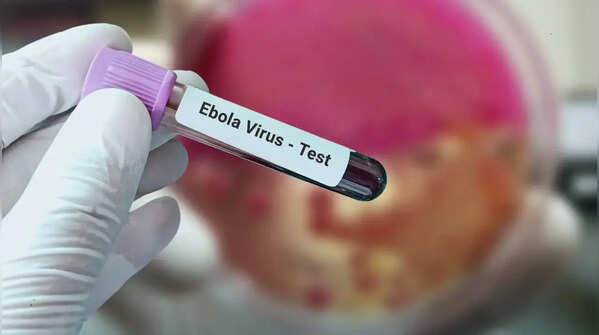
Ebola in Europe? Italy reports 2 suspected cases in Milan
Ebola has everyone on edge again, and not just in the Democratic Republic of Congo or in Uganda. This time, Europe is also on the verge of being panic-stricken as Italy just flagged two suspected Ebola cases in Milan — both are aid workers who recently got back from Uganda. Authorities insist the public isn’t at much risk, but people are still jittery. It’s a harsh reminder of how quickly something like Ebola can cross borders, especially with all of us flying around the globe nonstop.
According to Italian and European officials, both the man and woman involved are from Lombardy. They started feeling sick — fever, vomiting, nausea, diarrhea — right after their three-month stint in Uganda. They were rushed to infectious disease hospitals in Milan, where doctors started strict checks and tests right away.
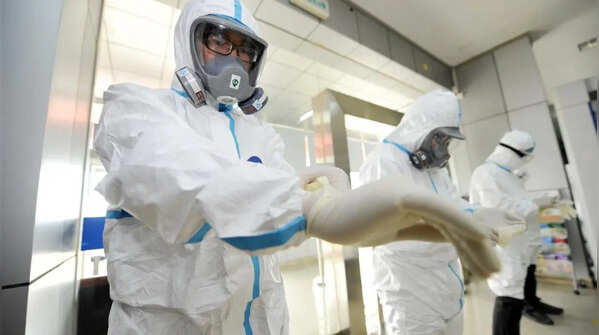
Ebola in Italy: What’s happening?
Per Euronews, the suspected cases in Milan, Italy, come at a sensitive moment, as the World Health Organization has already declared the ongoing Ebola outbreak linked to the Bundibugyo strain in parts of the DRC and Uganda a Public Health Emergency of International Concern. Although there’s no confirmed Ebola transmission in Italy yet, experts say this is a wake-up call. So it’s imperative to stay alert, know the risks, and take basic precautions, especially if you’re traveling.
Italian officials keep stressing that the cases are still under investigation and that several other illnesses, including malaria, are also being considered. So, Lombardy authorities have already activated emergency infectious disease protocols as a precautionary step rather than evidence of confirmed community spread.
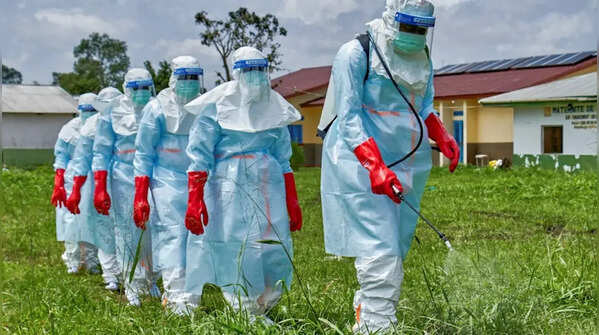
Ebola outbreak: What we know so far
Ebola is a severe viral disease spread primarily through direct contact with bodily fluids such as blood, sweat, vomit, saliva, or urine, or through contact with contaminated surfaces from an infected person. Unlike airborne viruses such as COVID-19, Ebola does not spread easily through casual contact or simply by being near someone. European health agencies still rate the risk for most people as "very low."
Still, infectious disease experts say travelers should remain informed, especially when visiting regions affected by outbreaks.
Per the WHO, this current outbreak features the Bundibugyo strain, which is one of the rarer types of Ebola. There’s no approved vaccine for it yet, nor any specific antiviral treatment. WHO reports hundreds of suspected cases and dozens of deaths in parts of Central Africa. War zones, people moving around, shaky healthcare — all that makes it harder to contain.
Here’s how travelers can protect themselves.
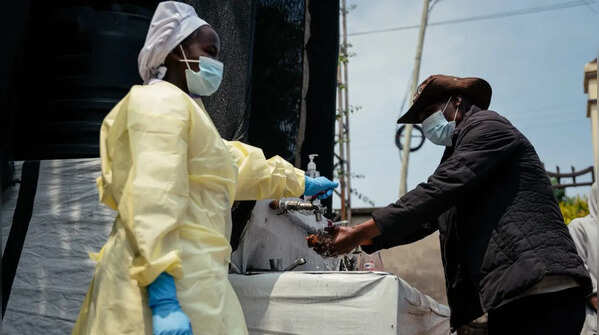
Steer clear of sick people and bodily fluids
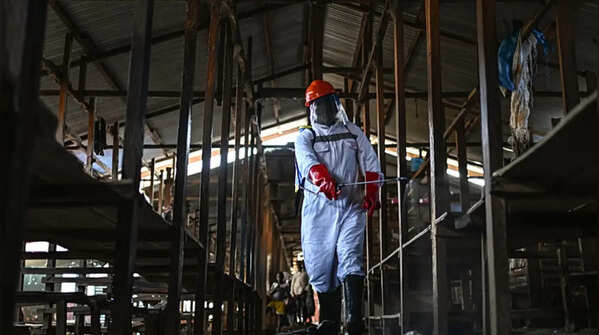
One of the most important ways to protect against Ebola infection while traveling is by avoiding direct contact with bodily fluids or visibly sick individuals. Doctors say Ebola only becomes contagious once symptoms show up. Fever, weakness, vomiting, diarrhea, unexplained bleeding — if someone’s got these, you must keep your distance. Healthcare workers, aid staff, and caregivers are at high risk. The WHO advises strict hygiene precautions and appropriate protective equipment in high-risk settings.
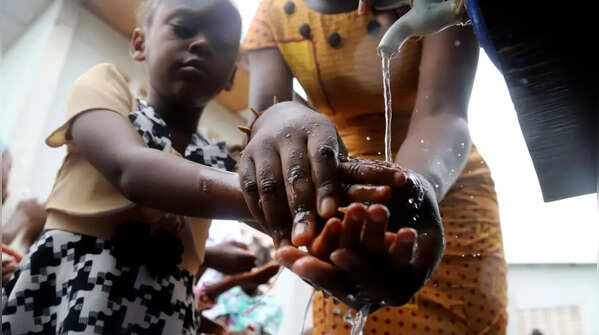
Wash your hands — a lot
The second major protective measure is hand hygiene. Public health experts say frequent handwashing really helps. Soap, water, alcohol-based sanitizer — whatever you can use. Especially after touching public surfaces in airports, transport, hospitals, or crowded places.
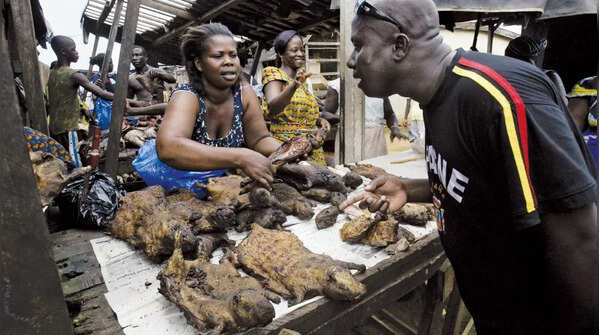
Avoid bushmeat and wild animals
Scientists believe Ebola outbreaks often kick off with infected animals — bats, primates, that sort of thing. For the sake of safety, the WHO and European health authorities advise travelers not to handle dead animals or consume undercooked wild meat in affected regions.
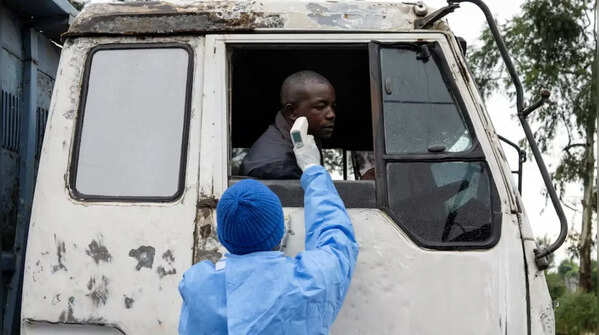
Watch out for symptoms after you travel
Monitoring symptoms after travel is equally important. Ebola’s incubation can stretch from 2 to 21 days, which means symptoms may not appear immediately after exposure. So after visiting affected areas, check for fever, vomiting, fatigue, bruising, and bleeding. If you feel sick, go see a doctor ASAP — and mention where you’ve been.
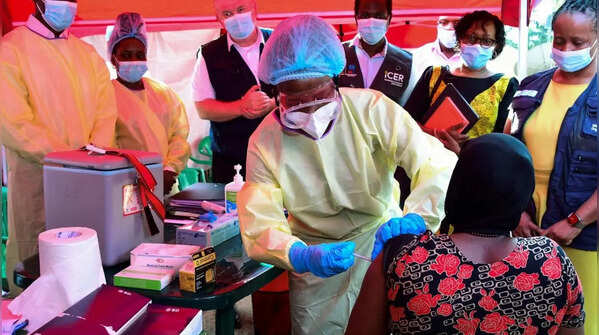
Stick to reliable health info
This one probably is the most crucial one: don’t let fear-mongering tweets or viral posts drive your decisions. Misinformation often spreads faster than viruses during global health scares. So, trust reliable updates from organizations such as the WHO, the European Centre for Disease Prevention and Control, and national health ministries instead of relying on viral online claims.
How’s Italy responding to two suspected cases?
Italy has turned the dial up at airports, with extra screening for arrivals from Uganda or Congo. Think questionnaires, temperature checks, and more intensive surveillance at Milan Malpensa and Rome Fiumicino.
Officials are waiting for lab results and pushing calm preparedness, not panic. But these suspected cases are another lesson: disease surveillance doesn’t stop at the border.
For travelers, the takeaway’s pretty clear. Stay informed. Practice good hygiene. Seek medical help quickly when symptoms crop up. It’s not just Ebola — this advice works for whatever new threat may come next.
Featured In etimes

