
- News
- lifestyle
- travel
- things-to-do
- From Python Festival to Nag Panchami; 7 unique snake festivals celebrated around the world and what travellers need to know
From Python Festival to Nag Panchami; 7 unique snake festivals celebrated around the world and what travellers need to know
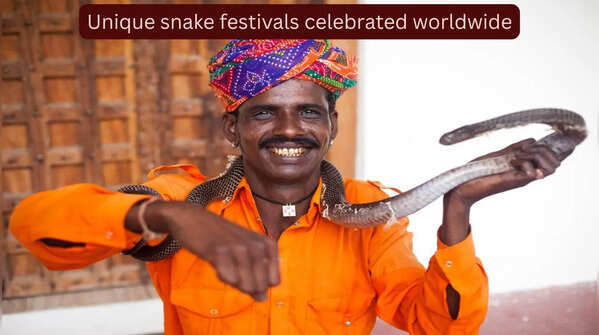
From Rito dei Serpari to Nag Panchami; 7 unique snake festivals celebrated around the world and what travellers need to know
For many, snakes inspire fear, mystery, caution and fascination. And sometimes, all feelings at once. But in several parts of the world, the slithering creatures are respected, celebrated and considered angels. Snakes are woven into religious beliefs, folklore and cultural traditions. But it’s not just India but villages in Italy too where snakes are revered. In fact, Italy has a festival where saints are draped in live (non-venomous) serpents. In India, there are ancient Hindu festivals dedicated to snake gods which attract curious travellers seeking experiences beyond the usual tourist trail.
These festivals are not just about reptiles but reflect centuries-old beliefs about nature, fertility, protection, healing and the relationship between humans and the wild. For travellers, these festivals offer an insight into living traditions that have survived generations.
Here are seven of the world's most unique snake festivals and what travellers should know before attending.
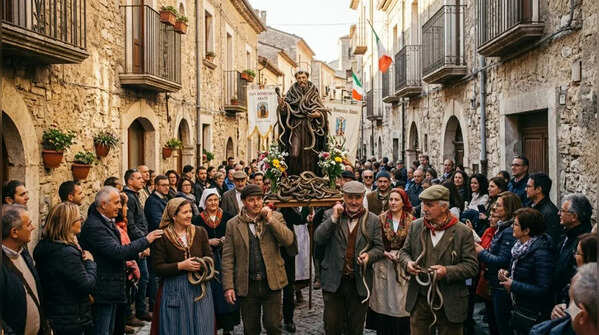
Rito dei Serpari, Italy
Rito dei Serpari is one of the most famous snake festivals worldwide. It is celebrated every year on May 1 in the tiny mountain village of Cocullo, Abruzzo. Also known as ‘Festival of the Snake Catchers’, this Italian event witnesses a statue of Saint Dominic being carried through the streets. No that’s not it. The statue remains covered in dozens of live but non-venomous snakes! Sounds interesting, right The tradition is believed to have roots in ancient rituals linked to Angitia, a pre-Roman snake goddess worshipped by the Marsi people.
What travellers should know
For those witnessing it for the first time, it might look terrifying. But stay calm, don’t panic and arrive early. Because the festival attracts thousands of curious people and it generally gets crowded during the procession.
(PC AI-generated)
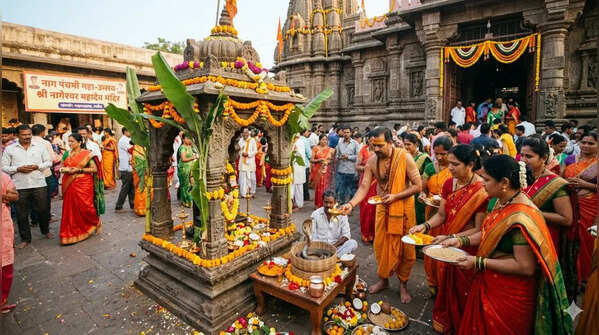
Nag Panchami, India and Nepal
Another prominent celebration around snakes is Nag Panchami, celebrated across India and Nepal. It is among the largest snake-related festivals in the world that takes place in July or August every year. On this day, Hindu devotees worship the Lord of serpent and other deities known as Nagas for protection. In North India, it is a big day which calls for elaborate rituals in temples dedicated to snake gods.
What travellers should know
Travellers and photographers should remember that it is a religious festival. Be respectful and follow temple etiquette.
(PC: AI-generated)
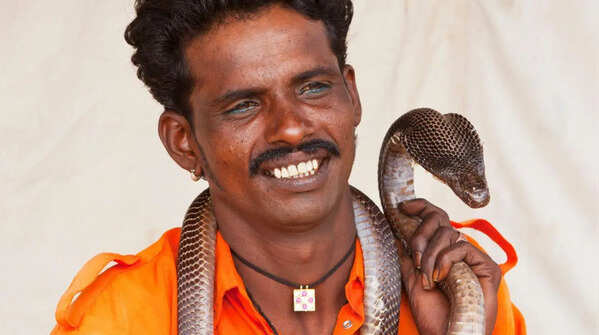
Manasa Puja, India
Manasa Puja is celebrated in West Bengal and Assam in the monsoon season. Manasa Devi is considered the Hindu goddess of snakes. She is said to heal people. Clay serpent idols are worshipped, accompanied by traditional folk songs and storytelling traditions based on medieval legends.
What travellers should know
For travellers interested in local culture, it’s a good opportunity to look at regional traditions and village life.
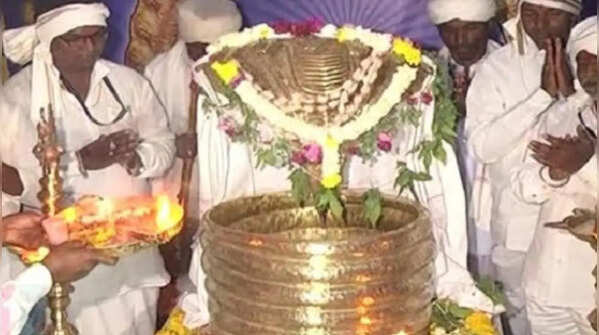
Nagoba Jatara, India
This is one famous Indian festival that honors the serpent deity Nagoba (Seshanag). The festival is held in Telangana's Keslapur village and is among India's largest tribal festivals. The Gond community gathers to honour Nagoba, who is their ancestral serpent deity.
What travellers should know:
It’s one of those unique celebrations which highlight indigenous traditions, tribal dances and centuries-old customs rarely seen by international visitors. Travellers should expect a rural setting and be ready for limited tourist infrastructure.
(PC: utsav.gov.in)
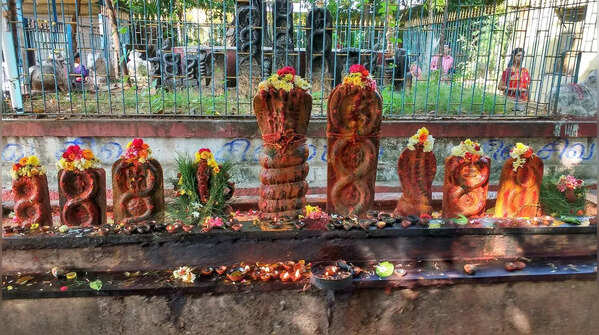
Nagula Chavithi, India
Nagula Chavithi is another Hindu festival celebrated in Southern India—especially in Andhra Pradesh, Telangana, Karnataka, and Tamil Nadu. The festival is celebrated shortly after Diwali and is dedicated to worshipping Naga Devatas (serpent deities).
What travellers should know:
For cultural travellers, it is a festival that offers an insight into how snake worship remains integrated into everyday family life at some places.
(PC: wiki/CC 4.0)

Python Festival, Benin
Python Festival is among West Africa's most unique cultural celebrations which takes place in Ouidah, Benin. In local Vodun traditions, pythons are considered extremely sacred. The annual festival features ceremonies, music, dancing and rituals centred around the revered snakes.
What travellers should know:
At the Temple of Pythons, travellers can observe royal pythons that are treated with great respect and travellers should approach the festival as a religious event rather than a wildlife attraction. Local guides can help visitors here.
(PC: @Naija Explorers/Facebook)
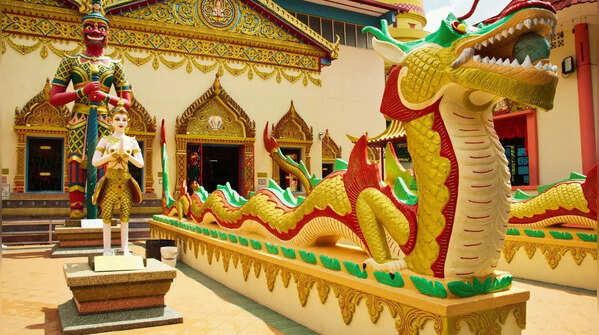
Snake Temple Festivals, Malaysia
Malaysia's famous Snake Temple in Penang is known for hosting some of the most spectacular religious celebrations linked to Chinese folk beliefs and the birthday of Chor Soo Kong, a Buddhist monk believed to possess healing powers. During major festival periods, devotees gather to pray, while temple grounds remain known for their resident pit vipers.
What travellers should know:
Travellers should follow temple rules carefully. Avoid touching snakes.
Featured In lifestyle

