
- News
- lifestyle
- health-fitness
- health-news
- Why are ovarian cysts becoming common in young women, Expert reveals
Why are ovarian cysts becoming common in young women, Expert reveals
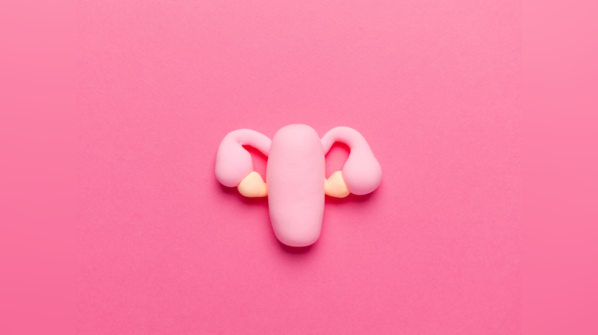
Increasing risk of ovarian cyst
Ovarian cyst which is also termed as Para tubal cyst is a fluid-filled sac that originates either in the ovaries or the fallopian tubes. These cysts are usually benign or non-cancerous as they do not attach to any internal organs. They account for only 10-15% of all adnexal masses. More than 2/3 rd of the cases are diagnosed in women in their 3rd or 4th decade.
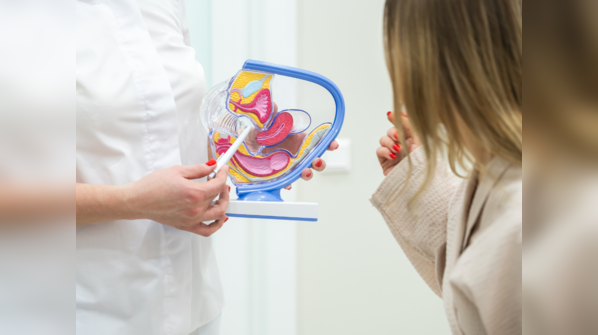
Why are cysts developing in young women?
“Less frequently, non-functional cysts develop as a result of ovarian growth. Girls and young women who are pregnant or who are dealing with other conditions including endometriosis, hormonal disorders, severe pelvic infections, or who have had prior ovarian cysts are more likely to develop ovarian cysts in general.”
When para-ovarian cysts enlarge, they may pose a few complications-
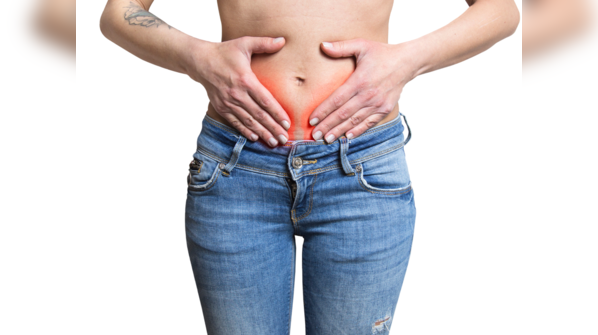
Torsion
Para ovarian cysts are held in position by special tissues called stalks. Sometimes the para ovarian cyst may twist on the stalk resulting in torsion which has adverse effects like- vomiting, fever, sudden and severe abdominal pain, cramps, and lower back pain.
Hemorrhage- Sometimes, the ovarian cyst may rupture resulting in uncontrollable bleeding and blood loss.
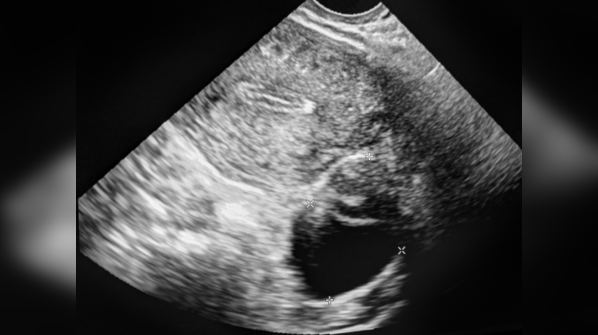
Fallopian Tube Rupture
“When the ovarian cysts twist, the fallopian tubes can potentially twist and split open resulting in fallopian tube rupture which damages the fallopian tubes permanently. It can also lead to gangrene and septicaemia landing the patient in the ICU in a very critical state,” Dr. Jainesh says.

Giant Cysts
At times the ovarian cysts may enlarge affecting other organs such as the colon, bladder, kidneys, or uterus. Formation of giant cysts may pose problems such as- constipation, kidney swelling, or hydronephrosis along with frequent, painful urination.
Cancer- In very rare cases, the cells in the paraovarian cyst can turn cancerous.
Signs and symptoms of ovarian cysts can include:
Occasional abdominal pain.
Feeling of heaviness in the abdomen
Constipation
Frequent urination
Does ovarian cyst affect fertility?
According to Dr. Jainesh, the formation of small paratubal cysts is unlikely to affect fertility by itself. However, if left untreated these paraovarian cysts can enlarge and cause torsion destroying the blood supply to the ovary and the fallopian tubes. If the cysts are not removed, an oophorectomy or salpingectomy which involves the removal of the ovary and the fallopian tubes respectively may be advised, which can cause significant subfertility.
Treatment
Most cysts can be treated by surgical procedures however surgeries do have risk factors
Keeping that in mind, if the cyst is small and asymptomatic, the doctor may advise the patient to wait since the cyst doesn’t pose any threats. An annual sonogram is used to keep a close follow-up
If the cyst is larger than 5 cm, surgery is required to remove the cyst
In Conclusion, ovarian cysts often go undiagnosed and unnoticed since they do not have distinct symptoms. However, in certain cases when the cysts enlarge and cause intense pain and other complications, surgery is required. Ovarian cysts do not have long-term consequences and have positive outcomes.
Also Read: Suffering from ovarian cyst? Here's what you should eat
Featured In lifestyle

