
- News
- lifestyle
- health-fitness
- health-news
- Top 5 causes of lung cancer
Top 5 causes of lung cancer

These factors may increase your chances of lung cancer
Lung cancer is one of the most common cancers diagnosed. It is also a leading cause of cancer-related deaths worldwide. In India, lung cancer accounts for nearly 6 % of all cancers, with nearly 1 lac patients being diagnosed with this dreaded disease every year. The commonest causes of lung cancer are as follows:
Smoking
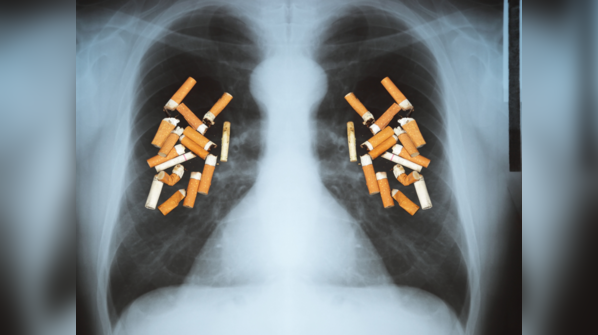
This is known to be the most common causative factor in lung cancer. All types and all forms of smoking are known to be associated with increased incidence of lung cancer. Majority of Lung cancer patients have a strong history of smoking (nearly 85%). Passive smoking is also a significant risk factor in lung cancer especially in nonsmokers.
There is evidence that nonsmokers married to smokers are at risk for lung cancer. There is an increased risk of Lung cancer from smoke inhaled at the workplace. Also, passive smoking during childhood increases chances of lung cancer once adulthood is reached.

Biomass fuel exposure
This is seen especially in ladies who prior to LPG usage had used “chullah”. In a study, people in the hilly states like Himachal Pradesh, who had a significant exposure to biomass fuel in poor ventilated houses for either cooking or heating had an increased likelihood for lung cancer.

Air Pollution
For the past few years the cold months in North India have been associated with increased smog and PM 2.5 levels have been found to be hazardously high causing several respiratory tract ailments including several people complaining of shortness of breath, bouts of cough and throat irritation. Doctors have pointed out several respiratory illnesses including asthma and COPD getting worse during this period. One used to wonder whether this pollution could have caused an increase in Lung cancer incidence. There were theories linking lung cancer and pollution, but now there is evidence that vehicle exhausts and other Fossil fuel pollution causes certain changes in Lung cells which are carcinogenic.
This research was done at Francis Crick Institute London in nearly half a million people in the UK , South Korea and Taiwan and it revealed that exposure to increasing concentrations of Particulate matter (PM) 2.5 microns in diameter was responsible for EGFR mutation and KRAS mutation which could lead to lung cancers.
Radon gas
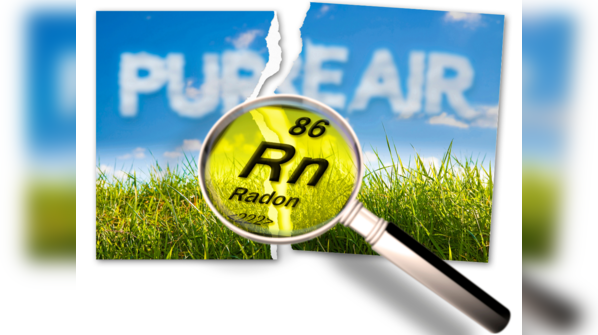
This is a naturally occurring gas that forms in rocks, soil, and water. It cannot be seen, tasted, or smelled. When radon gets into homes or buildings through cracks or holes, it can get trapped and built up in the air inside. People who live or work in these homes and buildings breathe in high radon levels. Over long periods of time, radon can cause lung cancer.
The takeaway
Hence it has been proven that lung cancer can be prevented if we are able to modulate these factors –Smoking on an individual level and reduction of atmospheric pollution on the community level. If we, as a larger community can reduce pollution levels, then we can then make an impact in checking the rise of this dreaded disease.
Also Read: Here's how obesity increases the risk of 18 types of cancer
Featured In lifestyle

