
- News
- lifestyle
- health-fitness
- fitness
- Is daily walking enough exercise for women over 35?
Trending
Is daily walking enough exercise for women over 35?

Begin in a heel-to-toe stance where the front foot's heel touches the back foot's toes, like standing on a narrow beam--and hold that narrow base for 30 seconds on each side. Ready for more? Step forward into a straight line walk, placing each heel precisely in front of the opposite toe for 10 steps, then turn and come back. Keep arms outstretched for counterbalance. This boosts postural equilibrium--and integrates your inner ear's balance system with ankle feedback. Remember to understand you body's limits before incorporating these exercises.
Why walking packs a punch
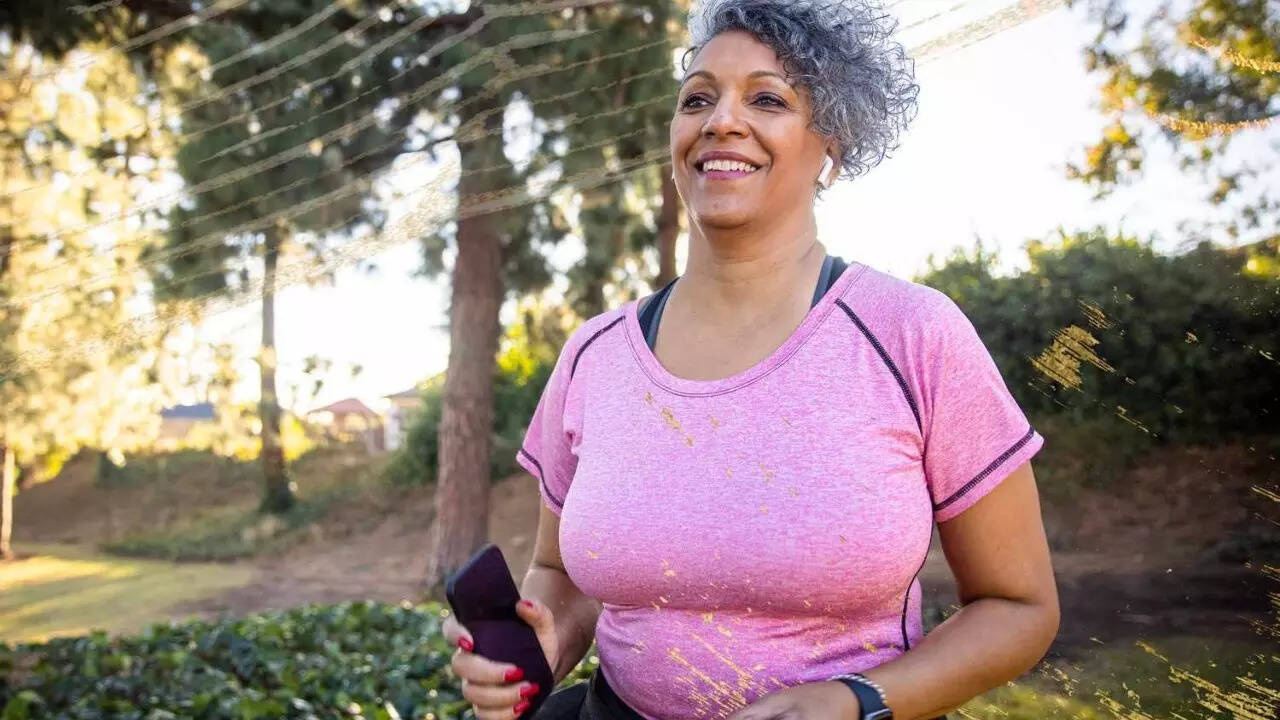
How much walking hits the mark?
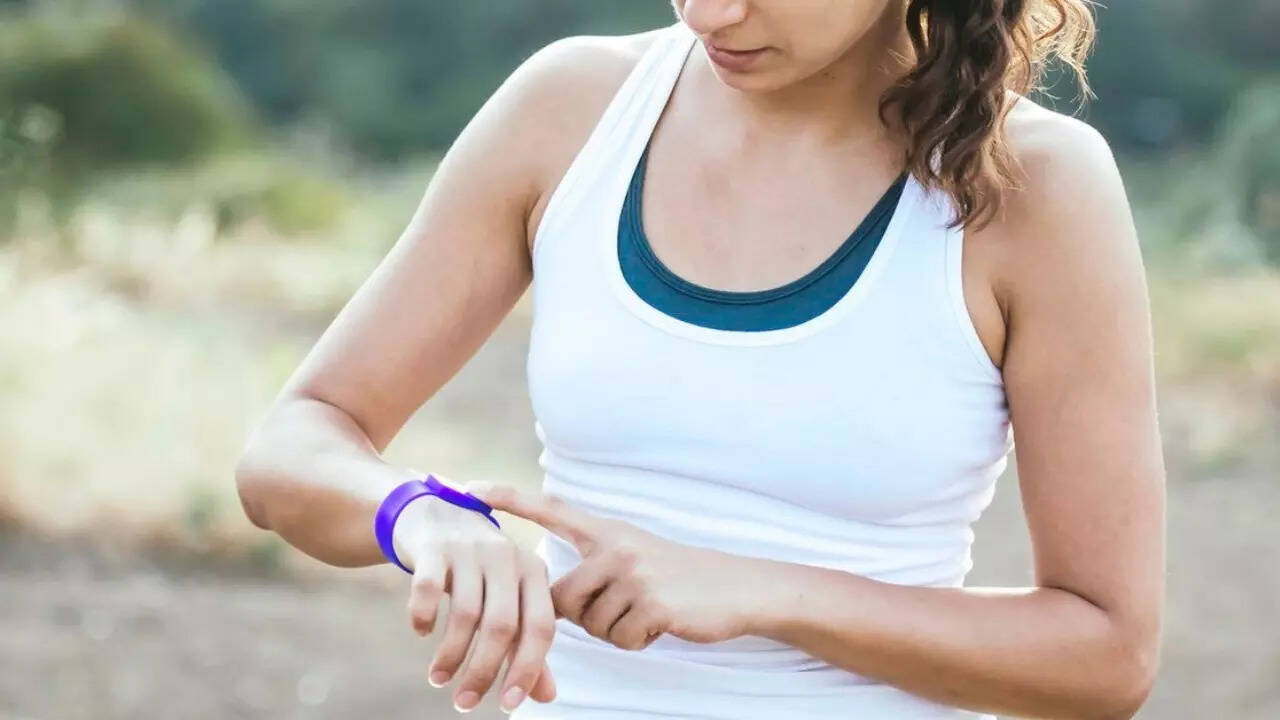
Is walking enough on its own?
Get the latest lifestyle updates on Times of India, along with EId ul fitr 2026 wishes, messages and quotes !

About the AuthorTOI Lifestyle Desk
End of Article
Follow Us On Social Media
Health +
Tired of too many ads?go ad free now
lifestyle videos
Featured In Lifestyle

Tired of too many ads?go ad free now



MORE FROM ETIMES
life & style
Hot on the Web
Dhurandhar 2 ReviewR MadhavanEidDhurandhar 2 Box Office CollectionRanveer Singh PropertiesDhurandhar 2 ReviewRajpal YadavShobhaa DeDhurandhar 2 OTTUstaad Bhagat Singh CollectionChuck Norris DeathNota FatehiAditya DharDhurandhar 2Dhurandhar2 CollectionEid ul Fitr 2026 Hindi ShayariPanchayat Season 5Eid 2026 DateVenus Enters AriesBaby NamesMovierulzDanish IqbalYouth Box Offiec CollectionAadu 3 Box Office CollectionAamir KhanEid-Ul-Fitr 2026 MessagesAishwarya Rai Parenting LessonsHoroscope TodayNavratri Nine ColoursEid 2026 Moon Sighting TimingsToday Gold Rate in ChennaiDelhi Weather TodayDelhi AQI TodayMumbai AQI TodayMaharashtra Public Holidays 2026Aravind SrinivasJensen HuangFastag PaymentSam AltmanWorld Largest Network BotnetsSkoda Kushaq Facelift
Trending Topics
Latest MoviesBollywood MoviesHollywood MoviesTamil Movies 2026Telugu Movies 2026Malayalam Movies 2026Kannada MoviesMarathi MoviesBengali Movies 2026Top Rated Movies 2026Best Hindi MoviesBest English MoviesBest Telugu MoviesBest Tamil MoviesBest Malayalam MoviesBest Kannada MoviesBest Bengali MoviesUpcoming Hindi MoviesBest Movies Of All TimeBest Hindi Movies of All TimeLatest English MoviesLatest Malayalam MoviesEnglish TV NewsTamil TV NewsTelugu TV NewsMalayalam TV NewsKannada TV NewsMovie ReviewsBhojpuri Cinema NewsGujarati Cinema News
Popular Categories
Viral NewsK Pop NewsWeb Series NewsAnime NewsUpcoming English MoviesUpcoming Tamil MoviesUpcoming Telugu MoviesUpcoming Malayalam MoviesUpcoming Kannada MoviesFashion TipsTravel NewsEntertainment NewsBollywood NewsTollywood NewsKollywood NewsMollywood NewsFood NewsLatest Hindi MoviesLatest Tamil MoviesParenting TipsHome RemediesWeight LossBeauty TipsParenting TipsHindi VideosHindi Video SongsBhojpuri Music VideosLatest Telugu MoviesBhojpuri Music VideoHindi TV News
Latest News
TOISA 2025: A grand roll call of excellence in Indian sports‘Security of Cyprus fundamental to UK’: Keir Starmer says Cyprus bases won't be used for Iran attacksWhen did switching jobs stop paying off for American workers?Quote of the day by Andrew Garfield's Spider-Man: 'With great power, there must also come great responsibility.''Not a serious title contender': Robin Uthappa flags SRH's bowling as major concernPower distribution companies in Delhi, Noida emerge top performers in government surveyGovt removes domestic fare caps as airline operating costs skyrocket; flying to cost moreWho is Dr. Alexandria Lightning? The woman rumored to be dating Mark DavisExclusive - Anupamaa leap: Spreha Chatterjee reveals her first reaction; says 'Mahi’s new journey felt empowering'Meet Anant Yardi: Indian-origin billionaire alumnus donates $8 million to IIT DelhiSunanda Sharma mesmerises Kolkata audience with an enchanting eveningWhat is Randy Arozarena's net worth in 2026? Breaking down his salary, earnings, and contract impactBank of Baroda pioneers UPI-based credit line for women SHGs'IPL 2026 is likely to be MS Dhoni's last': Former CSK star makes big predictionAre Joe Burrow and Olivia Ponton back together? Here’s what we knowSaquon Barkley’s viral move on Logan Paul and ankle brace comment fuels debate after Fanatics flag football practicePower minister pushes for shift towards greater electricity use as global fuel supplies remain under strainHazaribag MP gifts lathis to akharas ahead of Ram Navami