
7 mistakes that make dal lose its protein value
̌7 mistakes that make dal lose its protein value
Dal is one of the quiet nutritional heroes of the Indian kitchen. It appears simple, lentils simmered with turmeric, tempered with spices, ladled beside rice or roti, yet it carries remarkable nutritional strength. For millions of people, dal is the most reliable everyday source of plant protein, supplying essential amino acids along with fibre, iron, and slow-release energy. But the nutritional value of dal does not depend only on the lentils themselves. The way it is prepared in the kitchen matters more than many people realise. Certain common habits, often done out of convenience or long-standing routine, can quietly reduce how effectively the body absorbs the protein in lentils. Understanding these small mistakes can help preserve the full nutritional value of a bowl of dal. Scroll down to read more.
Not soaking lentils before cooking
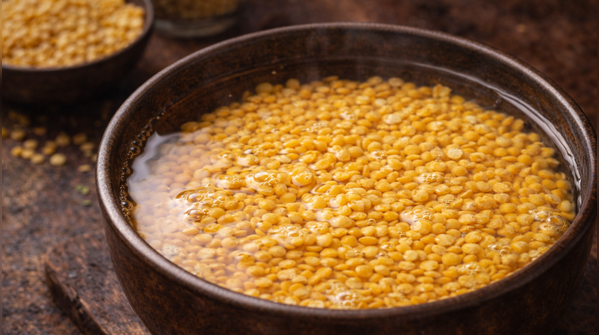
One of the simplest yet most frequently skipped steps in cooking dal is soaking. Many people rinse the lentils quickly and move straight to the pressure cooker. While this works for cooking, it is not ideal for nutrition.
Soaking also mirrors an older rhythm of cooking that relied on patience rather than speed. In traditional kitchens, lentils were often washed and left in water while other preparations unfolded, allowing time to do part of the work that heat would later finish.
Lentils naturally contain compounds called phytates. These substances can bind to nutrients and make them harder for the body to absorb. Soaking dal in water for a few hours begins to break down these compounds and improves digestibility. The result is not only softer lentils that cook faster, but also protein that becomes more bioavailable. Even soaking for two to three hours can help. For tougher dals such as chana dal or whole lentils, overnight soaking works even better. A bowl of dal that has been soaked before cooking is simply easier for the body to use.
Overcooking dal until it completely breaks down
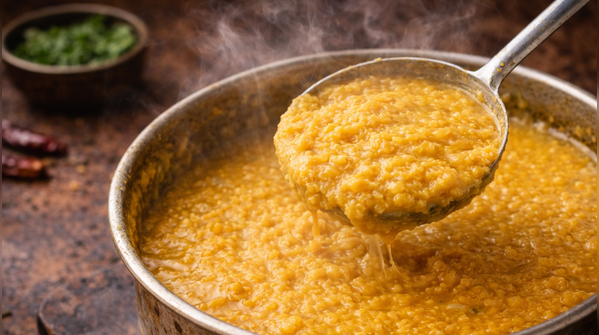
Dal is meant to be soft and comforting, but there is a point where softness becomes excess. Cooking lentils far beyond what is necessary can slowly affect their nutritional quality.
Protein is made up of delicate amino acid structures. Prolonged exposure to high heat, especially when lentils are boiled for long periods, can begin to degrade some of these amino acids. The dal may become extremely mushy and smooth, but some of its nutritional integrity is lost along the way. Pressure cooking already does the job efficiently. Most dals require only a few whistles to become perfectly tender. Once they reach that stage, extended cooking adds little benefit and can slowly diminish the nutrients they contain.
Adding baking soda to soften the lentils
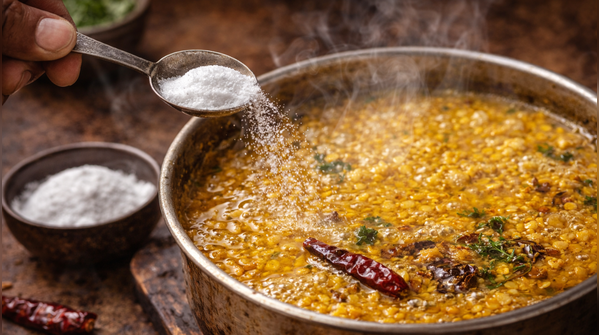
In some kitchens, a pinch of baking soda is added to dal to make it cook faster and soften more easily. While the trick works from a texture standpoint it can come at a nutritional cost.
Baking soda alters the pH of the cooking environment, making it more alkaline. This chemical shift can damage certain vitamins and affect the natural structure of proteins within the lentils. Over time, regularly using baking soda in dal preparation may reduce the nutritional benefits of the dish and even affect its natural flavour. Soaking lentils beforehand and cooking them properly is a far healthier way to achieve softness without interfering with their natural nutrient profile.
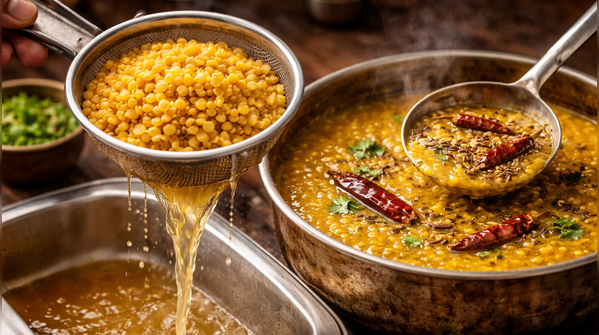
Draining away the cooking liquid
Another common mistake occurs when lentils are boiled separately and the cooking water is discarded before the dal is finished.
This habit often comes from a desire to speed up cooking or reduce foam, but it unintentionally removes some of the very elements that give dal its depth and nourishment. The liquid that forms during boiling is not waste; it carries flavour and nutrition.
When lentils cook, some of their nutrients dissolve into the surrounding liquid. This includes water-soluble vitamins and certain amino acids, if that cooking water is thrown away, a portion of the lentils’ nutritional value goes with it. Traditional dal recipes rarely make this mistake. The cooking liquid becomes part of the dish itself, forming the rich, slightly thick broth that carries flavour and nutrients alike. Keeping the cooking water ensures that more of the lentils’ protein and micronutrients remain in the final meal.
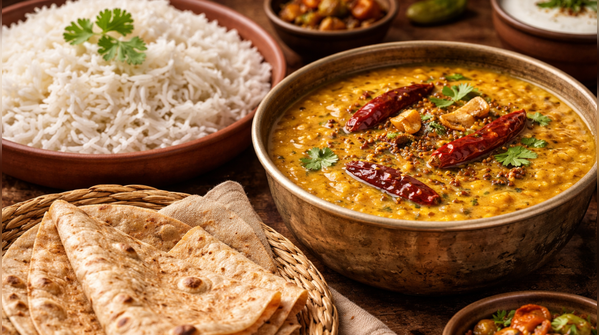
Eating dal without pairing it with grains
Dal contains an impressive amount of protein, but its amino acid profile is not perfectly balanced on its own. Lentils are relatively low in methionine, one of the essential amino acids the body needs.
This is precisely why Indian food traditions almost always serve dal with rice, roti, or other grains. Grains provide the amino acids that lentils lack, creating a complementary protein combination. When dal is eaten alone without grains, the body may not utilise its protein as efficiently. Pairing dal with rice, millets, or whole wheat roti transforms the meal into a more complete protein source. What looks like a simple cultural habit is actually a sophisticated nutritional pairing developed over generations.
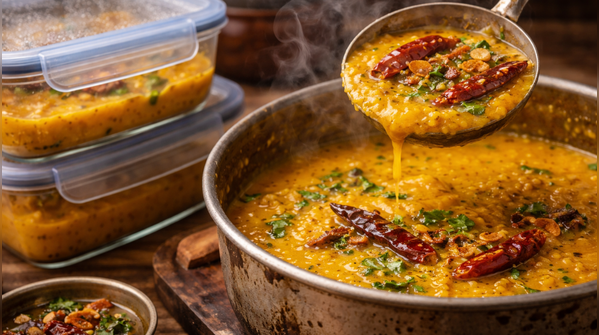
Reheating dal again and again
Dal often tastes richer the next day as the spices settle into the lentils and deepen the dish’s flavour. But repeatedly reheating the same pot over several days can slowly reduce its nutritional quality.
Each heating cycle breaks down certain amino acids and gradually alters the protein structure. While the changes may not be dramatic, nutrition experts recognise that repeated reheating over time can diminish the freshness and nutritional value of the dish. A better approach is to store dal in smaller portions and reheat only what will be eaten at that meal.
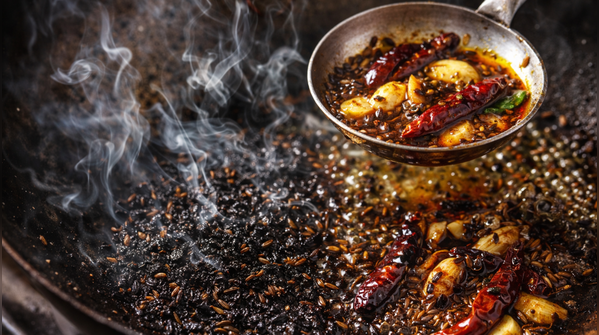
Burning the tempering spices
The tempering, or tadka, is what gives dal its irresistible aroma. Cumin seeds crackle in hot ghee, garlic releases its fragrance, and dried chillies deepen the flavour. However, when the oil becomes extremely hot and spices are fried until burnt, harmful compounds can form. Excessively scorched tempering can also compromise some of the nutrients in the dish.
Good tempering relies on careful timing. The spices should bloom in the oil and release their aroma not turn dark and bitter. A gentle tempering protects both the flavour and the nutritional integrity of the dal.
Featured In Food

MORE FROM ETIMES
life & style