
7 traditional Indian drinks that are reasonably good source of protein
7 traditional Indian drinks that are reasonably good source of protein
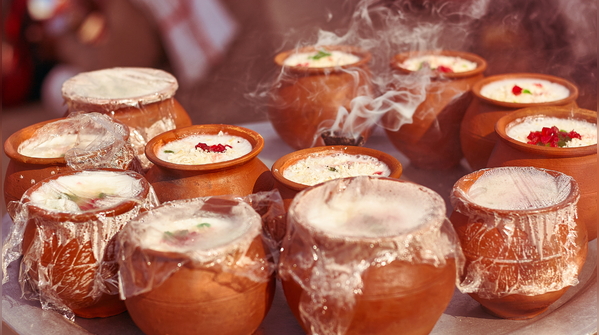
Protein is often associated with foods that sit on the plate, eggs, lentils, paneer, or meat. But in Indian kitchens, several everyday drinks quietly contribute to daily protein intake as well. Many of these beverages are consumed for taste, cooling relief, or digestion, yet nutritionally they add more than people realise. Protein plays a vital role in repairing tissues, maintaining muscle, and supporting immunity. On average, an adult needs about 0.8 grams of protein per kilogram of body weight, which works out to roughly 48–50 grams a day for a 60-kilogram person. Here are seven traditional Indian drinks that also help add protein to the day’s intake.
Lassi (yogurt-based drink)
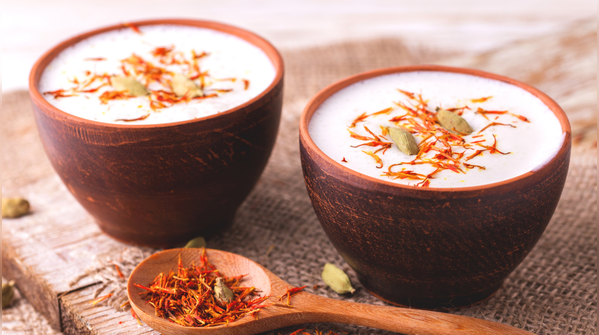
A 200 ml glass of homemade lassi made from plain curd usually provides around 6 to 8 grams of protein. Because yogurt is essentially fermented milk, its proteins become slightly more concentrated when the curd is thick and well set. Whether the lassi is sweet or salted does not significantly change the protein content. However, small additions such as a spoon of nut butter or a few crushed roasted nuts can increase it further. In practical terms, one glass of lassi can supply about 12 to 16 percent of the day’s protein requirement, assuming a daily target of roughly 50 grams.
Chaas or buttermilk
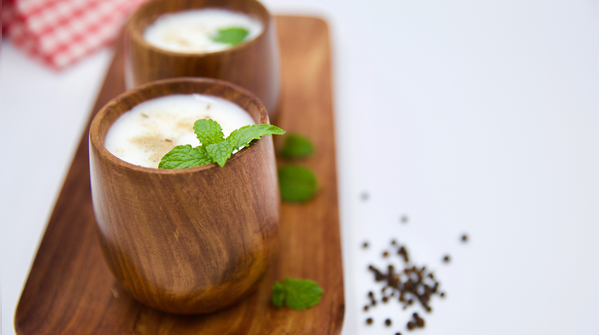
A 200 ml glass of churned chaas made from diluted curd provides about 3 to 5 grams of protein. Traditional chaas is lighter than lassi because it has more water than curd, but it still retains a portion of the whey and casein from the yogurt. If you use thicker curd or add a spoon of powdered milk, the protein content rises. One serving covers around 6 to 10 percent of daily needs.
Badam milk (almond milk made traditionally with milk)
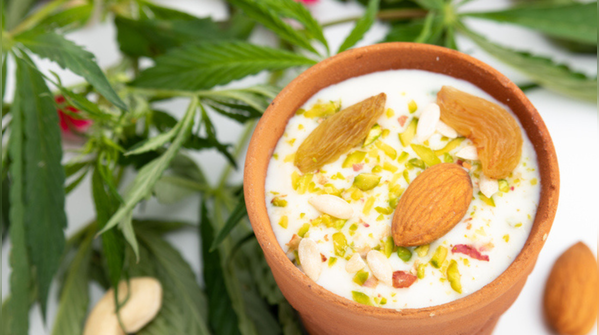
When prepared in the traditional Indian way, with whole milk and 8 to 10 soaked almonds ground into the mixture, a 200 ml cup of badam milk contains about 5 to 7 grams of protein. The milk supplies the bulk of that protein while the almonds add plant protein and healthy fats.
Beyond protein, badam milk also offers a gentle nutritional boost through vitamin E, calcium and beneficial fats that support satiety and steady energy. The warmth of milk combined with finely ground almonds creates a drink that is both comforting and sustaining, making it a popular choice in many households.
Using toned milk or more nuts will change the math. Expect one serving to account for roughly 10 to 14 percent of daily protein.
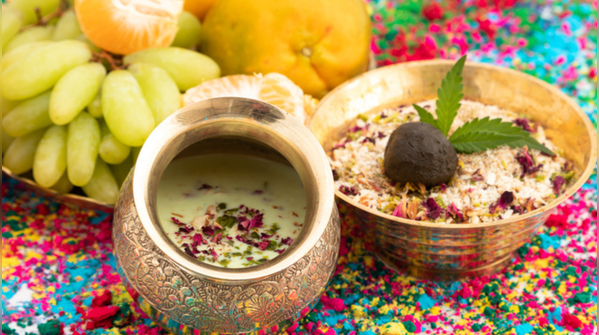
Thandai
Thandai mixes milk with a paste of almonds, pistachios, melon seeds and poppy seeds. A 200 ml serving made with full milk and a modest nut base delivers about 6 to 9 grams of protein. The exact number depends on how generous the nut and seed paste is. In festival or shop versions the nut load can be heavy, which raises the protein. One glass supplies about 12 to 18 percent of a 50 gram daily target.
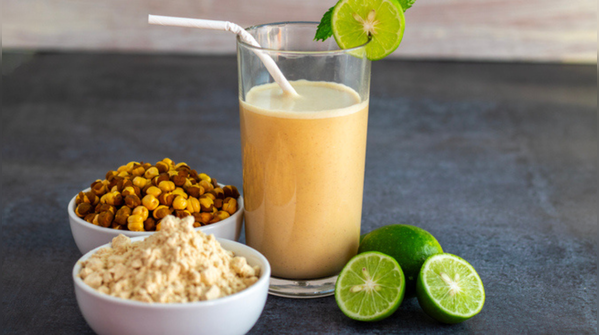
Sattu sharbat
Sattu, roasted gram flour, is a regional staple in eastern and northern India. Mixed into water or buttermilk as a sharbat, two tablespoons of sattu in 200 ml of liquid yield roughly 7 to 9 grams of protein.
For generations, it has travelled easily between kitchen and field. Farmers, labourers and travellers often relied on it as a quick, filling drink that could be prepared instantly without fuel or elaborate ingredients. That quiet practicality helped turn sattu into one of the subcontinent’s most enduring everyday foods.
Because it requires no cooking and blends easily into liquids, sattu has long been valued as a quick source of nourishment during hot weather. The drink is both cooling and sustaining, making it a practical option for midday refreshment.
Sattu is largely made from chickpeas or mixed pulses, so it is unusually protein-dense for a cool, refreshing drink. A single serving covers approximately 14 to 18 percent of daily protein needs.
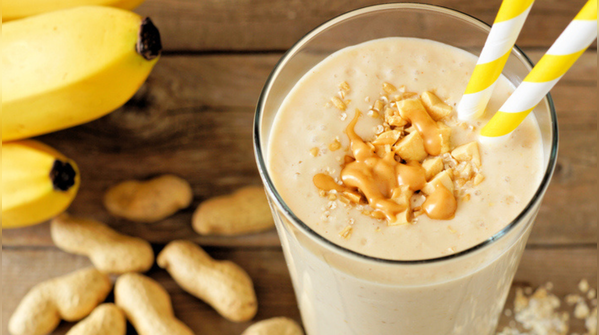
Peanut or groundnut milkshake made the traditional way
A homemade groundnut shake that blends 30 grams of roasted peanuts with 200 ml of milk provides around 8 to 10 grams of protein. Peanuts are rich in plant protein and the milk contributes animal protein, so this combination is particularly effective.
Because peanuts also contain healthy fats, magnesium and vitamin E, the drink offers more than just protein. Blending them with milk creates a creamy, filling shake that can support muscle recovery, provide steady energy and help curb mid-day hunger, especially when consumed as a quick breakfast or post-exercise drink.
Sweeten lightly and strain if you prefer. One serving meets about 16 to 20 percent of the day’s requirement.
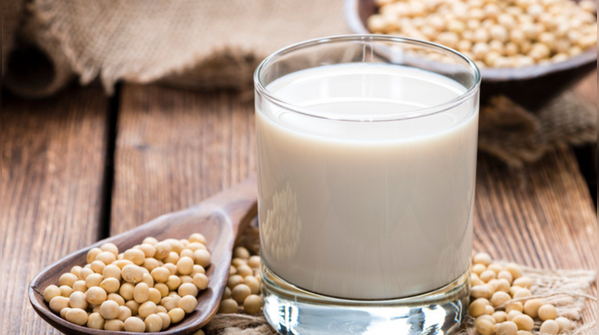
Soy milk or paani-soya preparations
Soy preparations are less old-fashioned than curd and buttermilk, but in many Indian kitchens soy milk has been popular for decades. A 200 ml serving of soy milk supplies about 6 to 8 grams of protein when prepared from whole soybeans or from quality concentrate. Fermented soy drinks and soy blended with jaggery or spices are traditional in pockets of the country. Each serving provides roughly 12 to 16 percent of the target daily intake.
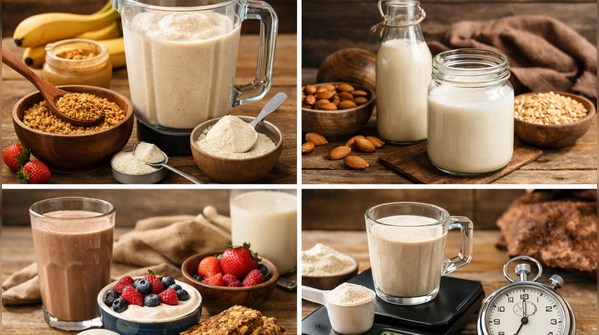
Quick tips to get more protein from drinks
Use whole milk instead of water where appropriate.
Add a spoon of powdered milk, roasted soy granules, or nut paste when you blend.
Prefer homemade over factory-thinned variants, because store-bought almond or other plant milks are often diluted and low in protein.
If you need a practical rule, aim to get at least 10 to 15 grams of protein from liquids and snacks across the day, and the rest from meals.
Featured In Food

MORE FROM ETIMES
life & style