
5 drinks that support liver detox and digestion
5 drinks that support liver detox and digestion
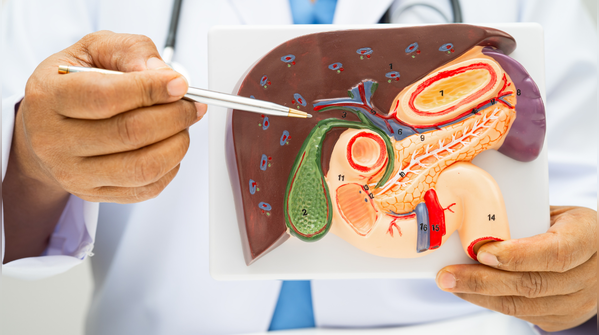
When excess fat starts building up inside the liver cells, it doesn’t create drama overnight. There are no obvious early warning signs, just quiet, nagging signs like constant bloating, heaviness after simple meals, low energy, and creeping inches around the waist. This condition, often picked up only on routine ultrasound or blood tests, is what doctors call fatty liver. Left unchecked, it can progress to inflammation and long-term liver damage, but the good news is that in many cases, it is reversible with timely lifestyle changes. Alongside medical advice, simple everyday drinks can support the liver’s natural detox work and ease digestion. Here are five soothing options that fit easily into an Indian kitchen.
Warm Jeera-Saunf water
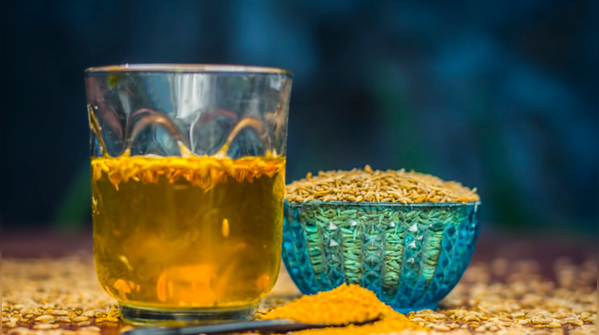
Cumin (jeera) and fennel (saunf) are the classic desi digestion duo. Jeera helps boost bile flow so the liver can break down fats more efficiently, while saunf soothes gas, bloating, and that heavy, post-meal discomfort. To make it, ½ teaspoon jeera and ½ teaspoon saunf. Lightly crush them and boil in 1-1½ cups of water for 5-7 minutes. Strain and sip warm, preferably in the morning or after a heavy meal.
This drink doesn’t “cure” fatty liver, but it supports the liver’s fat-handling work and keeps digestion moving. It’s especially helpful if you tend to feel gassy, puffy, or uncomfortable after oily food.
Lemon water with a tiny pinch of haldi
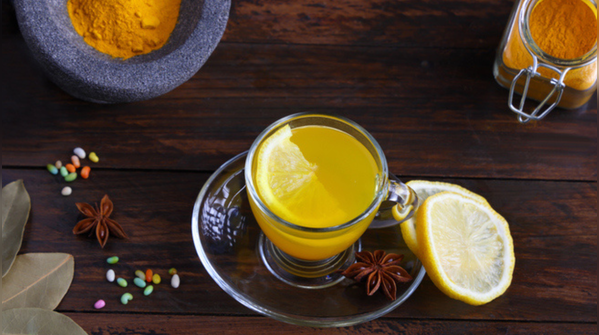
Plain nimbu paani, without sugar and salt, can be a gentle morning reset. Lemon provides vitamin C and supports the body’s natural detox pathways, while warm water can encourage smoother bowel movements. A tiny pinch of haldi (turmeric) adds anti-inflammatory support, which is useful because fatty liver is closely linked with low-grade inflammation in the body. To make it, take Lukewarm water in a glass, juice of half a lemon, and just a pinch of haldi (not more). Mix well and drink slowly on an empty stomach in the morning.
Skip this if you have severe acidity, ulcers, or have been advised to avoid citrus. And don’t go overboard, more lemon and more turmeric are not more beneficial; it can irritate the gut.
Unsweetened green tea
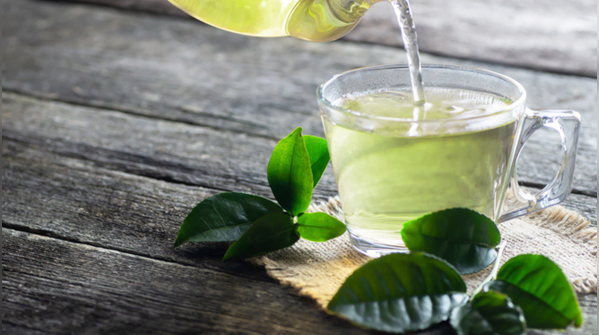
Green tea is often hyped, but in the fatty liver digestion combo, it can genuinely help when used wisely. It contains catechins, antioxidants that may support liver function and help reduce fat accumulation over time when paired with a healthy lifestyle. It also lightly boosts metabolism and can cut that post-meal heaviness if you’re used to very oily or fried foods. To make it, take 1 green tea bag or 1 teaspoon loose green tea leaves. Steep in hot (not boiling) water for 2–3 minutes, then discard the bag/leaves. Drink plain, no sugar, no honey if your liver is already under stress and you’re watching calories.
Limit yourself to 1-2 cups a day. Too much green tea, especially on an empty stomach, can trigger acidity or discomfort in some people.
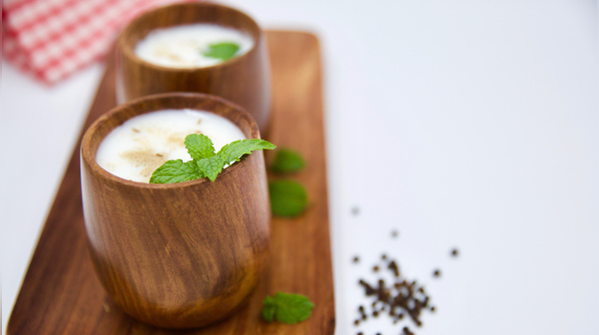
Buttermilk with ajwain and pudina
Thin, homemade chaas is a classic for a reason. It cools the system, supports gut bacteria, and eases digestion after spicy or heavy meals. When you add ajwain (carom seeds) and pudina (mint), it becomes a gentle bloat-buster too. A healthy gut means less overall metabolic stress on the body, including the liver. To make it, take 3-4 tablespoons curd, whisk with 1 cup water till thin. Add a pinch of roasted ajwain powder, a pinch of black salt (if allowed), and a few crushed mint leaves. Stir well and drink after meals.
Go for low-fat curd if you’re dealing with fatty liver and high cholesterol. Those who are lactose intolerant or advised to avoid dairy should skip or opt for a lactose-free version.
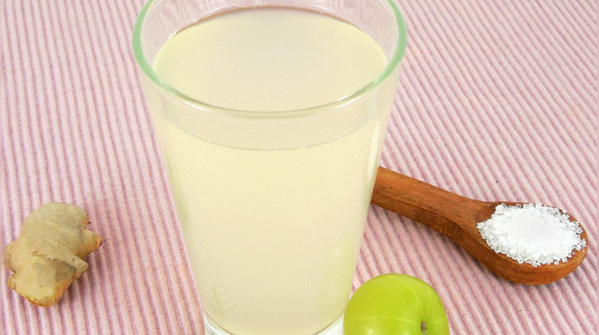
Amla–ginger infused water
Amla (Indian gooseberry) is rich in vitamin C and antioxidants that support liver cells and overall immunity. Ginger helps with digestion, nausea, and sluggish metabolism. Together, they create a simple, sipper-style drink that works well for people who struggle with heavy meals and slow digestion. To make it, take 1 small piece of fresh amla (or 1–2 teaspoons of amla juice) and ½ inch ginger. Crush or lightly muddle, then add to 2 glasses of water. Let it infuse for 30–60 minutes, then sip through the day. Strain if you prefer.
If you have acidity, start with very little ginger and see how your body responds. Avoid if your doctor has restricted sour foods or amla for any specific condition.
These drinks can support a stressed liver and improve digestion but they cannot reverse fatty liver on their own. Real change still depends on:
•Cutting down on sugary drinks, refined carbs and deep-fried foods.
•Managing weight and waist size.
•Staying active most days of the week.
•Sleeping on time and managing stress.
Featured In Food

MORE FROM ETIMES
life & style