
5 ultimate benefits of using a neem wood comb on your hair
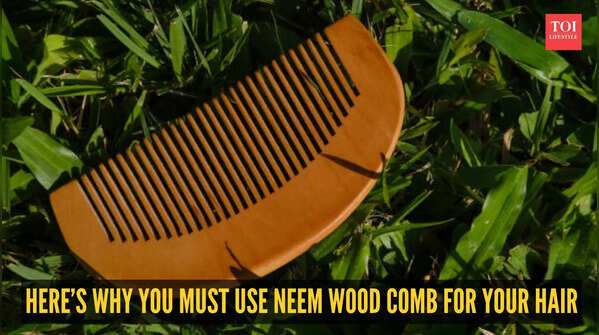
5 surprise benefits of using neem wood comb for hair
Most of us grew up using whatever comb was lying around at home. Usually a plastic one with missing teeth, slightly bent from the middle, and somehow always disappearing exactly when you needed it. Nobody really thought too much about it. A comb was just a comb.
But recently, neem wood combs have quietly started making their way back into people’s haircare routines. And honestly, it’s not just because they look aesthetic sitting on a bathroom shelf.
For years, Indian households have trusted neem for pretty much everything - skin problems, scalp care, dandruff, even tiny cuts and infections. So it makes sense that neem wood combs are now becoming popular again, especially among people trying to move toward gentler, more natural haircare habits.
And no, this isn’t one of those miracle beauty trends the internet exaggerates for views. A neem wood comb won’t magically give you waist-length hair overnight. But it can make a noticeable difference to your scalp and overall hair health over time.
Here’s why so many people are switching.
Your Hair Breaks Less
This is probably the first thing you notice.
Plastic combs often pull at knots aggressively, especially if your hair is dry, frizzy, or slightly damaged. They also create static, which makes hair puff up even more - something most of us already struggle with during humid Indian summers.
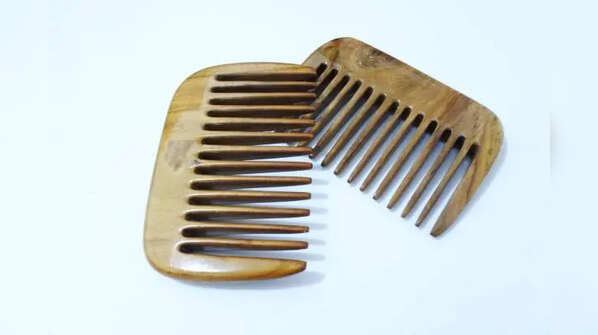
Neem wood combs feel softer while detangling. The teeth glide through the hair more smoothly instead of tugging at every knot. That means fewer strands stuck in the comb afterward and less breakage overall.
If you have curly hair, chemically treated hair, or hair that tangles easily after washing, the difference feels surprisingly noticeable.
It Feels Better On The Scalp
There’s something oddly calming about using a wooden comb.
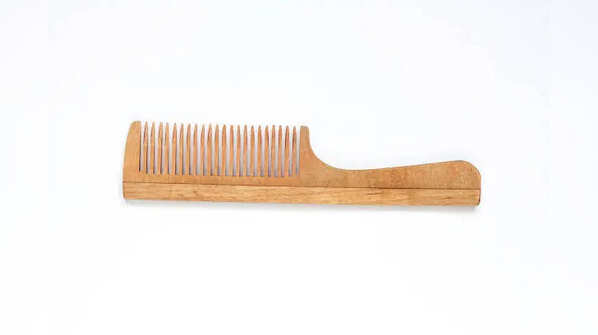
Unlike sharp plastic edges that sometimes scratch the scalp without you even realizing it, neem wood combs feel much gentler. The rounded wooden teeth lightly massage the scalp while combing, which honestly feels relaxing after a long day.
And with how stressful life has become lately, even tiny self-care moments matter.
A lot of people don’t realize how much tension they carry in their scalp area. Between work stress, poor sleep, pollution, heat, and constant screen time, the body feels exhausted all the time. Slowly combing your hair for a few minutes can genuinely feel therapeutic.
It’s a small thing, but somehow it helps you slow down a bit.
Neem Naturally Helps With Scalp Hygiene
This is where neem itself comes into the picture.
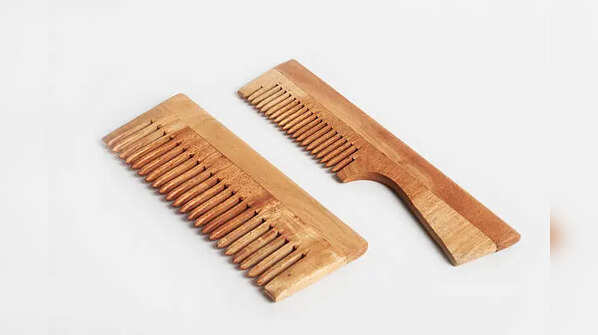
Neem has natural antibacterial and antifungal properties, which is one of the reasons it has been used in Ayurveda forever. That’s also why neem shampoos and neem oils are still so popular for dandruff-prone scalps.
Now obviously, a neem wood comb alone isn’t going to “cure” scalp issues overnight. But regular use may help keep the scalp feeling cleaner and calmer, especially if you deal with itchiness or oil buildup.
Considering how much sweat, dust, and pollution our scalp goes through daily — especially in Indian cities — every little bit helps.
Also, wooden combs generally don’t attract as much grime and static compared to plastic ones.
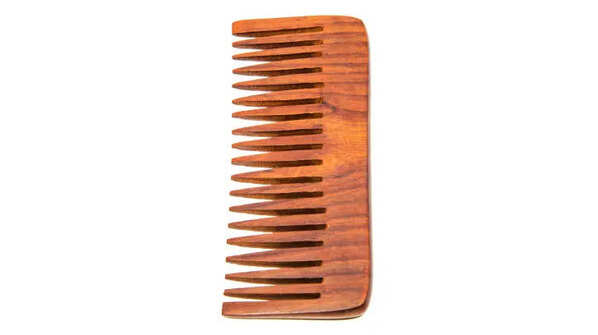
Neem Naturally Helps With Scalp Hygiene
This is where neem itself comes into the picture.
Neem has natural antibacterial and antifungal properties, which is one of the reasons it has been used in Ayurveda forever. That’s also why neem shampoos and neem oils are still so popular for dandruff-prone scalps.
Now obviously, a neem wood comb alone isn’t going to “cure” scalp issues overnight. But regular use may help keep the scalp feeling cleaner and calmer, especially if you deal with itchiness or oil buildup.
Considering how much sweat, dust, and pollution our scalp goes through daily — especially in Indian cities — every little bit helps.
Also, wooden combs generally don’t attract as much grime and static compared to plastic ones.
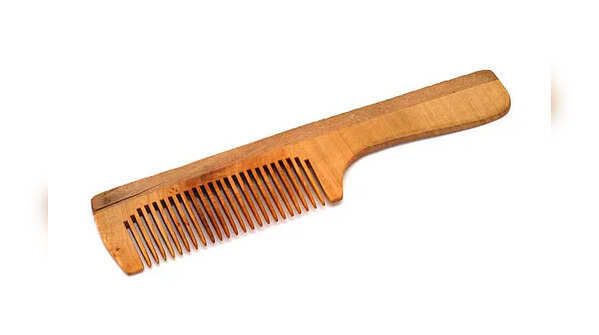
Helps Spread Natural Oils Through The Hair
One reason hair often looks dry at the ends but greasy near the roots is because the scalp’s natural oils don’t spread evenly.
A neem wood comb helps with that.
When you comb from the roots down to the lengths, it distributes those natural oils across the hair much better. This gives the hair a softer, healthier shine without making it look oily.
It also works really well if you oil your hair regularly before washing. Whether you use coconut oil, almond oil, bhringraj oil, or even simple mustard oil like our mothers did, a wooden comb helps spread it more evenly through the strands.
The result? Hair that looks smoother and less rough over time.
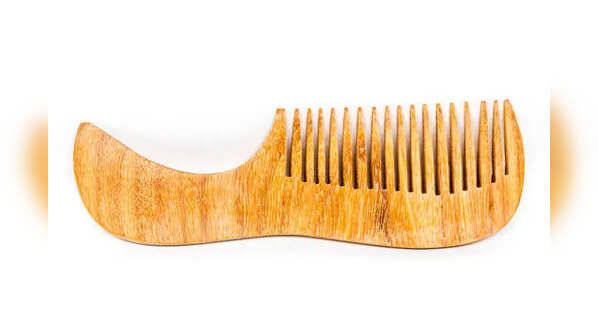
5. It Lasts Longer And Feels More Sustainable
Honestly, plastic combs barely survive.
They crack, bend, lose teeth, or snap in half after a few months. Neem wood combs, on the other hand, usually last for years if you take care of them properly.
And with more people trying to cut down on unnecessary plastic use, switching to small everyday items made from natural materials just feels like a better choice overall.
But beyond sustainability, there’s also something comforting about using simple things that don’t feel overly manufactured. A wooden comb feels old-school in the nicest possible way.
Maybe that’s why so many traditional Indian beauty practices are suddenly making a comeback.
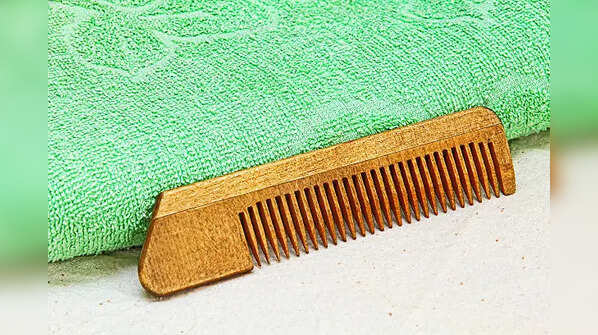
So, Is It Actually Worth Switching?
Honestly? Yes.
Not because it’s trendy. Not because influencers are suddenly obsessed with “ancient Indian beauty rituals.” But because it genuinely feels gentler and healthier for the hair in the long run.
A neem wood comb won’t completely transform your hair overnight. Good hair still depends on sleep, nutrition, stress levels, hormones, and proper care overall.
But as small changes go, this one is pretty easy — and surprisingly effective.
Sometimes our grandmothers really did know best.
Featured In lifestyle

MORE FROM ETIMES
life & style