
- News
- Health News
- What really happens when you drink Beetroot juice every day for a week
What really happens when you drink Beetroot juice every day for a week
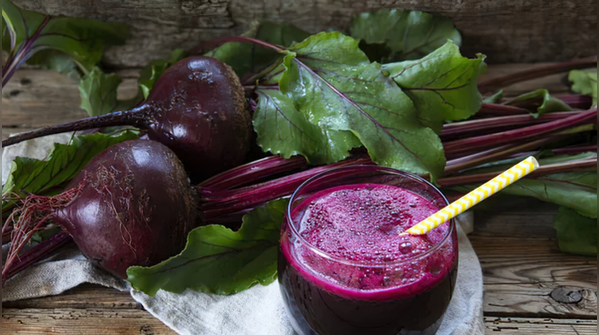
7 days of Beetroot juice
Beetroot juice doesn’t promise instant transformation, but within a week, the body begins to respond in subtle but measurable ways. From improved blood flow to better stamina, this deep red drink has moved from kitchen staple to clinical interest. The question is simple: what really changes when it becomes a daily habit for seven days?
As Charu Dua, Clinical Nutritionist at Amrita Hospital, Faridabad, explains:
“Beetroot juice… has been steadily gaining attention for its role in improving stamina, heart health and overall wellness. But what does science actually say about drinking it every day for a week, without all the hype?”
Here’s a look at what unfolds inside the body.

Day 1-2: Blood vessels begin to relax
The first noticeable shift happens in the circulatory system. Beetroot is rich in dietary nitrates. Once consumed, these convert into nitric oxide, a compound that helps blood vessels widen.
This widening improves blood flow almost immediately. Within a couple of days, some people may notice slightly lower blood pressure or a feeling of warmth and lightness during movement.
A clinical study published in the BMC Nutrition Journal found that regular intake of beetroot juice reduced systolic blood pressure by 5-10 mmHg within a week.
That drop may sound small, but in medical terms, it is meaningful.
Day 3-4: Stamina starts to shift
By midweek, the effect moves beyond the heart and into the muscles. Improved blood flow means better oxygen delivery. Muscles begin to use oxygen more efficiently, which delays fatigue.
Charu Dua notes, “Nitric oxide improves oxygen delivery to muscles which helps delay fatigue… within a few days there were measurable improvements in endurance.”
A study in the Nutritients showed that people drinking beetroot juice could exercise longer and at higher intensity.
This doesn’t turn someone into an athlete overnight, but it can make everyday activity feel easier.
Day 5: Inflammation begins to ease
Around the fifth day, changes start appearing at a deeper level. Beetroot contains betalains, natural pigments with strong antioxidant properties.
These compounds help reduce oxidative stress, which is often linked to chronic inflammation.
A study published in ResearchGate found that regular beetroot consumption lowered C-reactive protein (CRP), a key marker of inflammation.
Lower inflammation doesn’t always feel dramatic. But it quietly supports heart health, joint comfort, and long-term metabolic balance.
Day 6: Liver gets a gentle boost
By the sixth day, the liver begins to show subtle improvements. Beetroot compounds support detox pathways by increasing glutathione, a powerful antioxidant that helps the body process toxins.
This doesn’t mean beetroot “detoxes” the body overnight. Instead, it supports the liver’s natural ability to do its job more efficiently.
Day 7: For brain and gut
By the end of the week, two more systems begin to benefit: the brain and the gut.
Improved blood flow extends to the brain as well. A study in NIH found increased blood flow to regions linked with decision-making and memory.
At the same time, beetroot’s fiber supports beneficial gut bacteria like lactobacillus and bifidobacterium.
These changes may show up as better digestion or a slight improvement in mental clarity.
So, what does one week really do?
Seven days is enough to spark change, but not enough to transform everything. Blood pressure may dip, stamina may improve, and inflammation may begin to settle. The body starts to respond, not reset.
A word of caution
Beetroot juice is generally safe, but it isn’t for everyone.
People prone to kidney stones should be cautious due to its oxalate content. Those on blood pressure medication may experience an additive effect. A quick medical check is always a wise step before making it a daily habit.
Medical experts consulted
This article includes expert inputs shared with TOI Health by:
Charu Dua, Clinical Nutritionist, Amrita Hospital, Faridabad.
Inputs were used to explain how drinking beetroot juice daily for a week can affect the body, and why it’s important to understand its impact and consult a doctor before making it a regular habit.
Featured In Health

