
- News
- etimes
- animals-pets
- From human-sized birds to pebble ‘proposals’: 6 facts that will change how you see penguins
From human-sized birds to pebble ‘proposals’: 6 facts that will change how you see penguins
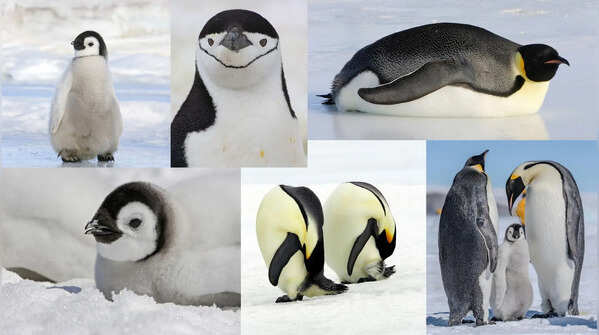
6 facts that will change how you see penguins
When we think of penguins, we usually imagine a clumsy, flightless bird braving the Antarctic chill in a permanent state of formal dress. They are the darlings of the animal kingdom, often relegated to “cute” status in our collective imagination. But if you strip away the Hollywood charm, you’re left with a creature that is – frankly – one of the most bizarre and resilient biological machines on the planet.
From prehistoric giants that could look a human in the eye to a social life governed by “stone currency,” penguins are far more than just a waddle. Here are six facts that show the gritty, fascinating reality of life in the tuxedo.
Images: Canva (for representative purposes only)
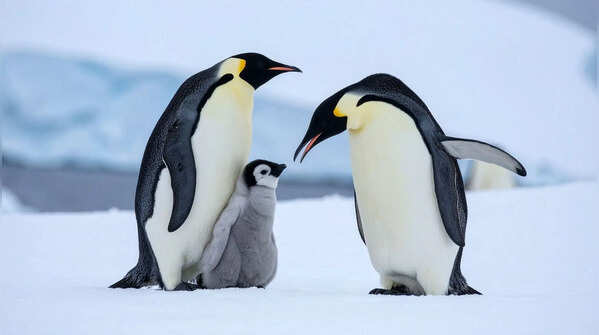
Their ancestors were human-sized
We tend to think of the Emperor Penguin as the “big” one, but they are tiny compared to their ancestors. Millions of years ago, the Earth was home to “colossus” penguins. Fossils found in New Zealand revealed a species, Kumimanu biceae, that stood nearly 5 feet 11 inches tall and weighed over 100 kg.
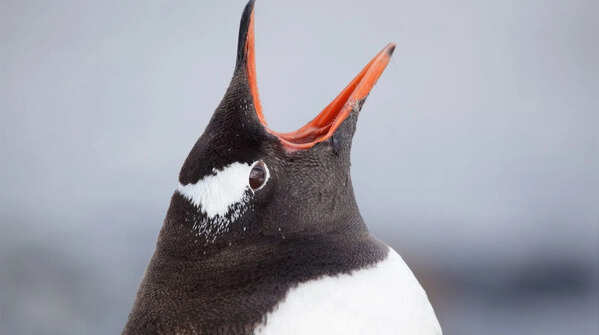
The internal “salt sneeze”
How does a bird survive in the middle of the ocean with no fresh water? They don't find a spring; they manufacture their own. Penguins have a specialized supraorbital gland located just above their eyes that acts as a natural desalination plant. It filters salt directly out of their blood. The byproduct? A concentrated briny liquid that the penguin literally sneezes out of its beak to keep its internal systems from failing.
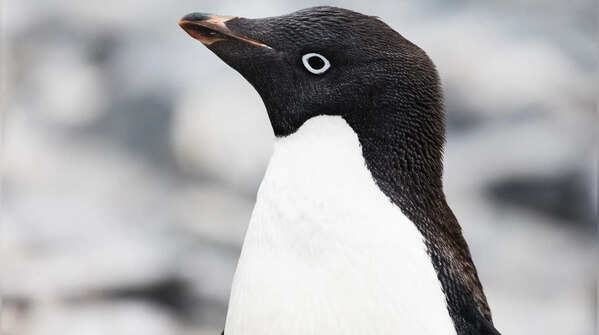
That “clumsy” waddle is pure physics
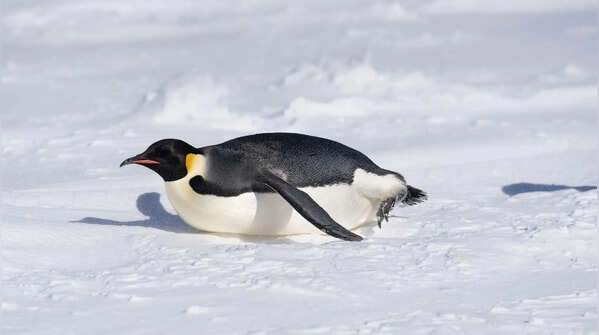
It looks hilarious, but the penguin waddle is actually a masterclass in energy efficiency. Walking on short legs is difficult, so penguins use a side-to-side “pendulum” motion. This sway allows them to store energy at the end of each step, which then helps propel them into the next one. For a bird with high body fat and short limbs, it’s the most fuel-efficient way to travel across the ice without burning through vital calories.
A social economy built on pebbles
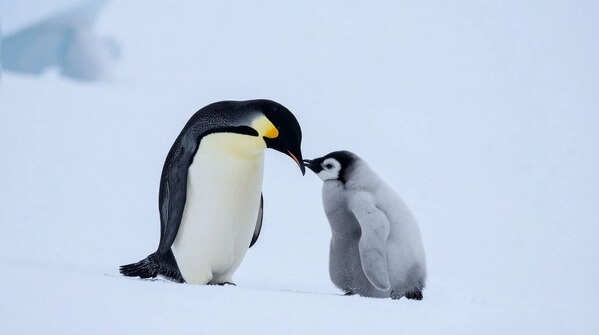
In the world of Gentoo and Adélie penguins, a smooth stone is more than just a rock – it’s a proposal. Nesting space on the ice is limited, and pebbles are the only way to keep eggs off the freezing ground. This has created a “pebble economy” where males will scour the beach for the most aesthetic stone to present to a female. It also leads to a high “crime rate” in the colony, as bachelors will frequently wait for a couple to look away before stealing a prime stone from their nest.
Biological “stealth mode”
A penguin’s tuxedo isn't for fashion; it’s a high-stakes survival tactic called countershading. If a predator like a leopard seal looks up from the dark water, the penguin's white belly blends with the bright, sunlit surface. If a bird of prey looks down from above, the penguin's black back disappears into the dark ocean depths. They are essentially invisible from both directions, depending on where the danger is coming from.
They don't all live in the cold
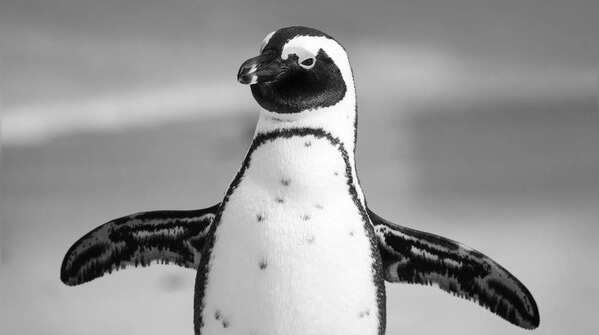
While we associate them with icebergs, the Galapagos penguin lives right near the equator. These birds have adapted to tropical heat by panting like dogs to stay cool and spending their days in the cold Cromwell Current. It’s a stark reminder that penguins aren't just “snow birds” – they are masters of the ocean, capable of carving out a life from the frozen south to the tropical sun.
Featured In etimes

