
- News
- Health News
- What happens to your heart after a stressful day? Why it doesn’t fully rest, and how to help it recover
What happens to your heart after a stressful day? Why it doesn’t fully rest, and how to help it recover

When your heart won’t unwind
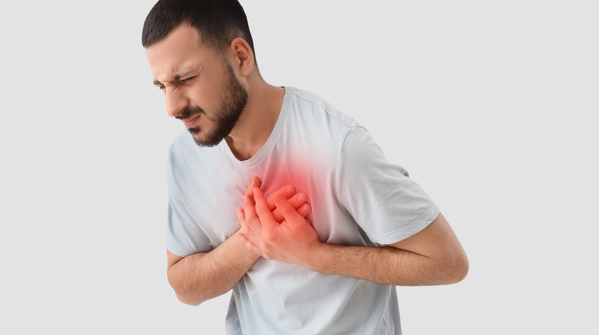
The day may end, but the body does not switch off on command. After a stressful day, many people assume that sitting down, scrolling a phone, or lying in bed counts as recovery. But inside the chest, the heart is often still working through the aftershocks. What feels like rest on the outside can be a delayed, uneven slowing down on the inside. And that gap matters more than most people realise.
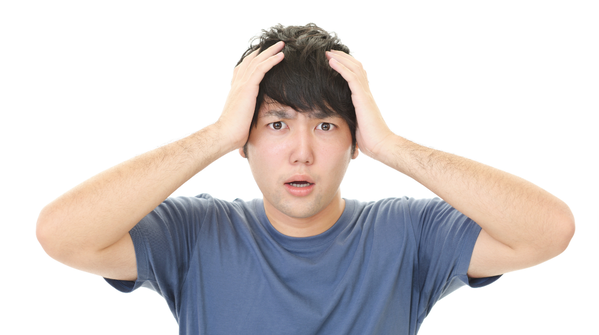
The heart doesn’t forget your day
Stress leaves a physical imprint. When the body faces pressure, it activates a system designed for survival. Heart rate rises, blood pressure climbs, and stress hormones like cortisol and adrenaline surge.
When the stress ends, the body is supposed to reset. But it does not always happen quickly. In fact, research from the National Institutes of Health (https://pmc.ncbi.nlm.nih.gov/articles/PMC7603890/) shows that prolonged stress can keep the cardiovascular system in a semi-alert state long after the trigger is gone.
This means the heart continues to beat slightly faster and harder, even when the person believes they are resting.
What “normal recovery” should look like
In an ideal situation, the body shifts from “fight or flight” to “rest and repair” mode within minutes to hours. During this phase:
Heart rate slows down
Blood pressure drops
Stress hormones decline
Blood vessels relax
This process is controlled by the parasympathetic nervous system, often called the body’s natural brake.
But after a heavy emotional or mental load, that brake can feel delayed or weak. The result is a body that looks calm but is still internally activated.
When stress lingers into the night
Evening is when the heart should experience its deepest rest. But unresolved stress changes that pattern.
Sleep studies from NIH show that chronic stress can disrupt heart rate variability and prevent proper overnight recovery.
Instead of dipping, heart rate and blood pressure may stay slightly elevated. Over time, this “non-dipping” pattern has been linked to higher risks of heart disease.
A simple question explains this clearly: if the body never fully powers down, when does it repair? The answer is, it doesn’t, at least not completely.

The invisible strain on the heart
This extended stress response may feel subtle, but it builds quietly. The heart muscle works harder than needed, and blood vessels remain slightly constricted.
Over weeks and months, this can lead to:
Persistent high blood pressure
Increased inflammation
Reduced elasticity of blood vessels
Dr Shyam Sasidharan explains it plainly, “Stress is often an under recognised major cardiac risk factors. The physiological changes of chronic stress can result in a myriad of adverse cardiovascular effects leading to heart disease. Sudden severe stress can also result in grave medical conditions resulting in cardiac events. During rest, your heart typically should experience lower blood pressures, lower heart rates and overall low levels of stress hormones. However following a very stressful day this normalisation may take much longer. Adequate rest and proper sleep on a regular basis goes a long way in preserving heart health and preventing cardiac events.”
His words highlight a key point: the delay in recovery is not harmless. It is part of the risk.

Why modern life makes it worse
Today’s stress rarely comes in short bursts. It stretches across emails, deadlines, traffic, and constant notifications.
Unlike physical danger, this kind of stress has no clear end. So the heart never receives a strong signal to relax.
Even passive activities like watching videos or scrolling through social media can keep the brain slightly stimulated. That keeps the stress loop running longer than expected.
How it affects the person beyond the heart
The impact is not limited to cardiovascular health. When the heart struggles to settle, the entire body feels it.
People may notice:
A sense of restlessness at night
Shallow or disturbed sleep
Morning fatigue despite “resting”
Occasional palpitations or chest tightness
Over time, this can affect mood, focus, and overall energy. The body feels tired, but not restored.

Helping the heart truly slow down
Recovery needs to be intentional, not assumed. Small changes can help the heart return to its natural rhythm:
Create a clear wind-down routine before bed
Reduce screen exposure at least 30-60 minutes before sleep
Try slow breathing or light stretching
Maintain consistent sleep timing
Even short periods of real stillness, without stimulation, can signal the body that it is safe to relax.
What does it mean?
Rest is not just about stopping activity. It is about allowing the body, especially the heart, to return to a state of ease. After a stressful day, that return may take longer than expected, and sometimes it does not happen fully at all.
Recognising this gap is the first step. The next is to create space for true recovery, where the heart can slow down, reset, and prepare for another day.
Medical experts consulted
This article includes expert inputs shared with TOI Health by:
Dr.Shyam Sasidharan, Consultant, Dept. of Cardiology, KIMSHEALTH, Thiruvananthapuram.
Inputs were used to explain what happens to the heart after a stressful day and to highlight how the body continues to respond even during periods that feel like rest.
Featured In Health

