
- News
- Health News
- Sleeping with lights on or TV playing? Doctors say this habit may disrupt hormones and metabolism
Sleeping with lights on or TV playing? Doctors say this habit may disrupt hormones and metabolism
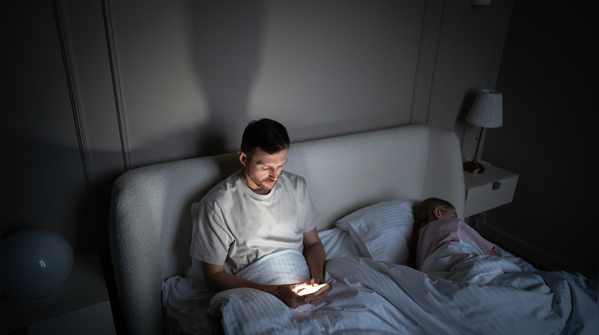
Sleeping with lights on? When night never truly becomes dark
Many bedrooms today are never fully dark.
A television hums in the corner. A lamp stays on. A phone screen glows on the bedside table.
These habits feel harmless. Some people even say the sound or light helps them fall asleep. But sleep experts warn that the body reads light very differently from the mind.
The human brain evolved to follow natural day-and-night cycles. Darkness signals the body to slow down. Light tells it to stay alert.
When artificial light stays present all night, the brain receives mixed signals. Hormones shift. Sleep quality drops. Over time, metabolism may also change.
Doctors say the body may fall asleep, but it does not rest properly.
The body’s clock depends on darkness
Sleep is controlled by the body’s internal timing system known as the Circadian rhythm.
This clock sits in the brain and responds strongly to light and darkness. When evening arrives and the room becomes dark, the body releases Melatonin, a hormone that prepares the brain and body for rest.
Even small amounts of artificial light can confuse that system.
According to Dr Nikhil Modi, Senior Consultant in Respiratory, Critical Care and Sleep Medicine at Indraprastha Apollo Hospitals, the problem begins with the body’s sensitivity to light, “Sleep is also controlled by the body’s internal clock, also called the circadian rhythm, which is highly sensitive to light and darkness. When people sleep with their lights on or the television playing in the background, the effect of the artificial light emitted may disrupt the secretion of melatonin, the hormone that tells the body it is time to sleep.”
Even dim light from a television or standby lamp can trick the brain.
“Even a small amount of light in the sleep environment can fool the body into thinking that it is still daytime, resulting in poor sleep quality.”
The result is sleep that feels long enough but still leaves a person tired.
Why screens and TVs quietly disturb sleep
A television does more than produce light.
It also creates changing brightness, flickering images, and background sound. These signals keep the brain partly alert even when the eyes are closed.
Dr Modi explains that these small disruptions stop the body from reaching the deepest stage of sleep.
“The noise resulting from the use of electronic gadgets such as televisions can also help to ensure that the human body does not attain deep sleep.”
Deep sleep is the stage where the brain repairs tissues, consolidates memory, and resets energy levels. If that stage becomes shorter or fragmented, the body wakes up feeling unrested.
The problem often builds slowly. Many people do not realise their sleep quality has been declining.
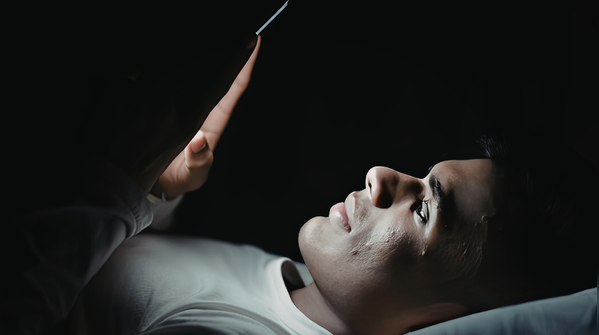
Light at night can influence hormones and metabolism
Sleep does not only restore energy. It also regulates hormones that control appetite, stress and metabolism.
Research from the National Institutes of Health found that exposure to artificial light during sleep may increase the risk of weight gain and metabolic disturbances.
Studies have observed that people who sleep with lights or television on tend to show higher rates of metabolic imbalance over time.
Dr Modi notes that irregular sleep patterns combined with nighttime light can affect the body well beyond rest, “Irregular sleep patterns can also cause other effects not directly related to sleep. It has been established that irregular sleep patterns and exposure to light at night can affect the hormonal balance of the human body. This leads to an increased risk of weight gain.”
Another large sleep study from the NIH also links disrupted sleep patterns with higher risks of obesity and metabolic disorders.
In simple terms, when sleep becomes irregular, the body’s energy regulation system also becomes unstable.
Why many people rely on light while sleeping
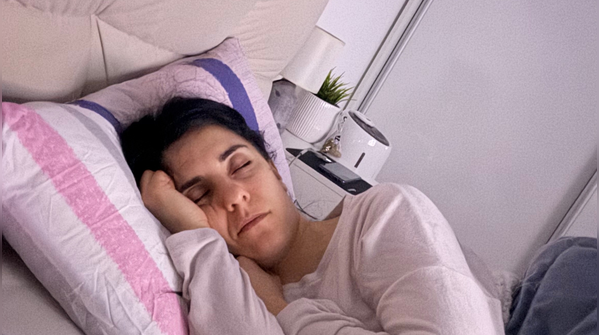
For some people, a completely dark room feels uncomfortable.
Children may fear darkness. Adults may leave the TV running for background sound. Others fall asleep while watching late-night shows.
Modern homes also contain many hidden light sources. Router lights, digital clocks, phone chargers, and standby indicators create a constant glow.
Over time the brain becomes used to these signals. Yet the biological system controlling sleep has not evolved to handle them.
Artificial night is a modern invention. The body is still adapting to it.
Small night-time changes that improve sleep quality
Doctors say restoring darkness is one of the easiest ways to improve sleep health.
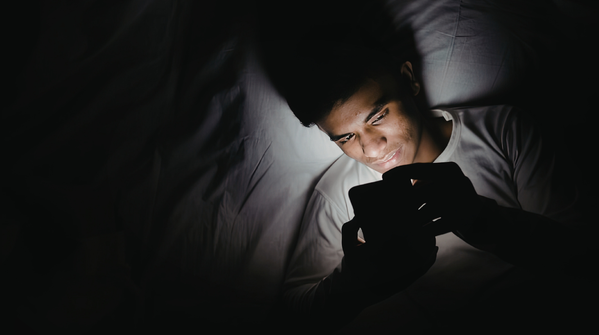
Dr Modi suggests focusing on sleep hygiene, “Improvement of sleep hygiene can be done through the creation of a dark, quiet, and cool environment. It is also recommended to avoid screens and lights at least 30 to 60 minutes before bedtime.”
He also emphasises routine, “The establishment of a regular sleep schedule also improves sleep hygiene. Making minor adjustments to night routines can greatly improve the quality of sleep.”
Simple changes often work best:
Turn off televisions before sleeping
Dim lights one hour before bedtime
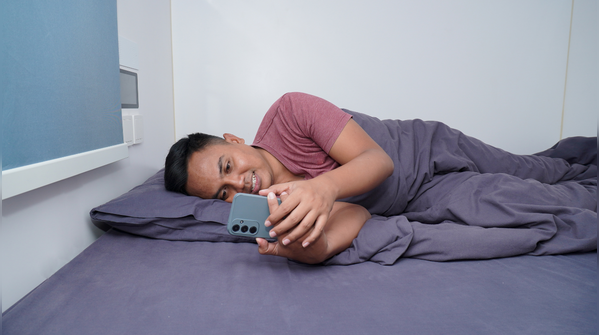
Keep phones away from the pillow
Use curtains or blackout blinds if street lights enter the room
Maintain a fixed sleep and wake schedule
These habits allow the brain to recognise that night has truly arrived.
And once the brain recognises night, the body finally begins to rest the way it was designed to.
Medical experts consulted
This article includes expert inputs shared with TOI Health by:
Dr Nikhil Modi, Senior Consultant in Respiratory, Critical Care and Sleep Medicine at Indraprastha Apollo Hospitals.
Inputs were used to explain how sleeping with lights on or a TV playing can interfere with the body’s natural sleep cycle, disrupt hormone balance, and affect metabolism, while highlighting why maintaining a dark and quiet sleep environment is important for overall health.
Featured In Health

