
- News
- Health News
- High blood pressure isn’t just a heart problem, it’s a kidney alarm
High blood pressure isn’t just a heart problem, it’s a kidney alarm

The quiet pressure you don’t feel
High blood pressure has always had a branding problem. It’s called the “silent killer,” but most people still connect it to just one thing, the heart. Chest pain, heart attacks, maybe stroke. That’s where the concern usually stops.
But the body doesn’t work in neat compartments. And blood pressure doesn’t stay in one lane.
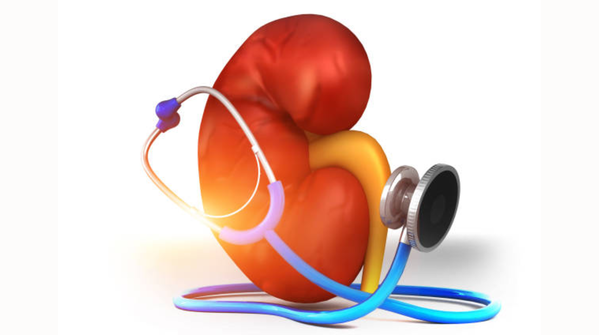
Talk to kidney specialists and you’ll hear a very different story. One where the earliest damage from hypertension may not show up in the heart at all. It begins, quietly, in the kidneys, organs that filter blood every minute of every day without asking for attention.
Dr. Nimish Gupta, a nephrologist at Max Super Speciality Hospital in Delhi, puts it simply: High blood pressure damages the kidneys. So what looks like a routine lifestyle condition may actually be an alarm bell.
A slow injury happening deep inside
Inside each kidney are tiny filtering units called glomeruli. Think of them as microscopic sieves. Blood flows through them, waste gets filtered out, and clean blood moves on.
Now imagine pushing blood through that system at higher-than-normal force, every single day.
Revenge bedtime procrastination: Tired but still scrolling, why we steal sleep at night and can’t seem to stop
Over time, that pressure starts to strain the glomeruli. The walls thicken. The filtering becomes less efficient. And eventually, some of those units begin to fail.
It doesn’t happen overnight. That’s part of the problem.
There’s no sharp pain. No obvious warning. Just gradual damage that builds quietly over years. By the time kidney function drops enough to show up clearly in routine blood tests, a significant amount of damage may already be done.
And that’s what makes hypertension-driven kidney disease so tricky, it’s not dramatic. It’s slow, steady, and easy to ignore.
The signs most people miss
When people think of kidney disease, they often imagine severe symptoms, pain, difficulty urinating, maybe something that forces a hospital visit.
If your parents have diabetes, doctor says this is what you should start now
But early kidney strain doesn’t look like that.
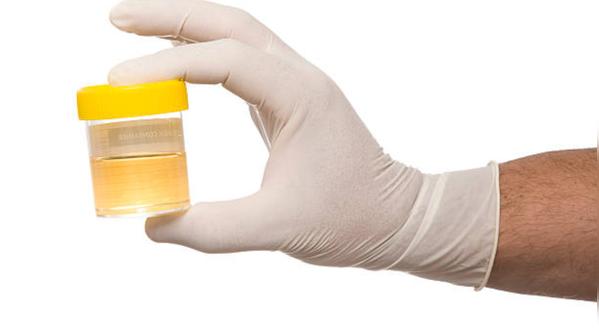
Sometimes, the only clue is in the urine. Protein, which the kidneys are supposed to keep in the blood, starts leaking out. This can show up as urine that looks unusually foamy or frothy.
Then there’s swelling. Not the kind you get after standing too long or eating something salty, but a more persistent puffiness, around the ankles, the legs, sometimes even the face. It may come and go at first, then slowly stick around.
By the time fatigue, nausea, or more serious complications appear, kidney function may already be significantly compromised.

The yearly test most people skip
Ask around and you’ll find that many people with high blood pressure are diligent about checking their numbers. They monitor it at home. They track it during doctor visits.
But very few think about their kidneys unless something feels wrong.
That’s a gap that nephrologists worry about.
For someone living with hypertension, a basic kidney function test and urine examination at least once a year isn’t excessive, it’s essential, recommends Dr Gupta. These tests are simple. A blood sample, a urine sample.
And yet, they’re often skipped.
Partly because hypertension itself feels manageable. If the numbers are under control with medication, it’s easy to assume everything else is fine.
But controlled blood pressure doesn’t always mean zero risk. Especially if the condition has been present for years before diagnosis.
And if those initial tests show even a slight abnormality, more frequent monitoring becomes important. Not as a formality, but as a way to catch changes early, when they’re still manageable.
Food habits that quietly add to the burden
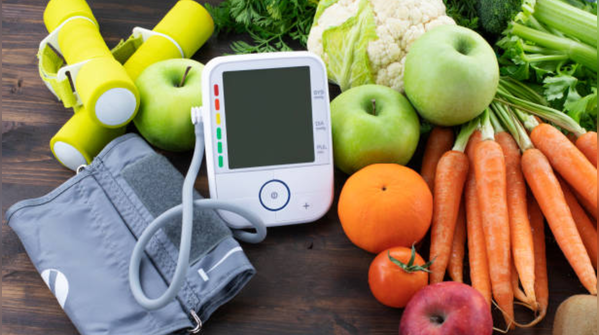
Diet advice for hypertension is everywhere. Eat less salt. Avoid processed food. Stay balanced.
It sounds simple. But in practice, it’s not always obvious where the problem lies.
In many households, especially across South Asia, salt isn’t just added from the shaker. It’s built into the food, pickles, chutneys, packaged spice mixes, ready-to-eat meals. Even foods that don’t taste particularly salty can carry a significant sodium load.
And over time, that adds up.
High salt intake doesn’t just raise blood pressure. It also puts additional strain on the kidneys, which have to work harder to maintain balance in the body, warns Dr. Gupta.
Reducing salt isn’t about bland food. It’s about being aware of hidden sources. Reading labels. Rethinking everyday staples.
It’s a small shift with a long-term payoff.
A relationship that needs more attention
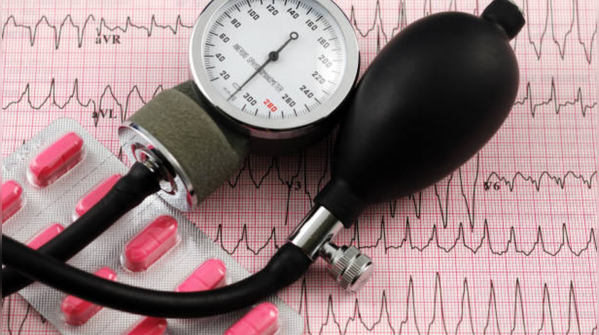
The connection between the heart and kidneys isn’t new. It’s well documented in medical literature. There’s even a term for it, the cardiorenal connection.
But awareness outside hasn’t quite caught up. People still tend to compartmentalize health. Heart health is one thing. Kidney health is another. And as long as there are no obvious symptoms, it’s easy to assume everything is functioning as it should.
But the body doesn’t operate in isolation. A problem in one system often echoes in another.
And hypertension sits right at that intersection.
Featured In Health

