
Why milk curdles while boiling and 3 ways to prevent it
Why milk curdles while boiling and 3 ways to prevent it
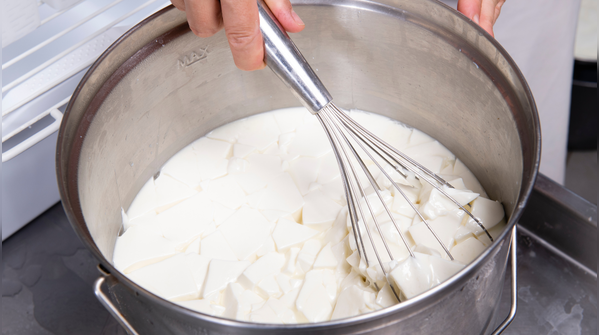
It usually happens in a matter of seconds. You are standing by the stove, waiting for milk to come to a gentle boil, when the surface suddenly changes. Tiny granules appear. The liquid looks grainy. In some cases, it splits completely, leaving behind watery whey and clumps that refuse to disappear. For something so common, curdled milk can feel surprisingly frustrating. The good news is that milk curdling is not random. It is chemistry doing exactly what chemistry does. And once you understand what is happening inside the pan, it becomes much easier to stop it. Scroll down to know more.
What actually happens when milk curdles
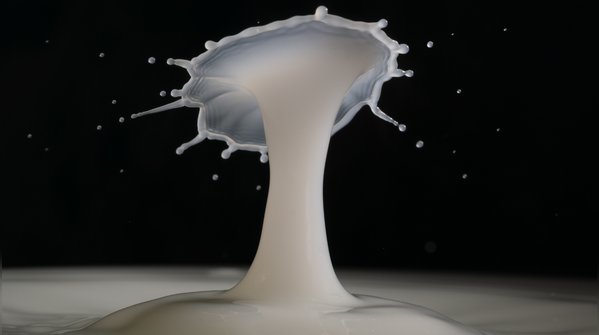
Milk is not a simple liquid. It is a delicate mix of water, fat, proteins, sugars, minerals and tiny suspended particles. The two main protein groups in milk are casein and whey proteins. Under normal conditions, these proteins stay comfortably dispersed, which is why milk looks smooth and uniform.
But milk is also sensitive. Heat, acidity and rough handling can upset that balance. When milk is boiled too aggressively or exposed to an acidic ingredient, the proteins lose their natural structure and begin to clump together. That clumping is what we call curdling.
Heat plays a major role here. As milk warms up, the proteins become more unstable. If the temperature rises too quickly or stays too high for too long, the proteins start separating. In plain terms, the milk’s smooth texture breaks down. The fat and water no longer stay perfectly mixed, and the visible result is curdling.
Acidity can speed this up even more. If a pan is not clean, if a recipe includes lemon, tomatoes or vinegar, or if the milk has already begun to sour, the pH drops. Once that happens, the protein structure weakens faster, and curdling becomes much more likely.
Sometimes, even older milk can curdle sooner because it is already slightly acidic before it reaches the stove. That is why milk that looks fine in the fridge may still behave badly once heated.
Why some milk curdles more easily than others
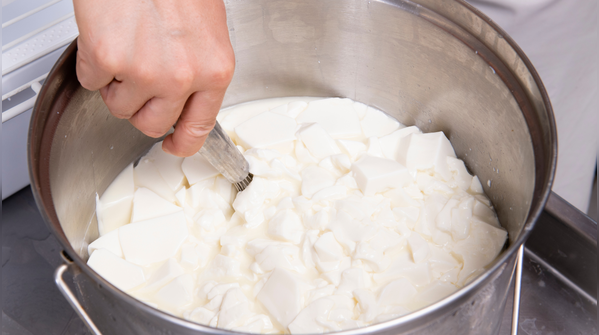
Not all milk behaves the same way. Fresh milk with a balanced fat and protein structure is generally more stable. Milk that is close to its expiry date, stored poorly, or repeatedly reheated is much more vulnerable. Full-fat milk can feel richer and often holds up better in some recipes, but it is not immune. Low-fat milk can also curdle, and sometimes even faster, because it has less fat to cushion the proteins during heating.
The vessel matters too. A pan with old residue, a burnt base, or traces of soap or detergent can affect the milk’s behavior. A small amount of sourness or contamination is enough to trigger a reaction.
Then there is the method. High heat, constant rushing and neglecting the milk for just a little too long are classic triggers. Milk does not appreciate drama. It prefers patience.
Three ways to prevent milk from curdling, 1. Heat it slowly and gently
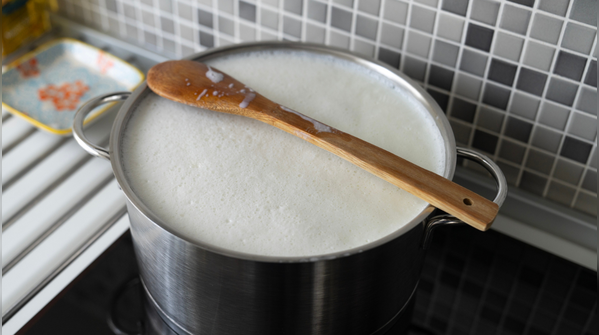
This is the simplest and most effective fix. Do not let milk go from cold to violent boil in one leap. Keep the flame low to medium and warm it gradually. Stir occasionally so the heat spreads evenly across the pan.
Once the milk starts rising, reduce the flame. A rolling boil is not always necessary. In many cases, a soft simmer is enough, especially if you are using milk for tea, kheer, custard or sauces. Gentle heat protects the proteins and reduces the risk of separation.
2. Avoid sudden acidity and temperature shocks
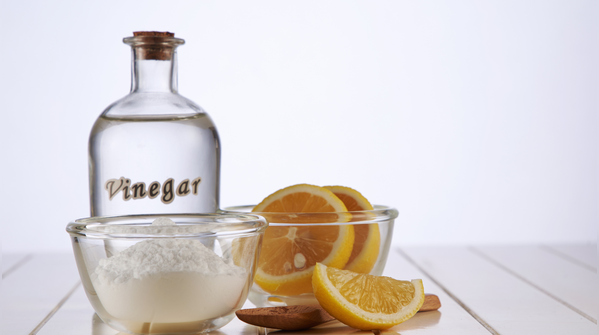
If a recipe contains acidic ingredients, add them carefully and at the right stage. Do not pour lemon juice, vinegar or tomato-heavy mixtures into hot milk all at once unless the recipe specifically calls for that reaction. In dishes where you want the milk to stay smooth, keep acidic ingredients separate until needed.
A similar rule applies to temperature changes. Do not pour very cold ingredients straight into hot milk unless the recipe is designed for it. Sudden shifts can cause the proteins to seize up. If you are making tea or a milk-based dish, allow ingredients to come closer to room temperature when possible.
3. Use clean utensils and fresh milk
A clean pan is not a minor detail. It is essential. Any leftover food particles, burnt residue or sour traces can destabilise the milk. Always use a clean, dry utensil and a fresh container if you are transferring milk before boiling.
Fresh milk matters just as much. If milk is close to spoiling, curdling becomes much more likely. Smell it, check it, and do not assume it will behave well just because it still looks white. Milk can turn on the stove faster than it appears in the fridge.
When curdled milk is not a mistake
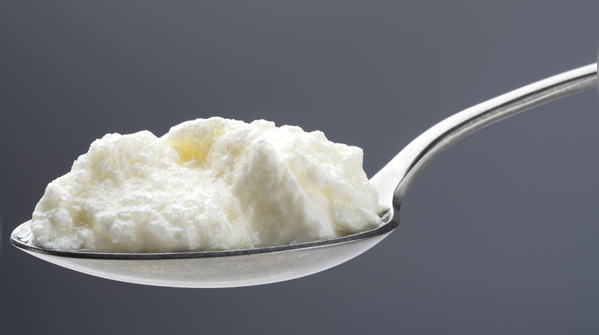
There is one interesting twist: curdling is not always a problem. In many foods, it is the goal. Paneer, cheese, yogurt and certain desserts depend on controlled curdling. The difference lies in intention. Unwanted curdling is rough and uneven. Controlled curdling is guided, measured and useful. That is the paradox of milk. In one setting, curdling ruins a dish. In another, it creates it.
So the next time milk begins to misbehave on the stove, remember that it is responding to heat, acidity and handling. Treat it gently, keep it fresh, and do not rush the boil. A calm flame and a little attention usually make all the difference.
Featured In Food

MORE FROM ETIMES
life & style