
Wooden vs Marble Chakla Belan: Which one is better and tips to improve their shelf life
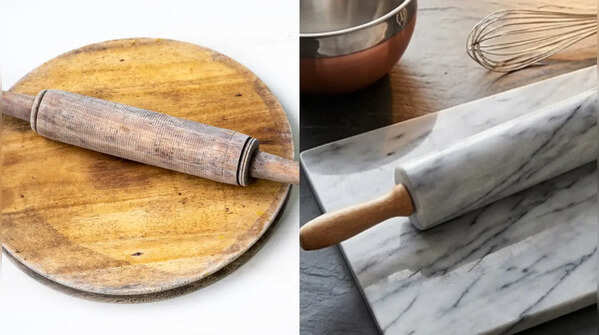
Which type of Chakla Belan do you use?
When we talk about the essentials of an Indian kitchen, a pair of chakla belan (rolling pin and board) is one of the most important items. After all it is used almost every day for making rotis, parathas, and puris. And while the design of this kitchen tool may look simple, the material of your chakla belan can significantly affect comfort, durability, hygiene, and even the quality of your rotis. The most popular ones used in India are wooden and marble chakla belan sets. Let us understand their benefits and drawbacks to make a wiser choice.
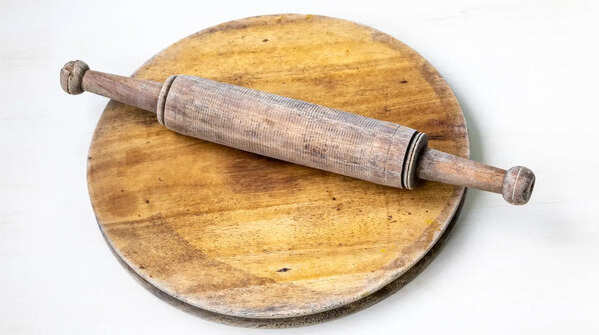
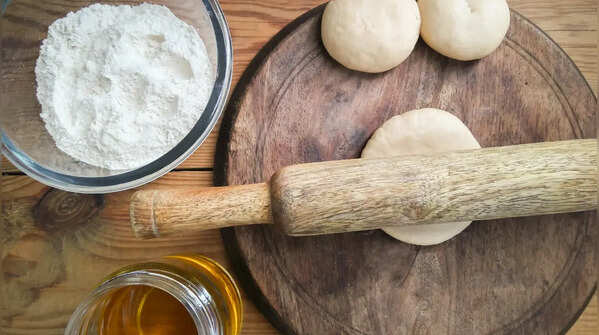
Wooden Chakla Belan
It is being used in Indian households for generations. They are usually made from hardwoods like sheesham, neem, or teak, which are known for their durability and strength.
Advantages: It is lightweight, which makes it easy to move and wash after every use. Also, it is easier to hold and control, especially for beginners or people who make rotis daily. It also provides a slightly textured surface, which helps with a better grip while rolling rotis. It is way more familiar as a material for many households and is pleasant to use in all weather conditions.
Disdvantages: Wooden chakla belan absorbs moisture easily, which means it should always be cleaned with minimal water and dried properly after use. Drying it up during monsoon and winter months is challenging and if stored damp, it may develop cracks, odour, or even mould over time.
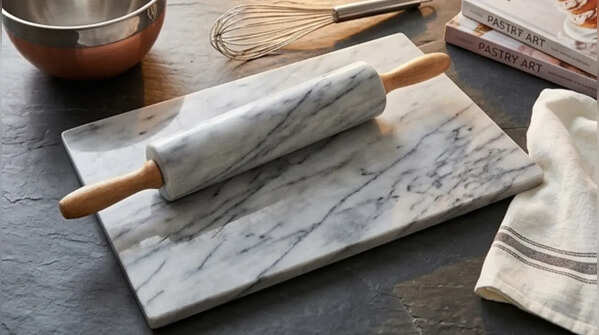
Marble Chakla Belan
This one is very relatable with the modern kitchen setups. The biggest advantage is stability, and is mostly made with white marble, and in some places one can find the black ones.
Advantages: Marble has a naturally cool surface, which helps prevent dough from sticking. The smooth surface of marble makes it ideal for rolling pastry dough, pizza bases, and soft wheat dough in warm weather conditions. Also, because of the smooth surface and non-porous exterior, they are considered more hygienic and easier to clean than wooden ones. Unlike, wooden ones, they do not absorb water, oil, or any food particles. It can be washed thoroughly without worrying about swelling or moisture damage.
Disadvantages: This one is very heavy and harder to move around, hence, cleaning it daily seems like a task. Also because of the weight, using the marble belan feels tiring during extended use. Since marble is a stone, it can crack or chip if accidentally dropped. And if the marble is of poor quality, it may develop stains and marks over time.
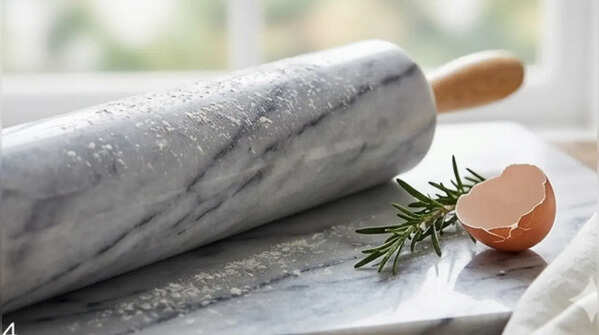
Which one is better
If you are someone who prefers lightweight, traditional, and comfortable rolling experience for everyday rotis, a wooden chakla belan makes for a feasible choice. On the other hand, if you are looking for stability, easier cleaning, and a smoother rolling surface, then marble chakla belan can be a great option. In a nutshell, they both have their own advantages and disadvantages, it all depends on your needs, cooking style, and maintenance preference.
Tips to improve their shelf life
Clean immediately after use: It is important to clean it right after every use. Avoid leaving flour, oil, or moisture on the surface for long periods, as this can lead to stains, odour, or bacterial buildup.
Avoid excess water: Never soak the wooden ones in water, as wood absorbs moisture easily. Instead, use a damp cloth or mild soap with minimal water for cleaning.
Dry properly: After use and washing, put them under the sun to dry, before placing it back in cabinets or drawers.
Store in a dry place: Always keep the chakla belan away damp corners, direct sunlight, or excessive heat.
Featured In Food

