
- News
- Health News
- Hantavirus warning: US CDC advises not to use vacuum cleaners to clean rat droppings; here's why
Hantavirus warning: US CDC advises not to use vacuum cleaners to clean rat droppings; here's why
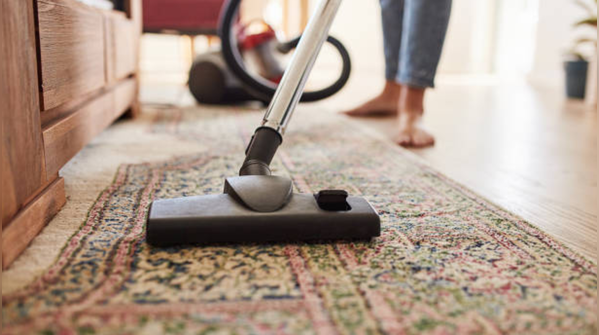
Do you use vacuum cleaners to clean up rodent faeces? Wait and read this
If you've found rodent droppings in your home and your first instinct is to grab the vacuum, stop. Health experts, including the CDC, are pushing back hard against this impulse, and for good reason. Vacuuming or sweeping rat droppings is one of the quickest ways to expose yourself to hantavirus, a potentially deadly disease that's more of a threat than most people realize.
The invisible danger
Here's what happens when you pull out that vacuum: tiny droplets containing viruses get into the air when you vacuum or sweep rodent urine, droppings, or nesting materials. Once those particles are floating around, you breathe them in.
The silent vitamin deficiency experts say could increase your cancer risk over time
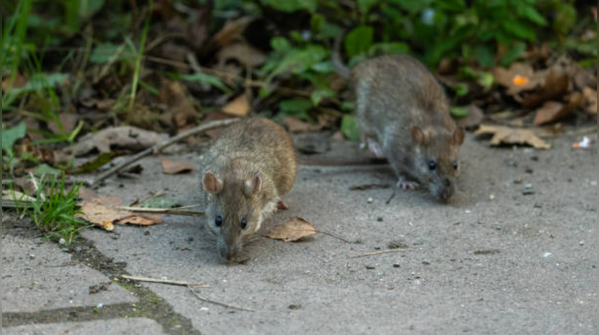
When fresh urine, droppings, or nesting materials of an infected rodent are stirred up, the virus can get into the air, and you can become infected by breathing in the contaminated air. This is the primary way hantavirus spreads to humans. It's not about touching the droppings with your bare hands (though you shouldn't do that either). It's about aerosolization—sending microscopic viral particles into the air where they hang and get sucked into your lungs.
What US CDC says
“Diseases are mainly spread to people from rodents when they breathe in contaminated air. Don't vacuum or sweep rodent urine, droppings, or nesting materials. This can cause tiny droplets containing viruses to get into the air,” the US CDC says.
And this isn't some theoretical risk. Approximately 1 in 3 people with hantavirus pulmonary syndrome die, according to health data.
What Hantavirus actually does
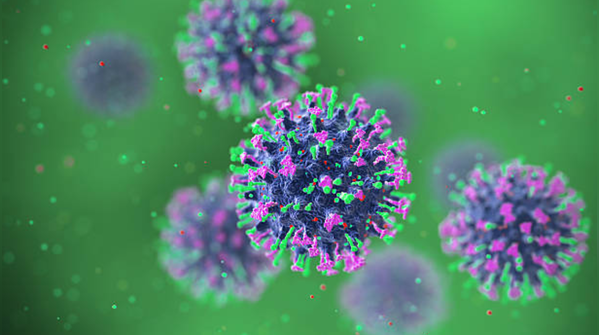
Hantaviruses found in the Western Hemisphere, including the United States, can cause hantavirus pulmonary syndrome (HPS), a severe and potentially deadly disease that affects the lungs. The infection starts with early symptoms like fever, fatigue, and muscle pain feel like the flu. But then it escalates. Coughing and difficulty breathing take over as fluid builds up in your lungs, and from there, things can go downhill fast.
The WHO notes that symptoms usually begin between one and eight weeks after exposure, depending on the type of virus, and typically include fever, headache, muscle aches and gastrointestinal symptoms such as abdominal pain, nausea or vomiting. By the time you realize it's serious, the virus has already done considerable damage.
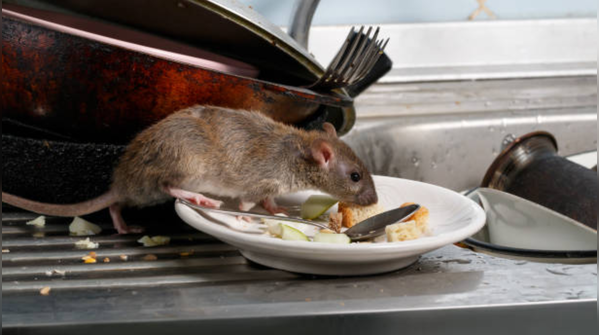
The right way to clean up rat droppings
So what should you actually do if you find rodent droppings? The CDC has specific guidance, and it doesn't involve your vacuum.
First, put on rubber or plastic gloves, then spray urine and droppings with bleach solution or an EPA-registered disinfectant until very wet, and let it soak for 5 minutes or according to instructions on the disinfectant label. You can make a simple bleach solution by combining 1.5 cups of household bleach in 1 gallon of water. The key is keeping everything wet—this prevents particles from becoming airborne.
Before you even start, ventilate the space by opening doors and windows for at least 30 minutes to allow fresh air to enter the area. Once everything's saturated with disinfectant, use paper towels to wipe up the urine or droppings and cleaning product, then throw the paper towels in a covered garbage can that is regularly emptied.
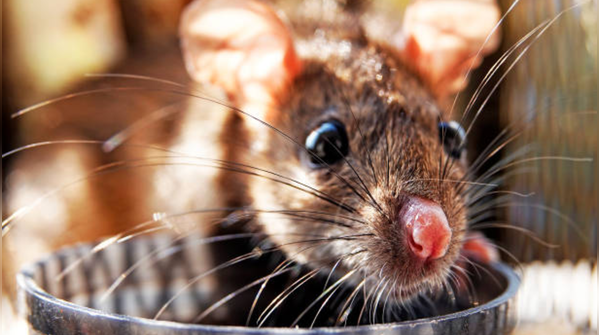
The bottom line
It's tempting to take the quick route when you spot rodent evidence, but that impulse could cost you your health. Vacuums and brooms are off limits—period. Wet everything down thoroughly, wait, wipe carefully, and dispose of materials safely. It takes more time than vacuuming, but it's the only approach that actually protects you. Your lungs will thank you for following the rules instead of cutting corners.
Featured In Health

