
- News
- Health News
- Doctors are warning about cancer’s ‘pre-diagnosis phase’ where symptoms exist but clear answers often don’t
Doctors are warning about cancer’s ‘pre-diagnosis phase’ where symptoms exist but clear answers often don’t
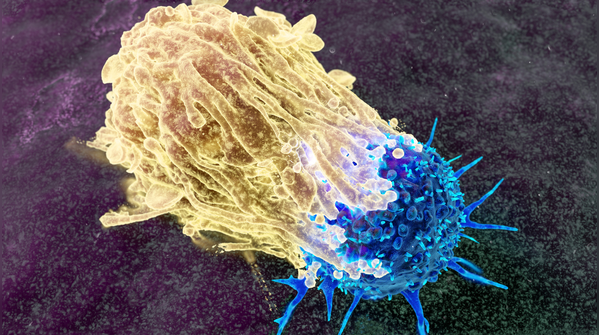
When symptoms speak before tests do
Cancer is often imagined as a moment. A scan report. A biopsy result. A doctor quietly saying, “We found something.”But for many patients, the real story begins much earlier.
It may start with a tiredness that does not go away. A strange pain that keeps returning. Sudden weight loss blamed on stress. Digestive trouble dismissed as acidity. Weeks pass. Then months. Blood tests look mostly normal. One scan raises questions, another gives no clear answers.
This uncertain stretch of time is what some doctors are now calling the “pre-diagnosis phase” in cancer care, a medically complex and emotionally exhausting period where symptoms exist, but answers do not.
According to Dr Anand Mohan, this phase has become increasingly visible in modern oncology because many cancers do not announce themselves loudly in the beginning. Instead, they arrive quietly, through symptoms that appear ordinary enough to ignore.
And that is exactly what makes this phase so difficult for both patients and doctors.

When the body sends signals too soft to notice
One of the biggest challenges in cancer care is that early symptoms are often frustratingly vague.
Fatigue can be linked to poor sleep. Weight loss may appear after stress or dietary changes. Mild abdominal discomfort may look like gastritis. A lingering cough could simply be seasonal.
Before chest pain begins, these subtle signs could point to high cholesterol
Cancer rarely begins with dramatic symptoms in every patient. In many cases, the body whispers before it screams.
This is why the “pre-diagnosis phase” can stretch for a long time. Patients may move from one clinic to another searching for clarity while doctors cautiously investigate possibilities without jumping to alarming conclusions too early.
Research from the National Cancer Institute explains that many cancers are easier to treat when detected early, but early detection remains difficult precisely because symptoms may overlap with common illnesses.
A study published by the National Institutes of Health (NIH) has also discussed how diagnostic delays can occur when symptoms are non-specific and intermittent, especially in cancers affecting the digestive system, ovaries, pancreas, or blood.
The problem is not always medical negligence. Sometimes, the disease itself hides well.
The emotional weight of “not knowing”
For patients, uncertainty can become its own kind of illness.
There is a unique anxiety attached to symptoms that persist without explanation. Every new test creates hope and fear at the same time. Every “normal” report may bring temporary relief, but also fresh confusion when symptoms continue.
Some patients begin doubting themselves. Others feel unheard.
Family members may say, “Maybe it’s stress.” Friends may encourage them not to overthink. But deep down, many people sense when something in the body has changed.
This emotional burden is now becoming an important conversation in oncology and primary healthcare.
The World Health Organization (WHO) has repeatedly highlighted that cancer care is not only about treatment. Emotional support, timely referral systems, and patient-centred communication are equally critical parts of healthcare systems.
In the pre-diagnosis phase, patients are often not yet “cancer patients” officially. Yet emotionally, many are already carrying the fear of a serious illness.
That invisible stress deserves attention too.
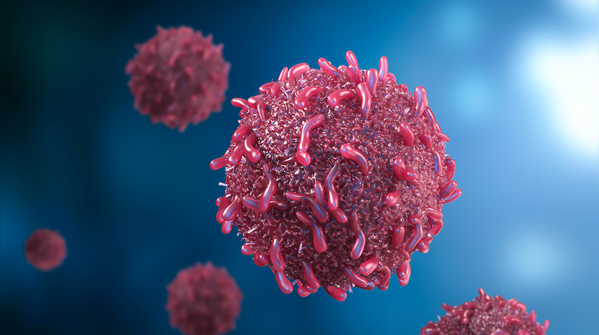
Why doctors cannot rush every symptom into cancer testing
Patients often wonder: if symptoms continue, why not simply test for everything immediately?
The answer is more complicated than it appears.
Medicine works on probabilities, not assumptions. Many symptoms linked to cancer are also commonly caused by harmless conditions. Excessive testing can expose patients to unnecessary scans, invasive procedures, false-positive results, financial burden, and even psychological trauma.
Doctors constantly balance two responsibilities:
catching serious disease early
avoiding overdiagnosis and overtreatment
This balancing act is especially difficult in early cancer care.
For example, a mild digestive complaint in a young person may statistically be far more likely to be acidity than stomach cancer. Yet doctors must remain alert if symptoms persist, worsen, or appear alongside other warning signs.
That is why the pre-diagnosis phase is rarely straightforward. It is often a process of careful elimination.
Few situations reflect that better than this phase.

How health systems are trying to respond faster
Healthcare systems around the world are slowly recognising that unresolved symptoms need better tracking and coordination.
In several hospitals today, multidisciplinary teams are being involved earlier in complicated cases. Instead of one specialist working alone, surgeons, oncologists, radiologists, pathologists, and physicians may review difficult symptoms together.
Some countries have also introduced “rapid diagnostic pathways” for patients with persistent unexplained symptoms.
This shift matters because delayed diagnosis does not always happen due to a lack of testing. Sometimes it happens because symptoms remain fragmented across different appointments and departments.
Better coordination may help doctors connect those scattered clues sooner.
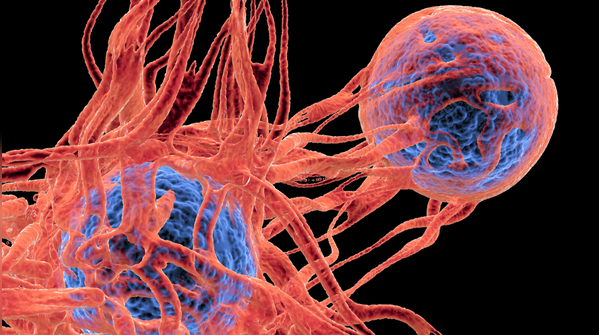
What patients should pay attention to without panicking
The conversation around the pre-diagnosis phase is not meant to create fear around every headache or stomach ache.
Most common symptoms are not cancer.

But doctors say certain patterns should not be ignored, especially when symptoms are:
persistent
worsening over time
unexplained
occurring together
Examples may include:
unexplained weight loss
ongoing fatigue
changes in bowel habits
persistent bloating
unexplained bleeding
recurring pain
loss of appetite
a lump that does not go away

The key difference is persistence.
A symptom that stays for weeks without improvement deserves medical attention, even if it appears small initially.
The Centers for Disease Control and Prevention (CDC) also emphasises the importance of routine screening and timely medical evaluation for suspicious symptoms.
Listening to the body carefully is not paranoia. It is preventive awareness.

Medical experts consulted
This article includes expert inputs shared with TOI Health by:
Dr Anand Mohan, Consultant - Surgical Oncology, CK Birla Hospitals Jaipur.
Inputs were used to explain how the emerging “pre-diagnosis phase” in cancer care is becoming a growing concern among doctors, and why persistent unexplained symptoms should not be ignored even before a confirmed diagnosis is made.
Featured In Health

