
- News
- Health News
- That red rash on your face may not be a summer allergy: Doctor warns it could be an early sign of Lupus
That red rash on your face may not be a summer allergy: Doctor warns it could be an early sign of Lupus
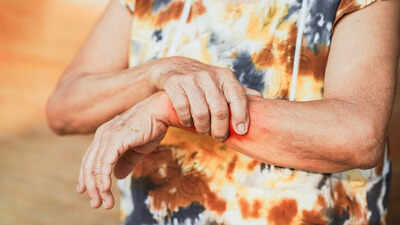
A red rash across the cheeks is easy to dismiss during summer. Heat, sweat, sun exposure, and allergies often take the blame. But in some cases, that rash may be an early warning sign of lupus, a chronic autoimmune disease that can quietly affect the skin, joints, kidneys, and even the heart.
The “butterfly rash” doctors watch closely
Lupus does not stop at the skin
Here is what doctors want people to notice before they ignore it as “just another summer problem.”
Why young women are often diagnosed late
Early diagnosis can change the future
Poll
Have you ever experienced a persistent rash that worsens after sun exposure?

About the AuthorAadya Jha
End of Article
Follow Us On Social Media
Hot Picks
Top Trending
Tired of too many ads?go ad free now
Trending Stories
In Section
Entire Website
- West Bengal HS Result 2026 Live Updates: WBCHSE Class 12 scores on May 14 at 11 AM, websites and passing marks details
- 'Nothing learnt from Nirbhaya incident': Woman dragged, gang-raped in moving bus; disturbing details emerge
- PBKS vs MI Live Score, IPL 2026: Rohit Sharma, Jasprit Bumrah look to spoil Punjab’s playoff push; Shreyas Iyer’s side running out of breathing space
- “Burnout is real”: How Aarav Goel scored 97.20% in CBSE Class 12 while battling NEET pressure
- Iran's Araghchi in India for Brics meet; his plane carries a pointed message: 'Minab168'
- Virat Kohli told to 'play as long as possible' by IPL great after RCB vs KKR clash - Watch
- Quote of the day by Plato: “We can easily forgive a child who is afraid of the dark; the real tragedy of life is when men are afraid of the light.”
- PBKS vs MI Today IPL Match: Kings eye must-win in Dharamsala; rain threat, toss timing key
- From Bhuvneshwar Kumar to Jasprit Bumrah: IPL’s greatest dot-ball bowlers
- HBSE Class 10 Result 2026 Out: Board opens re-evaluation, supplementary exam application window; check details
- West Bengal HS Result 2026 Live Updates: WBCHSE Class 12 scores on May 14 at 11 AM, websites and passing marks details
- 'Nothing learnt from Nirbhaya incident': Woman dragged, gang-raped in moving bus; disturbing details emerge
- PBKS vs MI Live Score, IPL 2026: Rohit Sharma, Jasprit Bumrah look to spoil Punjab’s playoff push; Shreyas Iyer’s side running out of breathing space
- “Burnout is real”: How Aarav Goel scored 97.20% in CBSE Class 12 while battling NEET pressure
- Iran's Araghchi in India for Brics meet; his plane carries a pointed message: 'Minab168'
- Virat Kohli told to 'play as long as possible' by IPL great after RCB vs KKR clash - Watch
- Quote of the day by Plato: “We can easily forgive a child who is afraid of the dark; the real tragedy of life is when men are afraid of the light.”
- PBKS vs MI Today IPL Match: Kings eye must-win in Dharamsala; rain threat, toss timing key
- From Bhuvneshwar Kumar to Jasprit Bumrah: IPL’s greatest dot-ball bowlers
- HBSE Class 10 Result 2026 Out: Board opens re-evaluation, supplementary exam application window; check details
Tired of too many ads?go ad free now



Explore Every Corner
Across The Globe
West Bengal HS Result 2026IPL 2026 Orange CapJannik Sinner and Laila Hasanovic Net WorthJake PaulIPL 2026 Playoff Qualification ScenarioArsenalJermaine JenasMI vs PBKSRajasthan pre deled bstc admit cardPrateek YadavCristiano RonaldoUP Thunderstorm NewsBen WallaceIPL Purple capWBCHSE West Bengal HS 12th Result 2026Mamata BanerjeeLadki Bahin SchemeDelhi Bus GangrapeIPL Match TodayIPL 2026 Points TableMI vs PBKS IPL Match UpdateUS Iran warIPL Purple Cap WinnerFifa World Cup 2026Forza Horizon Release DateSaraswati Vihar Bus GangrapeTripura Work from HomeAir India flightsVirat KohliAlexander zverev

Hot on the Web
Matt BergerRoja SelvamaniType 2 Diabetes SymptomsRanveer SinghSharib HashmiJim CarreyNasreen HashmiJunaid KhanR MadhavanHeath LedgerKaruppu Advance BookingRakesh BediAlia BhattUnique Fruit TreesHotels Laundry TricksChinese ProverbJames McAvoy QuoteTrisha Krishnan HouseRajasthan Luxury TrainKaruppu Movie ReviewOrthopedic Fitness TipsKaruppu ReviewBhooth Bangla Box Office CollectionPuma VS JaguarRatan Tata QuoteRishab ShettyEurope Summer FlightDhurandhar 2 Box Office CollectionRaja Shivaji Box Office CollectionHoroscope TodayHighest Mountains in The WorldDasia TaylorSnakes SlitherCleanest Lakes In The USBill GatesAttracts Snakes To ToiletMartian RockJP MorganLegal Document PropertyClaim Fixed Deposit After DeathGhost Of The WoodsCaptions For Instagram Posts
Trending Topics
Rohit SharmaIPL Points TableChennai Super KingsVirat KohliFortnite Server MaintenanceHyderabad Viral VideoDelhi Gangrape caseMerchant navy man missingTVK MLA MustafaCBSE 12th ToppersTehsil office transactionMike VrabelCBSE Class 12th highest scorer in BengaluruMinab168Arvind KejriwalWest Bengal schoolBSEH Class 10 Passing PercentageAhmedabad weddingBITS Pilani student suicideHBSE 10th Result 2026WB 12th Result 2026PBKS Qualification ScenarioStrait of HormuzEA FC 26 La Liga TOTS players leakedUP StormJen Vrabelmike vrabel dianna russini controversyKerala CM AnnouncementSiddaramaiahFortnite V40 Release timeNeet UG Paper LeakPowerball Lottery WinningKrishna RaoCisco LayoffsMark ZuckerbergNyt ConnectionsAnand MegalingamFlorida LotteryGarena Free Fire MAX Redeem CodesPeroxide CodesGenshin Impact Codes
Popular Categories
HeadlinesSports NewsBusiness NewsIndia NewsWorld NewsInternational SportsHealthIndian TV ShowsTechnologyTravelEtimesAstrologyDeorhiAutoTechnology NewsGold Rate TodayWeather TodaySilver Price TodayDelhi Weather TodayPetrol Price TodayDiesel Price TodayCNG Price TodayLPG Price TodayPetrol Price MumbaiDelhi AQIIs Bank Open TodayMumbai AQI TodayIs Bank Open TomorrowPublic Holidays in MayBank Holidays in May
Latest News
Hazaribag man drowns while fishing in lake"Behen Darr Gayi!": Fans relive ‘Bhagam Bhag’ era after watching Akshay Kumar's 'Bhooth Bangla' trailerMBOSE HSLC result 2026 to release tomorrow: Check details hereIran war risk: JPMorgan CEO Jamie Dimon warns of oil shocks, sticky inflation and higher interest ratesMake your clutch last longer with these easy driving tips“Three-against-one situation”: El Rubius opens up on being “targeted” in MrBeast’s viral $1M challengeBihar BTSC lab assistant notification released for 1091 posts at btsc.bihar.gov.in; apply hereIPL craze costs techie Rs 1.46 lakh in fake RCB vs CSK ticket scamRaising “robot-proof” kids: Why creativity and curiosity matter more than everInside ‘Satguru Sharan’: Exploring Saif Ali Khan and Kareena Kapoor Khan’s Rs 100 crore Bandra homeHow selling Alaska in 1867 was a costly mistake for Russia'Hera Pheri 3 is coming': Paresh Rawal dismisses delay reports and reveals he will 'start shooting soon'US-Iran War: A daring rescue Hollywood blockbuster is on its way. Till then, pick your favourite from these 10 films on bringing someone home against all oddsKolkata team unveils fan mural at Rash Behari Avenue, celebrating city’s first loveHow US spread a lie to rescue a pilot of a jet shot down in IranNetflix unveils ‘VOID’, an AI model that can change a movie plotAI data centers are causing 'stress' not just to tech companies, but also private insurers"Trans women are.....": Clavicular’s viral moment with trans women sparks fresh conversation on internet culture
Copyright © 2026 Bennett, Coleman & Co. Ltd. All rights reserved. For reprint rights: Times Syndication Service