
- News
- Health News
- Doctor recommends top 10 medical tests you shouldn’t skip post-40
Doctor recommends top 10 medical tests you shouldn’t skip post-40

Screenings and tests on regular basis identify health issues at a treatable stage
“People view turning 40 as a significant life milestone because it provides an opportunity to improve their health through preventive measures. The ageing process increases the likelihood of developing multiple chronic diseases, which include heart disease, diabetes, and certain types of cancer. Health screenings that occur on a regular basis enable the identification of possible health issues at an earlier stage which often happens before any health symptoms develop,” explains Dr. Sameer Bhati, Director- Anand Imaging & Diagnostics. “Preventive testing not only improves treatment outcomes but also enables individuals to adopt health-promoting lifestyle modifications which lead to sustained wellness. The following ten medical examinations must receive special attention because people need them after they turn 40.”

Blood pressure test
Hypertension, which medical professionals refer to as high blood pressure, receives the nickname "silent killer" because it typically presents no symptoms. Continuous blood pressure assessment permits doctors to detect health hazards at an early stage which enables them to stop health issues like heart disease, stroke, and kidney failure from occurring.
Kidney health and hydration: Why ‘just drink more fluid’ isn’t the full story
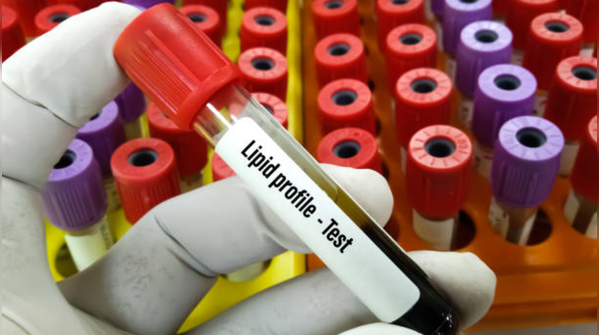
Lipid profile (cholesterol test)
The lipid profile test provides measurements of total cholesterol LDL cholesterol which doctors consider bad cholesterol HDL cholesterol which doctors consider good cholesterol, and triglyceride levels found in blood samples. Higher cholesterol levels create an increased probability of developing heart disease and stroke. Medical professionals recommend periodic cholesterol testing for individuals above 40 years of age to be conducted annually or according to their physician's directives.
You don’t feel it, but your kidneys do: Doctor explains why daily habits matter

Blood sugar test
People need to start screening for diabetes after they reach the age of 40. Clinicians use fasting blood sugar and HbA1c tests to identify individuals who have prediabetes or diabetes at its initial stage. The first stage of diabetes provides patients with the opportunity to manage their blood sugar through dietary changes and physical activity, and requires medication.

Complete Blood Count (CBC)
A complete blood count test delivers essential details about red blood cells and white blood cells and platelets. The test enables the identification of multiple medical conditions including anaemia infections and inflammation and specific blood disorders.
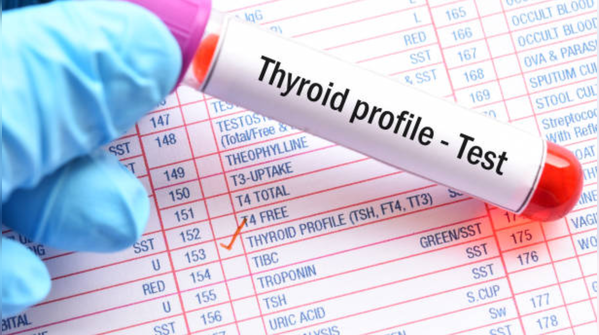
Thyroid Function Test (TSH)
Thyroid disorders become more common with age and they disrupt metabolism together with energy and weight management. The TSH test functions as a screening tool that detects hypothyroidism and hyperthyroidism at their earliest stages.

Liver & Kidney Function Tests (LFT + KFT)
The tests assess the operational efficiency of both the liver and kidneys. The tests enable early detection of fatty liver disease and kidney impairment and metabolic disorders before their symptoms reach advanced stages.

Abdominal ultrasound + Eye examination
An abdominal ultrasound establishes a foundational examination of the liver and kidneys and gallbladder. Regular eye exams assist in discovering vision alterations and the presence of glaucoma and cataracts and retinal disorders.

Heart evaluation (ECG + Echocardiography)
The tests examine both the heart's electrical activity and its physical structure. Advanced testing methods, including Coronary Artery Calcium scoring and CT coronary angiography, enable the detection of early heart disease in patients who have increased cardiovascular risk.
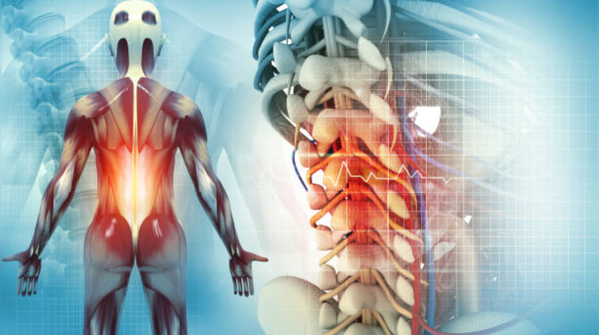
Cancer & bone screening
Screenings, including mammography and colonoscopy and PSA testing enable doctors to find cancers during their initial treatable phases. The DEXA scan bone density test serves as a crucial tool for determining osteoporosis status while helping to prevent future fractures.
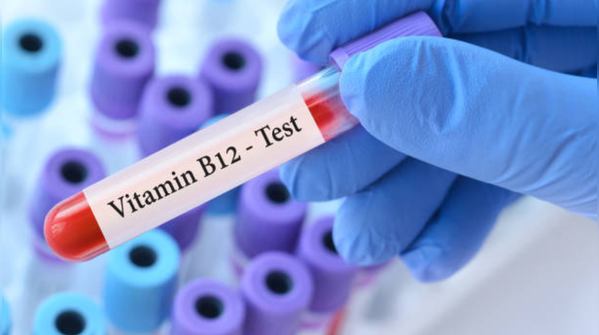
Vitamin D and B12 Tests
Deficiencies in vitamin D and vitamin B12 are common in adults, and these deficiencies result in symptoms that include fatigue, bone weakness, nerve problems, and reduced immunity. The simple blood test enables doctors to identify deficiencies that dietary changes and supplements can be used to correct.

What else?
“Health experts increasingly emphasise preventive health methods instead of waiting for people to display symptoms. People above 40 face major health risks because of their lifestyle choices which include unhealthy eating and insufficient physical activity and their experience of stress and sleep problems. The body function assessments which are obtained through regular screenings, enable people to understand their health status and make better health choices,” says Dr. Bhati.
“Medical testing needs to be performed together with healthy lifestyle habits for its effective implementation. The combination of balanced nutrition, regular physical activity and adequate sleep, and stress management methods. The age of 40 should serve as a chance for individuals to take charge of their health instead of being perceived as a danger. The practice of regular health checkups combined with healthy lifestyle choices allows people to lower their chances of developing major health conditions while they experience better health and active living throughout their future years,” he adds.
Featured In Health

