
Trending
Zombie flower to Mad honey: 5 stunning flowers that smell sweet but can poison you secretly

While beautiful, some flowers harbor dangerous toxins. Lily of the valley, oleander, foxglove, angel's trumpet, and azaleas can cause serious health issues, from heart problems and seizures to hallucinations and even death, with all parts of these plants posing a risk.
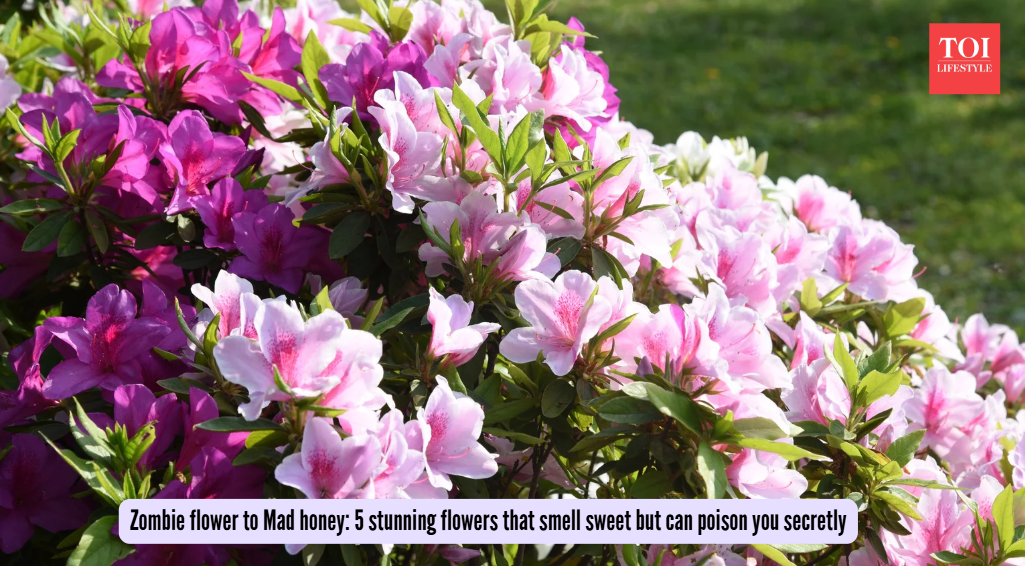
Zombie flower to Mad honey: 5 stunning flowers that smell sweet but can poison you secretly
Here are 5 flowers that you should rethink before leaning in for a sniff:
Lily of the valley

Lily of the valley
Oleander
Foxglove

Foxglove
Angel’s Trumpet
Azalea
End of Article
Follow Us On Social Media
Tired of too many ads?go ad free now
lifestyle videos
Featured In Lifestyle

Tired of too many ads?go ad free now



Hot on the Web
Rajpal Yadav Bail NewsHappy Hug Day WishesRajpal YadavRanveer SinghAmitabh BachchanSalman KhanGovindaBaby NamesRajpal Yadav Cheque Bounce CaseJana NayaganRajpal Yadav Net WorthInderjeet SinghSamuel L. JacksonBlood Sugar ControlZig ZiglerSonu SoodButtermilk DishesRamadan 2026The 50 Contestants ListBlood Sugar TestMardaani 3 Box Office CollectionEckhart TolleHair Care TipsBorder 2 CollectionBharat Bandh 12 FebruaryBorder 2 Movie ReviewMilk AdulterationRemo DsouzaBaby NamesParesh RawalToday Gold Rate in ChennaiDelhi Weather TodayDelhi AQI TodayMumbai AQI TodayMaharashtra Public Holidays 2026Suv Sunroof StuntiPhone 17eElon MuskSpaceX Crew 12 Launch DelayMost Affordable 7 Seater DiscountSamsung Galaxy s26
Trending Topics
Latest MoviesBollywood MoviesHollywood MoviesTamil Movies 2026Telugu Movies 2026Malayalam Movies 2026Kannada MoviesMarathi MoviesBengali Movies 2026Top Rated Movies 2026Best Hindi MoviesBest English MoviesBest Telugu MoviesBest Tamil MoviesBest Malayalam MoviesBest Kannada MoviesBest Bengali MoviesUpcoming Hindi MoviesBest Movies Of All TimeBest Hindi Movies of All TimeLatest English MoviesLatest Malayalam MoviesEnglish TV NewsTamil TV NewsTelugu TV NewsMalayalam TV NewsKannada TV NewsMovie ReviewsBhojpuri Cinema NewsGujarati Cinema News
Popular Categories
Viral NewsK Pop NewsWeb Series NewsAnime NewsUpcoming English MoviesUpcoming Tamil MoviesUpcoming Telugu MoviesUpcoming Malayalam MoviesUpcoming Kannada MoviesFashion TipsTravel NewsEntertainment NewsBollywood NewsTollywood NewsKollywood NewsMollywood NewsFood NewsLatest Hindi MoviesLatest Tamil MoviesParenting TipsHome RemediesWeight LossBeauty TipsParenting TipsHindi VideosHindi Video SongsBhojpuri Music VideosLatest Telugu MoviesBhojpuri Music VideoHindi TV News
Latest News
Saudi Arabia's oil giant Saudi Aramco crosses 70% localisation milestone, $280 billion boost to GDP: Global firms rush in as iktva creates over 200,000 jobsBangladesh polls marred by violence: Crude bomb thrown at polling stationsAnuradha Paudwal calls AR Rahman a ‘Saintly person’; backs him amid communal remark controversyTrump’s tariffs trigger job cuts across Europe: Here are the companies laying off workersFrom braille to bench: Kerala’s first visually impaired judge, Thanya Nathan, tops judicial examShubhangi Atre: I am totally a hopeless romantic at heartBangladesh elections: BNP leader dies at polling station after allegedly being pushed; hit head on treeWe were 'too careful' says England captain Harry BrookIndian army shows new technology and firepower in exercise Rudra Shakti-2026 at Rajasthan's PokhranSLPRB Assam Police recruitment 2026: Apply for 3,228 posts before February 22, check direct linkSignificance of fasting and night vigil on Mahashivratri'Jana Nayagan': When and how will the Thalapathy Vijay starrer clear censorship? What's next for H. Vinoth's directorialIAF to showcase strength in exercise Vayushakti-26 at Rajasthan's PokhranOverturning Family Court order: When Delhi HC allowed early mutual divorce plea, said non-consummated marriage causes hardshipRupee gains 38 paise, reaches 90.40 against US dollar; foreign investments lift sentiment'Sectarian agenda': Jamiat Ulama-i-Hind chief criticises government’s mandate on Vande MataramSanjay Mishra rubbed ash from a pyre all over his body as he missed his father after his death: 'People asked for selfies'Reese Witherspoon devastated after James Van Der Beek's death, honors his final TV role