
- News
- lifestyle
- home-garden
- 8 herbs you can grow on a windowsill for cooking and décor
8 herbs you can grow on a windowsill for cooking and décor
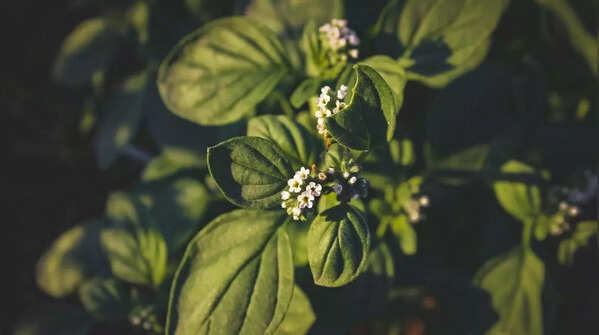
8 herbs you can grow on a windowsill for cooking and décor
One of the simplest methods of adding freshness, fragrance, and colours to an interior space is by planting and growing herbs on a sunny windowsill. Indoor herb gardening does not call for expensive equipment and the result is fresh herbs and an appealing interior decorating theme. Some culinary herbs are well-suited to indoor spaces if they are positioned on the windowsill or under sufficient artificial lighting.
Moreover, the window herb plant represents the larger concept of living in the present and going green. Fresh herbs reduce the need for grocery shopping, foster healthy cooking practices, and provide interesting visual texture for the space. When given appropriate attention, proper watering, sunlight, and temperature, herb plants indoors can remain healthy for long durations easily.
Image Credit: Canva
Basil
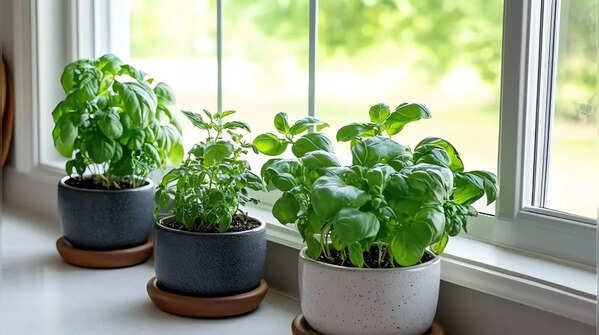
Basil is among the most popular indoor culinary herbs, valued for its use in pesto, salads, and pasta dishes. It grows vigorously in containers and may need repotting as it expands. Healthy basil requires strong sunlight, moist but well-drained soil, and regular watering, especially indoors where soil dries faster. With proper warmth and light, it becomes a productive, fragrant windowsill plant.
Image Credit: Canva

Mint
Mint adapts exceptionally well to indoor growing and can thrive for years when given steady moisture, good airflow, and 4–6 hours of light daily. Harvesting leaves before flowering preserves peak flavor, making it ideal for teas, garnishes, and desserts. Because of its vigorous spread, mint performs best in its own container, ensuring healthy, controlled growth indoors.
Image Credit: Canva
Parsley
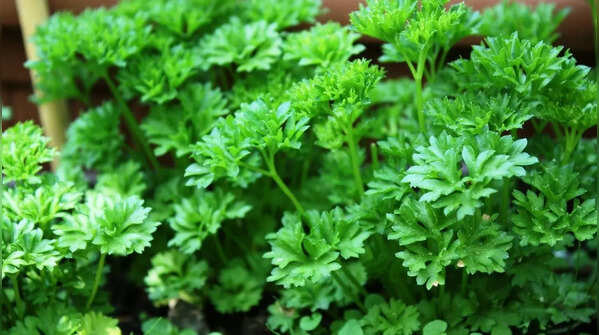
Parsley brightens soups, salads, and garnishes while also serving as a long-lasting biennial herb suitable for indoor pots. It prefers nutrient-rich, well-drained soil and full sunlight to sustain leaf production across seasons. Occasional feeding helps extend harvest time, making parsley both decorative and highly practical for everyday cooking on a kitchen windowsill.
Image Credit: Canva
Chives
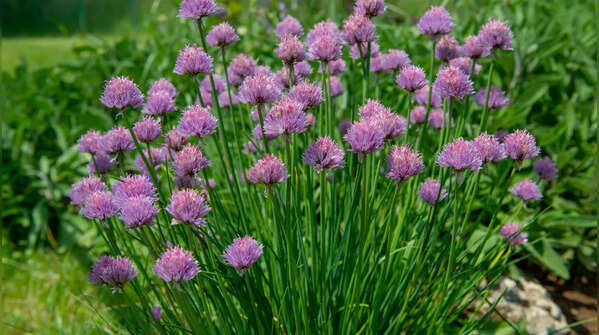
Chives feature slender green leaves and edible purple flowers that add both visual charm and mild onion flavor to dishes. They grow best in full sun with well-drained soil and consistent watering during dry periods. Besides culinary value, chives naturally repel certain pests, making them a functional companion plant in indoor herb arrangements.
Image Credit: Canva
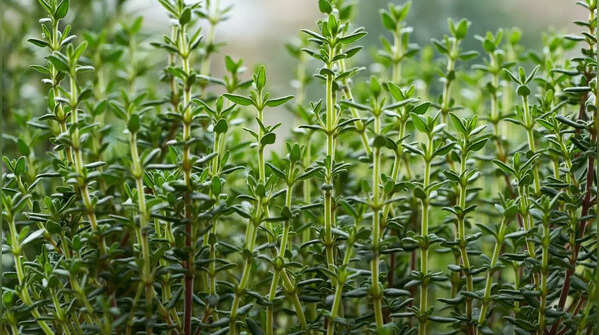
Thyme
Thyme is a hardy Mediterranean herb that tolerates bright sunlight, limited nutrients, and relatively low watering. Although commonly grown outdoors, it adapts well to windowsills when planted in loose, well-draining soil. Its aromatic leaves infuse flavor into cooked dishes, making thyme both decorative and highly useful in compact indoor herb gardens.
Image Credit: Canva

Sage
Sage thrives in sunny indoor spots and prefers soil that dries slightly between watering. Because it requires fewer nutrients than many herbs, it grows well in lighter, sand-mixed compost. Its earthy aroma enhances roasted and slow-cooked foods, while its silvery foliage adds subtle visual texture to a windowsill display.
Image Credit: Canva
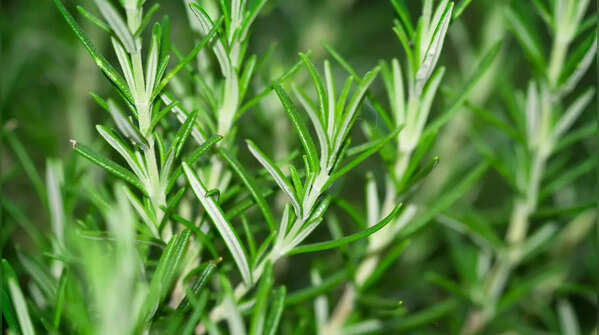
Rosemary
Rosemary is well suited to indoor environments when provided strong light, deep pots with drainage, and careful watering to avoid soggy soil. Its needle-like leaves release a distinctive fragrance and can also help deter household pests. This dual role - culinary and protective, makes rosemary a practical and decorative windowsill companion.
Image Credit: Canva
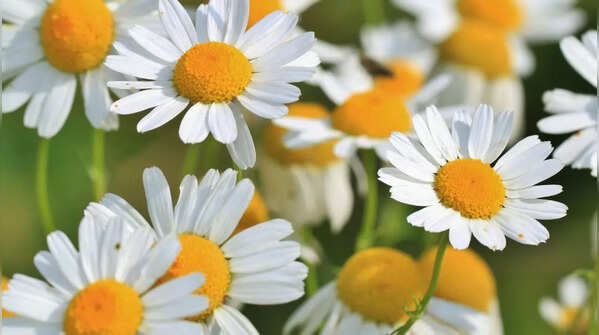
Lemon balm or chamomile
Water-friendly herbs such as lemon balm and chamomile can even grow hydroponically on a bright windowsill. Lemon balm offers citrus-scented leaves for soothing infusions, while chamomile produces delicate flowers used in calming teas. These low-maintenance herbs highlight how indoor gardening can combine wellness, sustainability, and aesthetic appeal in small living spaces.
A window sill herb garden is an example of the fact that meaningful plants do not necessarily require expansive outdoor space to grow. With the right amount of sunlight, watering, and the right plants, it is completely possible for herbs like basil, mint, parsley, thyme, and rosemary to thrive indoors while at the same time providing the opportunity for cooking and the aesthetic of nature. Instead of being a gardening trend, it is more so the evolution of a way of life focused on the idea of being more "green," fresh, and connected to our spaces.
Image Credit: Canva
Featured In lifestyle

