
- News
- lifestyle
- home-garden
- How to grow moringa tree at home (Simple Step-by-Step Guide for Beginners)
How to grow moringa tree at home (Simple Step-by-Step Guide for Beginners)
How to grow moringa tree at home (Simple Step-by-Step Guide for Beginners)
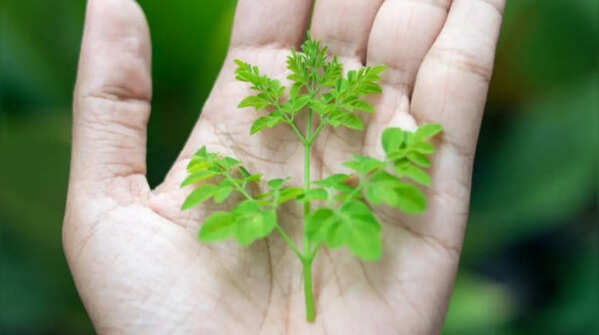
The "miracle tree," for its nutrition, the moringa tree has recently gained popularity as a plant which can be easily grown by beginners due to its numerous advantages. Starting from its nutritious leaves to easy cultivation, moringa is perfect for a person who is looking for an interesting and beneficial plant that they can take care of at home. One of its main features is that it can be grown not only in the soil but in a big container as well; that is why any garden, terrace, or balcony with some spare space will do. Provided proper soil, sunlight, and care, beginners can easily cultivate a healthy moringa tree. Below is an overview of what steps should be followed to succeed.
Select the right planting method
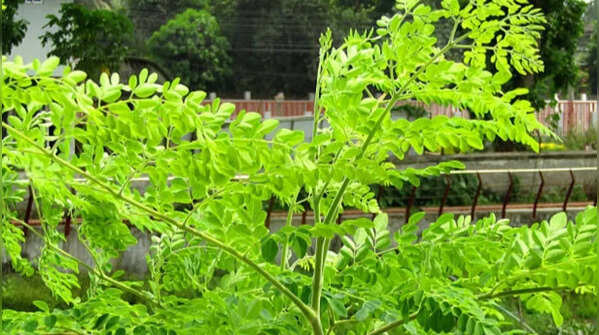
There are two ways of growing moringa, planting seeds and cuttings; however, it is preferable for beginners to use the first option since fresh and healthy moringa seeds sprout easily and grow fast. The seeds can be put straight into the soil or first sown into small pots. They should be planted about an inch deep in the prepared soil. After about one or two weeks after planting, the first sprouts will appear.
Use well-drained soil to ensure healthy roots
Probably, the main feature of moringa trees is the quality of the soil in which they are cultivated in. This plant likes light soils with proper drainage so that the excess water does not gather around its roots. For this reason, it is recommended to use a combination of garden soil, sand and compost. It is advisable to avoid planting moringa in clay soil as it often leads to problems with the roots.
Ensure sufficient sunlight exposure
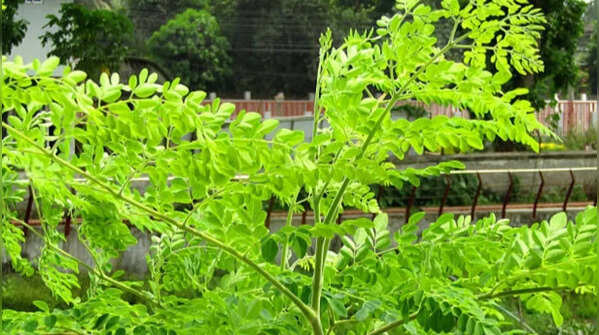
One of the requirements of this plant is proper conditions. Thus, moringa grows in warm climate zones and requires up to six hours of sunlight a day. It is recommended to plant the seedlings in areas where the plants can receive enough sunlight; this will accelerate their development and make the stems stronger. Lack of sunlight often results in a poor-quality moringa plant.
Watering in a moderate manner
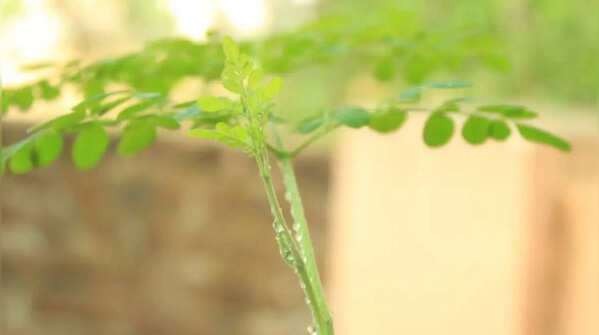
It is widely known that moringa is a quite drought-resistant plant which requires little amounts of water in order to develop. However, while cultivating the plant, one should provide it with sufficient amounts of water when necessary. When the plant is just starting to develop, it is advisable to water it whenever the top layer becomes dry; however, one should be careful not to provide too much moisture to the roots.

Periodical pruning
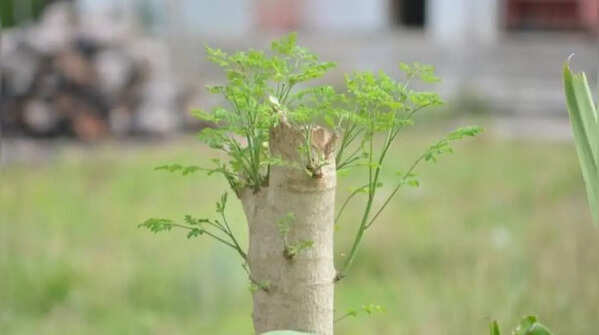
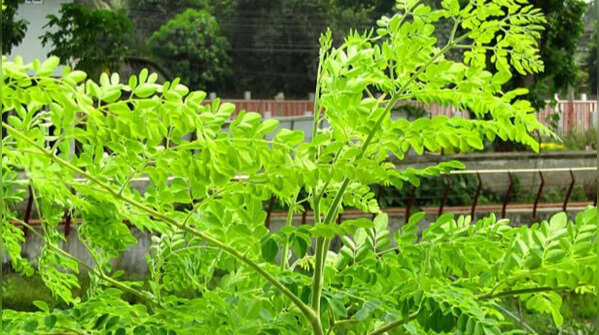
Pruning is an integral part of any cultivation process, including that of moringa. One should trim back its branches once a month, as it makes the tree look fuller and develops more leaves. Moreover, this procedure helps control the size of the plant and prevents it from growing too tall.
Occasional fertilization
The thing is that there is no need to feed moringa with a great amount of various fertilizers; however, some additional nutrition can be provided on a regular basis. The best solution here would be using organic compost.
Featured In lifestyle

MORE FROM ETIMES
life & style