
- News
- lifestyle
- soul-search
- 7 signs you might be an empath and why it’s not a weakness
7 signs you might be an empath and why it’s not a weakness

7 signs you might be an empath and why it’s not a weakness
Some people walk into a room and immediately register the mood, even before a word is spoken. You notice when someone is forcing a smile, feel unsettled after tense meetings, or leave social gatherings unusually tired for no obvious reason. You pick up on emotional undercurrents the way others notice background noise. If that sounds familiar, you might recognise yourself in the word empath, someone unusually sensitive to the feelings, stress, and emotional shifts of the people around you. In everyday conversation, empathy is sometimes framed as softness or emotional overload. In reality, it can be a sharp form of intelligence: social, emotional, and deeply perceptive. Here are seven common signs you might be an empath and why each one can be a quiet superpower when understood and managed well.

1. You absorb other people’s moods fast
When someone nearby is anxious, irritated, or heartbroken, your own body reacts before your mind does. Shoulders tense, breath shortens, mood shifts. Joy works the same way, arriving fast and bright, leaving you buoyant after warm conversations or kind encounters.
Why it’s not a weakness:
This sensitivity gives you real-world advantage. You anticipate tension in meetings, know when to change the subject at family gatherings, sense when a friend needs checking in on, and navigate social dynamics smoothly before problems fully surface.
2. You listen in a way that makes people open up
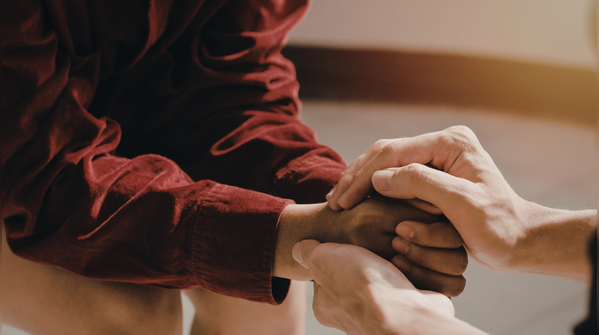
Strangers end up confiding in you at bus stops, in elevators, or during casual errands. Friends ring you before anyone else when life tilts sideways. You catch shifts in tone, long silences, forced jokes, and half-finished sentences others glide past.
Why it’s not a weakness:
Deep listening is increasingly uncommon, which makes it a powerful asset. It builds trust fast, sharpens emotional intelligence, and strengthens personal bonds. In workplaces it improves leadership, teamwork, and conflict resolution, while in caregiving or creative fields it deepens understanding, nuance, and human connection.

3. Crowds and chaos drain you
Busy malls, loud parties, or emotionally charged meetings can sap your energy even when nothing overtly stressful occurs. You leave feeling overstimulated, foggy, or craving silence, wondering why situations others enjoy require such heavy recovery time afterward.
Why it’s not a weakness:
This heightened sensitivity helps detect overload early, avoid burnout, and choose environments wisely. With boundaries and pacing, it becomes a strategic advantage that preserves focus, emotional health, and long-term resilience rather than forcing endurance for appearances’ sake.

4. You struggle to watch suffering
Distressing headlines, violent scenes, or everyday injustices linger long after others move on. You feel pulled to respond rather than scroll past, whether by helping directly, giving time or money, or simply staying present with someone else’s pain.
Why it’s not a weakness:
This response fuels ethical action. It motivates volunteering, advocacy, careful caregiving, and socially conscious work, turning emotional discomfort into concrete support, creative expression, and long-term commitment to easing harm.
5. You often put others before yourself
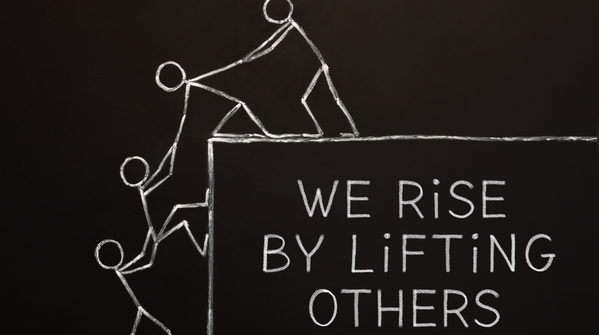
You instinctively rearrange plans, listen late into the night, downplay your own fatigue, or step in when someone is overwhelmed. Helping feels automatic, sometimes even when your own energy is already running low or stretched thin.
Why it’s not a weakness:
This inclination builds strong communities and dependable relationships. With clear limits, it becomes sustainable leadership, thoughtful caregiving, and mutual support rather than self-sacrifice that quietly erodes well-being.

6. You sense when something is “off”
A flat reply, delayed message, forced laugh, or slight change in behaviour sets off internal alarms. You register emotional weather shifts early, often long before anyone admits something is wrong or tension finally surfaces.
Why it’s not a weakness:
This skill functions like social radar. It helps anticipate conflict, support people discreetly, read group dynamics accurately, and adjust responses in real time, giving you an edge in leadership, collaboration, negotiation, and relationship maintenance.

7. You feel deeply about everything
Songs, films, or fleeting online clips can hit unexpectedly hard. Small kindnesses stay with you for days. Rejection stings longer than it seems to for others, while affection, beauty, and connection register intensely and leave lasting emotional imprints.
Why it’s not a weakness:
This emotional depth powers imagination and dedication. It strengthens relationships, sharpens artistic expression, improves design thinking, and helps create work that resonates because it is rooted in genuine human experience rather than surface-level reaction.
Why empathy gets mistaken for fragility
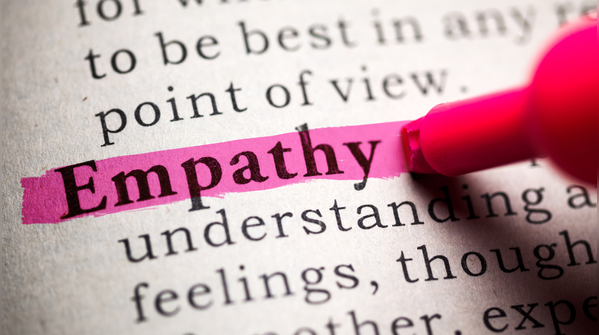
In cultures that prize toughness and detachment, emotional sensitivity can appear as a liability. But empathy isn’t the opposite of strength; it’s a different kind of strength. It requires courage to stay open in a world that often rewards numbness.
Empaths often absorb subtle shifts in tone, mood, and atmosphere that others overlook. That constant awareness can be exhausting, yet it also allows for deeper relationships and meaningful connection. When understood properly, sensitivity becomes discernment rather than vulnerability, a tool rather than a burden.
The real risk for empaths isn’t caring too much; it’s caring without boundaries. Learning to distinguish your feelings from someone else’s, saying no without guilt, scheduling solitude, and choosing environments wisely are survival skills, not signs you’re becoming less kind.
Turning empathy into your edge
If you recognize yourself in these signs, try reframing the trait:
• Think of sensitivity as high emotional resolution, not oversensitivity.
• Treat rest and alone time as maintenance, not indulgence.
• Practice asking, “Is this mine to carry?” before absorbing others’ problems.
• Use your insight intentionally: in relationships, work, and creative pursuits.
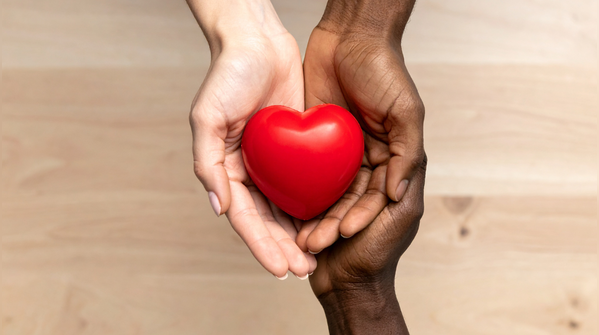
Being an empath doesn’t mean you’re destined to be overwhelmed. It means you’re wired to notice, feel, and connect more intensely than most.
This heightened awareness allows you to read rooms quickly, sense unspoken emotions, and respond with unusual sensitivity. You often understand what someone needs before they articulate it. While that depth can feel heavy, it also builds emotional intelligence that many spend years trying to cultivate.
When guided with self-respect and boundaries, that wiring becomes a source of wisdom, creativity, and quiet authority.
Featured In lifestyle

