
Trending
What are Buddhist relics 'shariras'? The bones, teeth, and pearls that are believed to hold magical powers
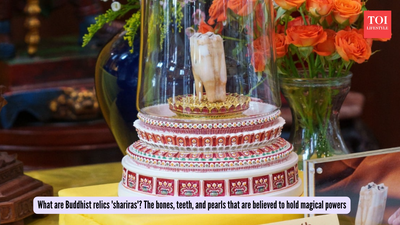
Buddhist relics, physical remains of enlightened beings, are revered as sources of spiritual energy and blessings, connecting millions to ancient wisdom. While some question authenticity, with instances of alleged fakes appearing in markets, believers often trust faith over scientific verification, emphasizing the personal connection to these sacred objects.
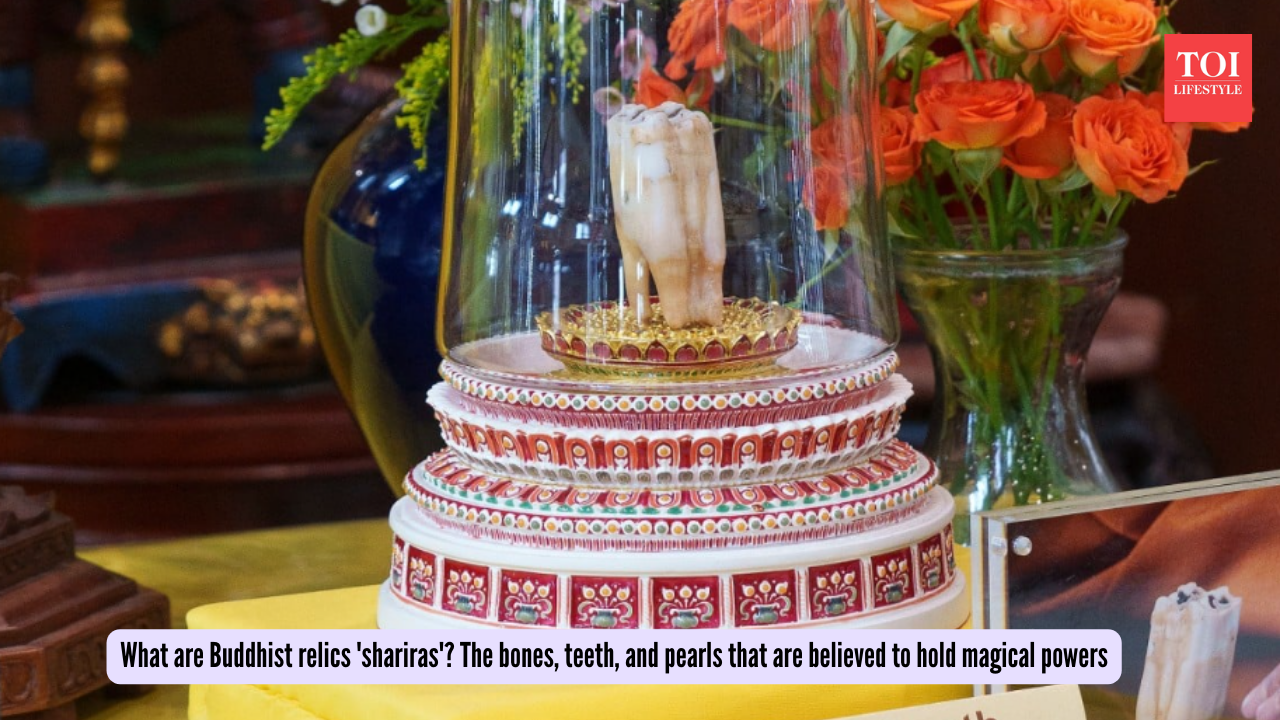
What are Buddhist relics 'shariras'? The bones, teeth, and pearls that are believed to hold magical powers (Photo: SCMP/ AP)
But what are Buddhist relics?
Buddhists consider them embodiments of enlightened
There have been questions over authenticity
End of Article
Follow Us On Social Media
Tired of too many ads?go ad free now
lifestyle videos
Featured In Lifestyle

Tired of too many ads?go ad free now



Hot on the Web
Women's Day WishesVijayShah Rukh KhanPriyanka ChopraBadshahLab Grown GoldJaved AkhtarThe Kerala Story 2Tongue Health ProblemsMagnesium DeficiencyMasterchef India WinnerRavi GhaiRajinikanth Family TreeKunal KhemuAllu Sirish & Nayanika Reddy WeddingChiranjeeviAllu ArjunGovindaYami GautamAmitabh BachchanRERA 2.0Maheika SharmaThe Great Indian Kapil Show 4Anurag DobhalDeeksha SethYoung Sherlock ReviewHoroscope TodayThe Bluff Movie ReviewBorder 2 Movie ReviewTu Yaa Main Movie ReviewToday Gold Rate in ChennaiDelhi Weather TodayDelhi AQI TodayMumbai AQI TodayMaharashtra Public Holidays 2026Maruti Brezza Facelift SpiedLab Grown DiamondsMark ZuckerbergSam AltmanSocial Media BanMaruti Suzuki e-Vitara
Trending Topics
Latest MoviesBollywood MoviesHollywood MoviesTamil Movies 2026Telugu Movies 2026Malayalam Movies 2026Kannada MoviesMarathi MoviesBengali Movies 2026Top Rated Movies 2026Best Hindi MoviesBest English MoviesBest Telugu MoviesBest Tamil MoviesBest Malayalam MoviesBest Kannada MoviesBest Bengali MoviesUpcoming Hindi MoviesBest Movies Of All TimeBest Hindi Movies of All TimeLatest English MoviesLatest Malayalam MoviesEnglish TV NewsTamil TV NewsTelugu TV NewsMalayalam TV NewsKannada TV NewsMovie ReviewsBhojpuri Cinema NewsGujarati Cinema News
Popular Categories
Viral NewsK Pop NewsWeb Series NewsAnime NewsUpcoming English MoviesUpcoming Tamil MoviesUpcoming Telugu MoviesUpcoming Malayalam MoviesUpcoming Kannada MoviesFashion TipsTravel NewsEntertainment NewsBollywood NewsTollywood NewsKollywood NewsMollywood NewsFood NewsLatest Hindi MoviesLatest Tamil MoviesParenting TipsHome RemediesWeight LossBeauty TipsParenting TipsHindi VideosHindi Video SongsBhojpuri Music VideosLatest Telugu MoviesBhojpuri Music VideoHindi TV News
Latest News
What are Buddhist relics 'shariras'? The bones, teeth, and pearls that are believed to hold magical powers‘Spent night fearing explosions': Passengers recount Iran war scare as first flight from Dubai lands in San FranciscoChina's Alibaba sends memo to employees after Qwen AI chief's exit, says: We will set up new…Ayodhya land deal: Amitabh Bachchan buys 2.67-acre plot for Rs 35 crore in HoABL project“God is the greatest”: Geno Smith reacts to sudden release from Las Vegas RaidersRS polls: Nomination papers of 3 NDA candidates found validSmriti Mandhana becomes the first cricketer to get her own ‘Barbie’ — and the cricket world surely didn’t see it comingDrone boomerang: US turns Iran’s own Shahed playbook against TehranAssam’s indigenous Muslims back BJP: Himanta‘Too many ill-wishers’: Russia declines to disclose crude export data to IndiaAIUDF MLA resigns amid fresh turmoil ahead of Assam pollsMumbai homeopathic doctor arrested for performing ‘surgeries’ at Chennai hotelAfter Russia's intel support for Iran, 'Chinese' whispers of financial aid to Tehran? What report saysIn Tura, Meghalaya CM celebrates 8 years of MDA ruleFrancis Ngannou parts ways with PFL as former UFC heavyweight champion sparks talk of possible return to UFCNHAI promises uninterrupted fuel, bitumen supply amid rising cost concernsIn Nagaland, VP calls for youth participation in national servicesVP Radhakrishnan arrives in Mizoram on maiden visit