
Inside Hardik Pandya’s luxurious car collection: 5 cars that define his style
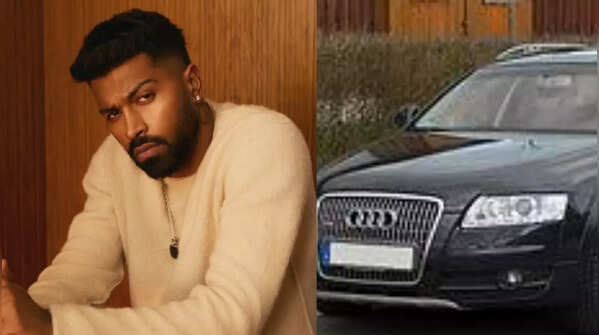
Inside Hardik Pandya’s Luxurious Car Collection: 5 cars that define his style
Hardik Pandya is an Indian cricketer who is not just renowned because of his natural performances in a playing field but also due to his lavish lifestyle. The star all-rounder has over the years accumulated an amazing array of luxurious vehicles, which combine his preference of performance, comfort and style. His garage comprises the most luxurious sedans and powerful SUVs in the world. From ultra-luxury British cars to high-performance Italian machines and German engineering, Pandya’s car collection represents a blend of elegance, speed, and advanced technology. Below are some of the most notable cars in his garage.
(This list is based on the information available on the internet and all the information about features of cars are based on their official websites)
Image Credit: Instagram/ Wikipedia
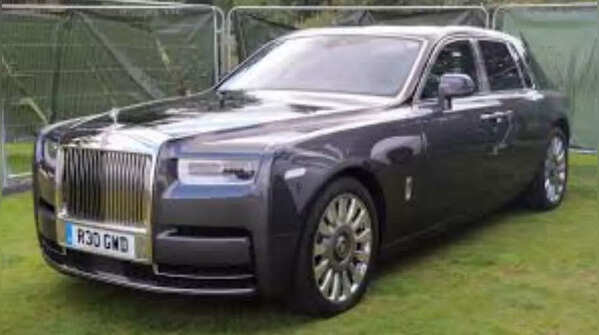
Rolls Royce Phantom
The Rolls-Royce Phantom is one of the most luxurious sedans in the world. It is powered by a 6.75-litre V12 engine designed to deliver extremely smooth and effortless performance. The car is famous for its Starlight Headliner, where fibre-optic lights create the appearance of a star-filled night sky inside the cabin. It also includes handcrafted interiors, self-levelling air suspension, and advanced comfort features designed to provide a quiet and refined driving experience.
Image Credit: Wikipedia
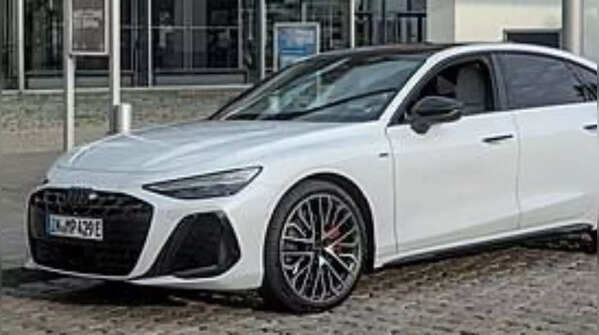
Audi A6
The Audi A6 is a premium executive sedan known for combining performance with advanced technology. It features a powerful turbocharged engine and Audi’s Virtual Cockpit digital instrument display, which provides driving information through a fully digital screen. The car also includes LED lighting technology, driver-assistance systems, and a sophisticated infotainment setup, making it a comfortable and technology-focused luxury sedan for everyday driving.
Image Credit: Wikipedia
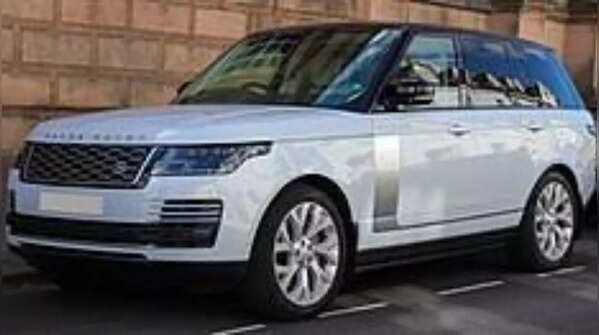
Range Rover Vogue
The Range Rover Vogue, produced by Land Rover, combines luxury with strong off-road performance. It features advanced Terrain Response technology, which adjusts the vehicle’s systems to different driving conditions. The SUV also includes air suspension for a smoother ride, premium leather interiors, and modern infotainment systems, making it suitable for both urban driving and challenging terrains.
Image Credit: Wikipedia
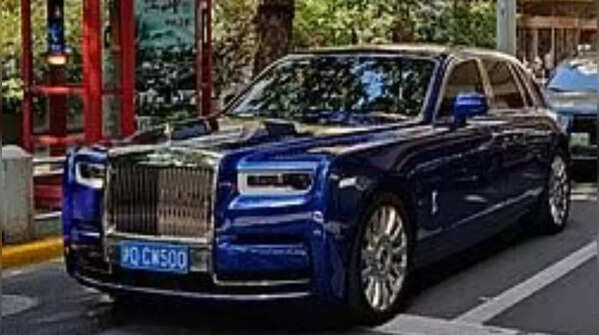
Rolls Royce Phantom
The Rolls-Royce Phantom is one of the most luxurious sedans in the world. It is powered by a 6.75-litre V12 engine designed to deliver extremely smooth and effortless performance. The car is famous for its Starlight Headliner, where fibre-optic lights create the appearance of a star-filled night sky inside the cabin. It also includes handcrafted interiors, self-levelling air suspension, and advanced comfort features designed to provide a quiet and refined driving experience.
Image Credit: Wikipedia
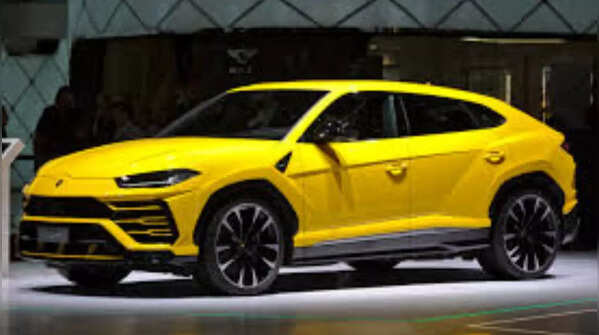
Lamborghini Urus SE
The Lamborghini Urus SE is the brand’s first plug-in hybrid Super SUV. It combines a 4.0-litre twin-turbo V8 engine with an electric motor, producing around 800 CV of power. The SUV can accelerate from 0–100 km/h (kilometer per hour) in about 3.4 seconds and reach a top speed of around 312 km/h. It also offers multiple driving modes, advanced aerodynamics, and a driver-focused digital interface designed to enhance performance and control.
Image Credit: Wikipedia
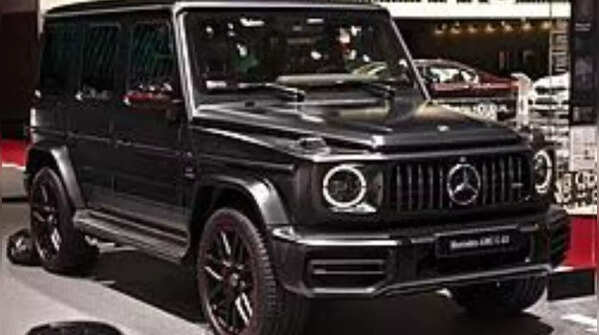
Mercedes Benz AMG G 63
The Mercedes-AMG G63 is one of the most iconic luxury SUVs produced by Mercedes-Benz. It features a handcrafted 4.0-litre AMG V8 biturbo engine that delivers exceptional power and performance. The SUV is known for its distinctive boxy design, advanced off-road capabilities, and premium interior with digital displays, high-quality materials, and modern connectivity features designed for comfort and performance.
The luxury car collection of Hardik Pandya reflects his passion for high-performance engineering and premium design. From the ultra-luxurious Rolls-Royce Phantom to the powerful Lamborghini Urus SE and the rugged Mercedes-AMG G63, each vehicle offers a unique combination of technology, comfort, and performance. Together, these cars showcase how modern luxury automobiles blend innovation with style, making them highly desirable among celebrities and sports personalities.
Image Credit: Wikipedia
Featured In Auto

