
Top 10 most valuable currencies in the world right now
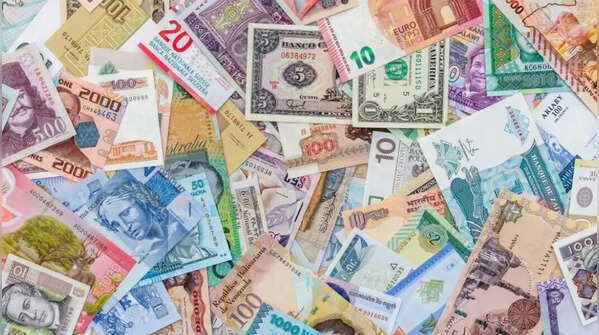
Top 10 most valuable currencies in the world right now
Ask someone to name the world’s strongest currencies, and they’ll probably say the US Dollar, the British Pound, and maybe the Euro. Those are everywhere — big in shopping, banking, Hollywood, you name it. But guess what? The most valuable currency out there isn’t any of those. It’s the Kuwaiti Dinar, an oil-rich Gulf currency you rarely hear about unless you’re deep into finance.
When experts measure a currency’s strength, it’s not about fame or how often you see it in movies. It’s all about exchange value: how much a single unit gets you against the US Dollar. And right now, the Kuwaiti Dinar leads the pack. One dinar buys more than three dollars.
Does this mean Kuwait is the richest country, or has the biggest economy? Not necessarily. Japan’s economy is massive, but its yen trades at a lower value because of historical reasons relating to how the currency was set up.
What’s strange is that some of the strongest currencies in the world actually come from countries that aren’t huge global players. They’re often small, stable, and loaded with oil money. On the flip side, economic giants like China, Japan, and India don’t even crack the top 10 here.
That doesn’t mean their economies are weak. Experts point out “most valuable” doesn’t equal “most powerful.” The US Dollar, for example, dominates world trade but isn’t the highest-priced currency.
But these rankings, based purely on exchange value, offer an interesting peek into how countries handle wealth, inflation, exports, and financial stability.
Currencies aren’t just pieces of paper or numbers in a bank account. They reflect trust, history, stability, and identity. There’s always a story behind the strength. Even in a Dollar-dominated financial world, the tiny Kuwaiti Dinar quietly reigns at the top.
Here we jot down the ten strongest currencies right now, plus a little about why they keep their value.
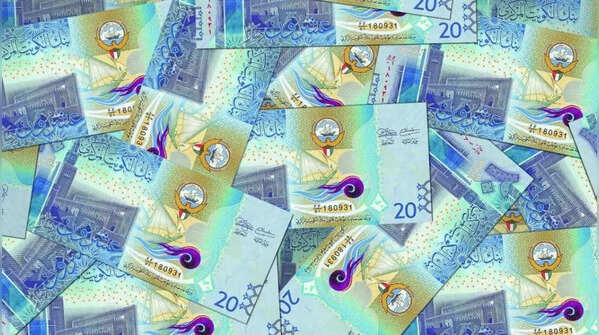
Kuwaiti Dinar
This is the king of currencies. The Kuwaiti Dinar is widely considered the strongest currency in the world. One dinar equals more than three US dollars, which is wild. Kuwait’s enormous oil exports, low taxes, strong sovereign wealth reserves, and tightly managed financial system have helped maintain the dinar’s dominance for decades.
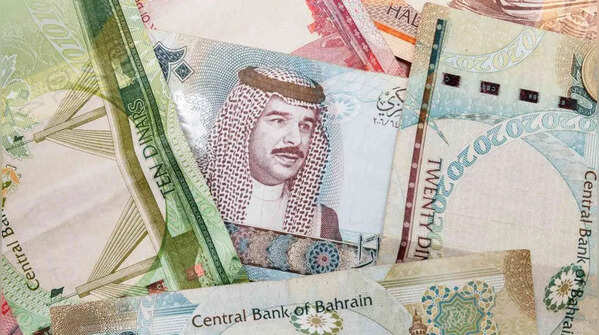
Bahraini Dinar
Second place goes to Bahrain. Bahrain may be geographically small, but its economy is highly diversified compared to many Gulf neighbours: banking, oil, and finance all add to the dinar’s value. The currency is also pegged to the US Dollar, which keeps investors happy.
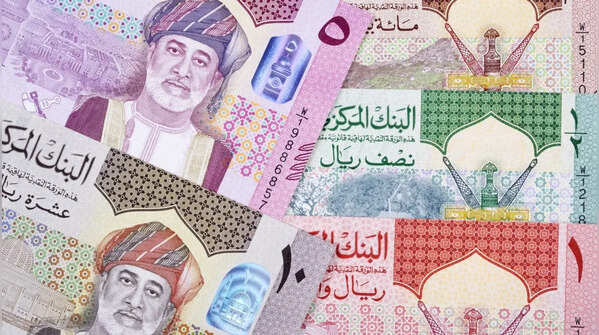
Omani Rial
Oman grabs the third spot. Oman’s currency benefits from strong oil revenues and strict monetary policies. The rial has remained highly stable for years, partly because Oman carefully controls inflation and exchange-rate fluctuations.
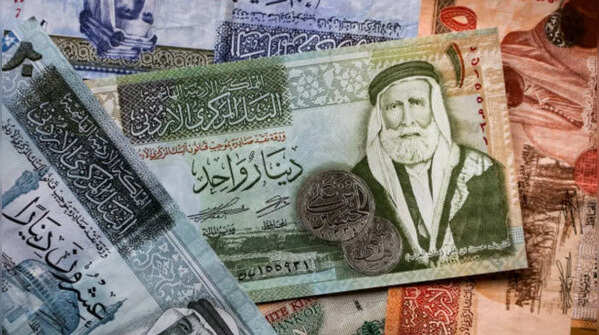
Jordan’s Dinar
Jordan’s Dinar ranks fourth globally and is often considered one of the most interesting entries on the list. Unlike Gulf economies, Jordan doesn’t have big oil reserves. And yet its currency remains extremely valuable due to disciplined monetary policy, foreign investment, and financial stability.
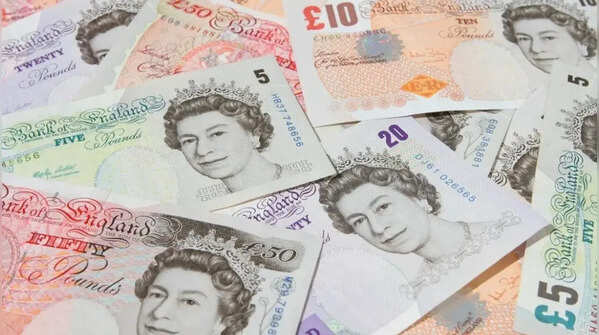
British Pound Sterling
The British Pound Sterling continues to hold its place among the world’s elite currencies. The pound is also one of the oldest currencies still in active use today, dating back over 1,200 years. London is still a giant in global finance, which helps keep the pound strong despite Brexit uncertainty.

Gibraltar Pound
Tied closely to the British pound is the Gibraltar pound, which ranks sixth. Gibraltar’s currency is pegged directly to the British Pound, meaning both currencies maintain nearly identical values. Though rarely discussed globally, the Gibraltar Pound quietly remains one of the world’s highest-valued currencies.
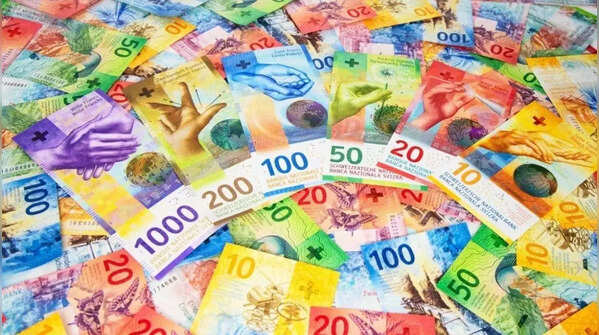
Swiss Franc
The Swiss Franc sits comfortably among the top currencies — it’s always steady. Why so? Because Switzerland has long been viewed as one of the safest financial systems in the world. During global crises, investors often rush toward the franc because Switzerland is known for political neutrality, strong banking institutions, and economic stability. The Swiss Franc is widely known as a “safe-haven currency.”
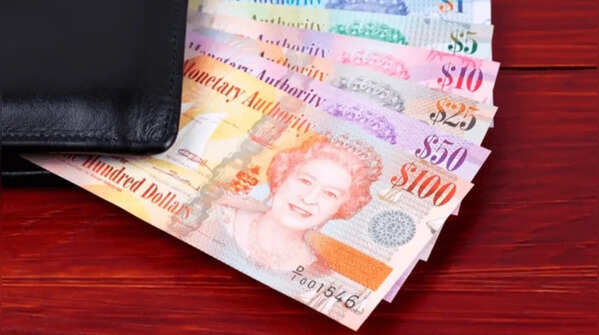
Cayman Islands Dollar
Next is the Cayman Islands dollar. Its strength is largely linked to the Cayman Islands’ role as a major offshore financial hub. The territory’s banking and investment industries attract global wealth, helping sustain the currency’s high value.
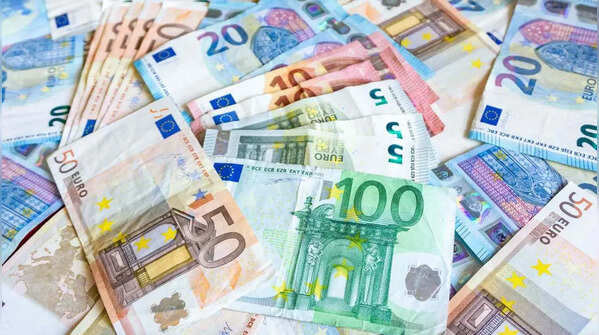
Euro
The euro lands at number nine. It’s the official currency used across much of Europe. Although the Euro does not top the exchange-rate charts, it remains one of the world’s most influential currencies due to the sheer size of the European economy. More than 300 million people use the Euro daily, making it one of the most widely circulated currencies globally.
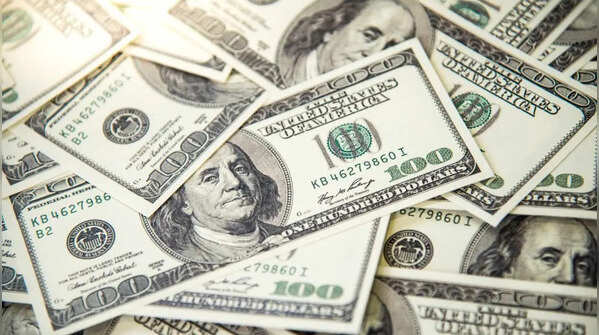
US Dollar
Finally, at number ten, sits the US Dollar. It is perhaps the world’s most globally recognised currency. By exchange value, it ranks tenth, but it still easily dominates global trade, oil deals, investments, and bank reserves. In terms of influence, it’s the heavyweight champion and is the most influential currency on Earth.
Featured In etimes

