
5 weird ancient beauty trends that sound unbelievable today
From Poison To Pain
We all love a good skincare routine, right? Slapping on some hyaluronic acid, maybe a little vitamin C, and praying for that flawless "glass skin" finish. It takes time, sure, and a fair bit of money. But look on the bright side—at least your night cream isn’t actively trying to kill you.
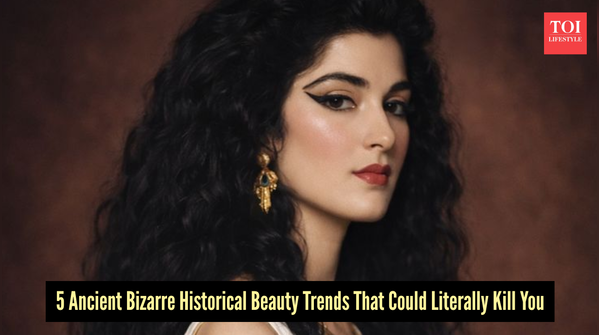
Believe it or not, history is packed with beauty trends that were straight-up lethal. Long before anyone had ever heard of the FDA or dermatological testing, people went to horrifying lengths just to look good. Spoiler alert: the historical "clean girl" aesthetic wasn't very clean at all. Here are five ancient and historic beauty hacks that are strictly banned today, and for very good reason.

The Ghostly Lead Mask (Venetian Ceruse)
Want to look rich in the Renaissance and Elizabethan eras? You had to look pale. Like, exceptionally pale. It was the ultimate status symbol because it proved you didn’t have to work outside in the sun. Queen Elizabeth I was famous for this, famously slathering her face in something called Venetian Ceruse. Sounds incredibly fancy, right? Well, it was actually just a thick paste made of vinegar and white lead. Yep, lead. While it gave women that coveted ghostly pallor, it was quietly poisoning them. Users suffered terrible hair loss, rotting blackened teeth, and severe skin damage. The craziest part? As the lead ruined their skin with deep scars, they’d just pile on even thicker layers of Ceruse to hide the damage. Talk about a vicious cycle.
(Image Credits: Pinterest)

A Blinding Romance (Belladonna Eye Drops)
Over in Renaissance Italy, having huge, dilated pupils was the peak of high fashion. It made women look dreamy, doe-eyed, and aroused. To get the look, they literally squeezed drops of extract from the Atropa belladonna plant right into their eyes. By the way, "belladonna" translates to "beautiful woman" in Italian, but you probably know the plant by its much more accurate common name: deadly nightshade. The drops temporarily paralysed the eye muscles to force the pupil open. The cost? Intense light sensitivity, blurred vision, heart palpitations, and eventually, permanent blindness. Yikes.
(Image Credits: Pinterest)
The Mercury Flush (Cinnabar Rouge)
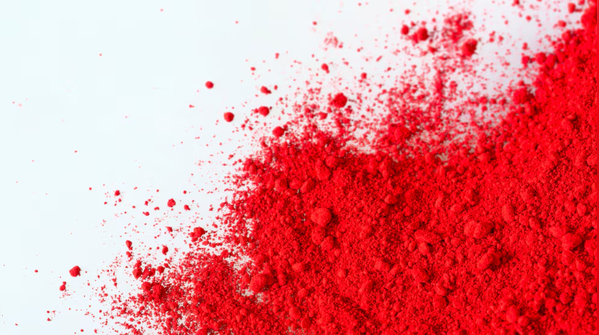
Long before we had safe, cruelty-free cream blushes, ancient Roman, Greek, and Chinese women reached for cinnabar to get that rosy flush on their cheeks and lips. It’s a gorgeous, bright red powder. The catch? Cinnabar is the primary ore of mercury. Rubbing mercury sulfide directly onto your mouth and skin is exactly as bad as it sounds. It aggressively attacked the central nervous system. We're talking uncontrollable tremors, severe mood swings, memory loss, and eventual organ failure.
(Image Credits: Pinterest)
Snacking on Poison (Arsenic Complexion Wafers)
The Victorian era was wild. Thanks to the romanticization of diseases like tuberculosis, looking fragile and "near-death" was somehow high fashion. To get that delicate, translucent look, women didn't just wear toxic makeup. They ate it.
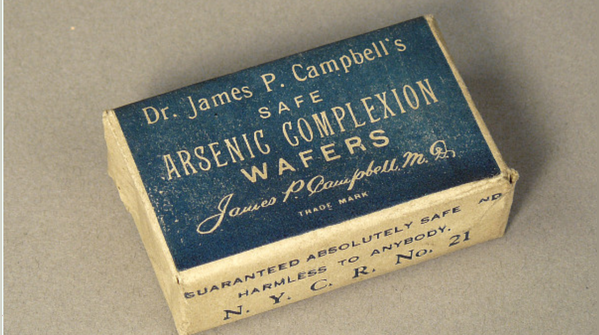
You could walk into a local apothecary and buy Arsenic Complexion Wafers over the counter. They actually "worked" by destroying red blood cells, which gave the skin a crazy pale glow. But chronic arsenic snacking led to intense nausea, hair loss, abdominal pain, and fatal organ shutdown. Because arsenic builds up in the body, women were slowly poisoning themselves for a glow.
(Image Credits: Pinterest)
The Literal Glow-Up (Radium Creams)
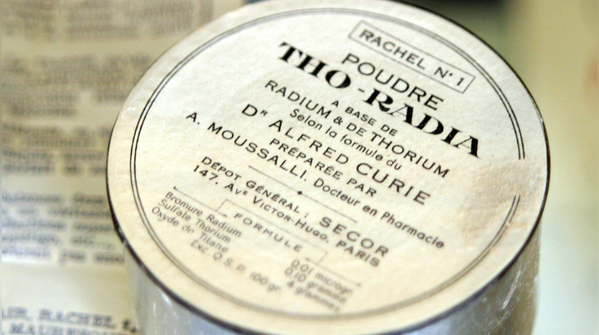
Fast forward to the 1920s. Marie Curie discovers radium, and the beauty industry loses its collective mind. Why not put a glowing, radioactive element into face cream? Brands like Tho-Radia promised "cellular vitality" with luxury cosmetics packed with thorium and radium chloride. People were literally rubbing radioactive material into their pores every single night. The results were horrific. Chronic exposure caused severe anaemia, aggressive cancers, and bone decay—most notably the infamous "radium jaw," where the lower jawbone would literally rot away.
So, the next time you complain about a pimple patch not working fast enough or your foundation oxidizing, just remember how far we've come. We might complain about modern beauty standards, but hey, at least our blush isn't laced with mercury!
(Image Credits: Pinterest)
Featured In lifestyle

MORE FROM ETIMES
life & style