
- News
- Defence News
- From B-2 bombers to F-35 stealth jets: US air force assets deployed near Iran - in pics
From B-2 bombers to F-35 stealth jets: US air force assets deployed near Iran - in pics
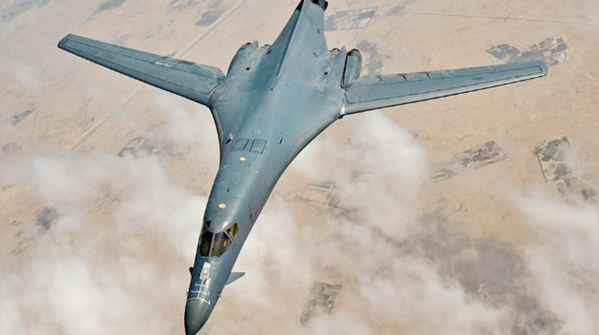
B-1B Lancer
The B-1B Lancer is a supersonic variable-sweep wing heavy bomber used by the US Air Force, designed for long-range missions with high payload capacity. Originally built for nuclear delivery, it was later converted to a conventional-only role and is capable of carrying the largest payload of guided and unguided weapons in the US bomber fleet, with strong low-altitude penetration capabilities.
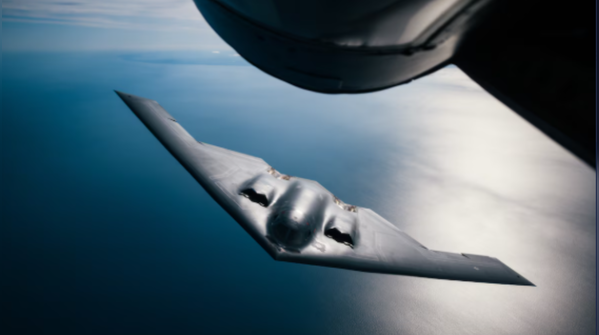
B-2 Spirit
The B-2 Spirit is a stealth strategic bomber featuring a flying-wing design that minimizes radar visibility, enabling it to penetrate advanced air defenses. It can deliver both conventional and nuclear weapons and is one of the most expensive and technologically advanced aircraft ever built, designed for long-range, high-survivability strike missions.
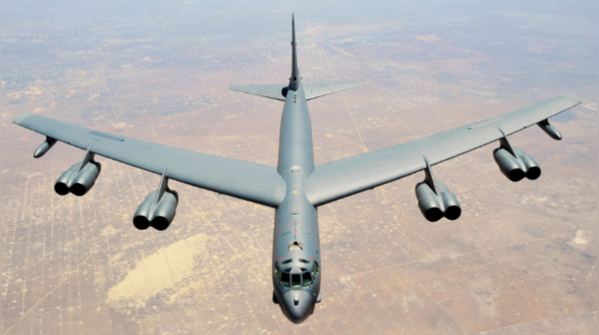
B-52 Stratofortress
The B-52 Stratofortress is a long-range subsonic strategic bomber that has been in service since the 1950s. Known for its durability and versatility, it can carry a wide range of weapons, including nuclear and precision-guided munitions, and continues to serve as a key component of US global strike capability.
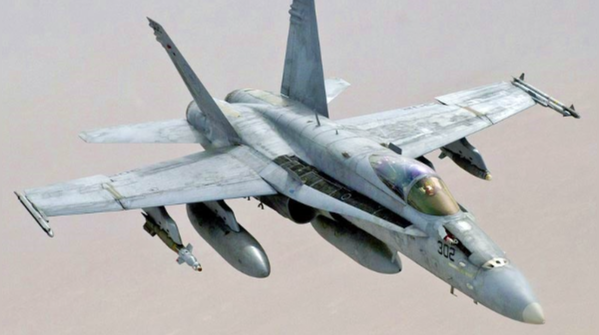
F-18 fighter jets
The F/A-18 Hornet is a twin-engine, carrier-capable multirole fighter used by the US Navy and Marine Corps. It performs both air-to-air and air-to-ground missions and is valued for its reliability, agility, and ability to operate from aircraft carriers in diverse combat roles.
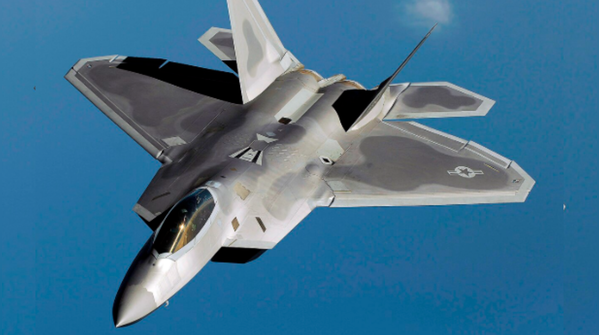
F-22 Raptor
The F-22 Raptor is a fifth-generation stealth air superiority fighter with advanced avionics, supercruise capability, and exceptional maneuverability. Designed primarily for dominance in air combat, it also has ground-attack, electronic warfare, and signals intelligence capabilities.
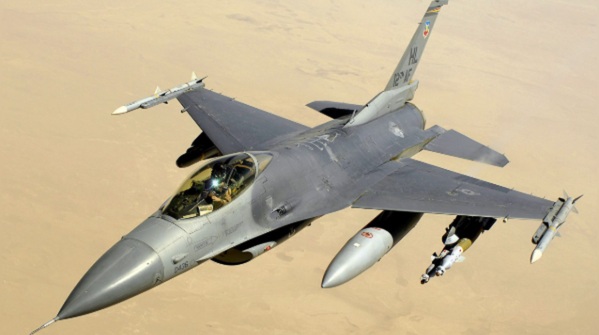
F-16 Fighting Falcon
The F-16 Fighting Falcon is a highly maneuverable, single-engine multirole fighter widely used around the world. Known for its agility and cost-effectiveness, it excels in both air-to-air combat and precision ground attack missions.
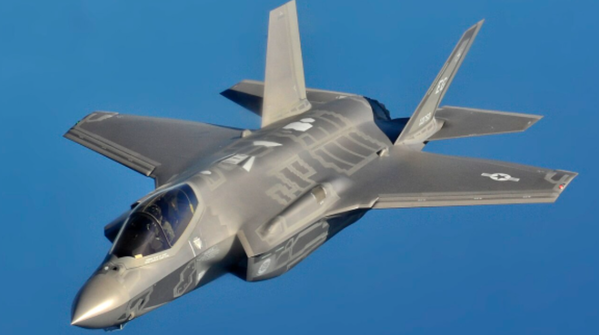
F-35 Lightning II
The F-35 Lightning II is a family of fifth-generation multirole stealth fighters with variants for conventional takeoff, carrier operations, and short takeoff/vertical landing. It integrates advanced sensors and data fusion to provide situational awareness and performs air combat, strike, and reconnaissance missions.
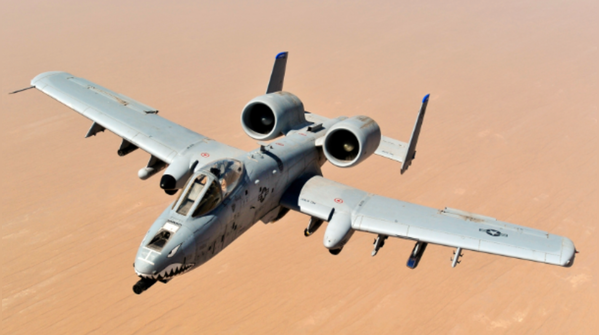
A-10 Thunderbolt II
The A-10 Thunderbolt II, often called the “Warthog,” is a heavily armored aircraft designed for close air support of ground troops. It is famous for its GAU-8 Avenger rotary cannon and its ability to loiter over battlefields and operate from rough airstrips.
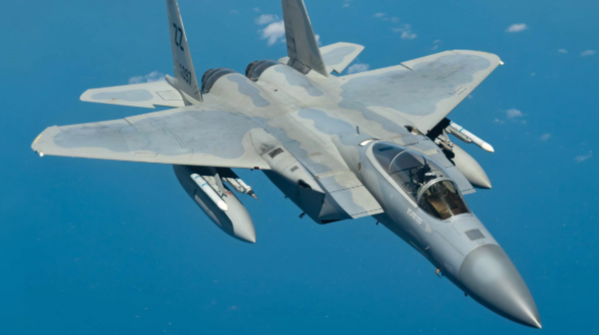
F-15 Eagle
The F-15 Eagle is a twin-engine air superiority fighter known for its speed, climb rate, and combat record with no losses in aerial combat. It has been upgraded over time and remains a powerful platform for both air dominance and strike missions in newer variants.
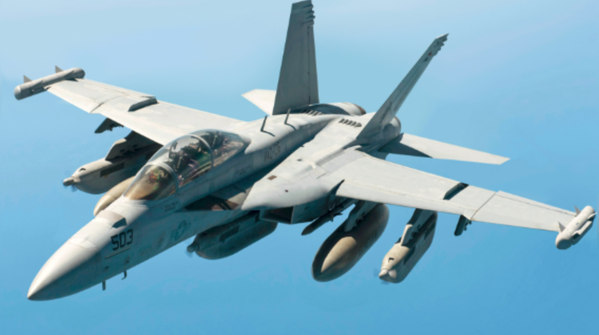
EA-18G Growler
The EA-18G Growler is an electronic warfare variant of the F/A-18 Super Hornet, designed to jam enemy radar and communications systems. It plays a critical role in suppressing enemy air defenses and supporting strike packages.
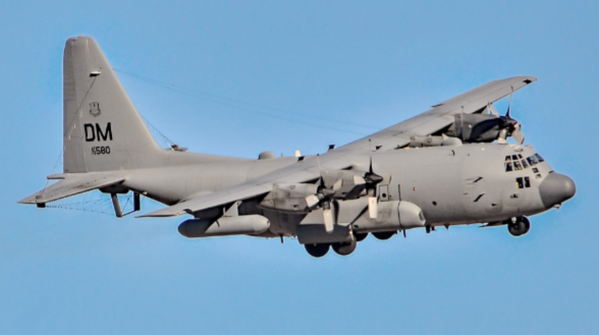
EC-130H Compass Call
The EC-130H Compass Call is a specialized electronic warfare aircraft that disrupts enemy command, control, communications, and radar systems. It is used to degrade adversary coordination and effectiveness in combat zones.
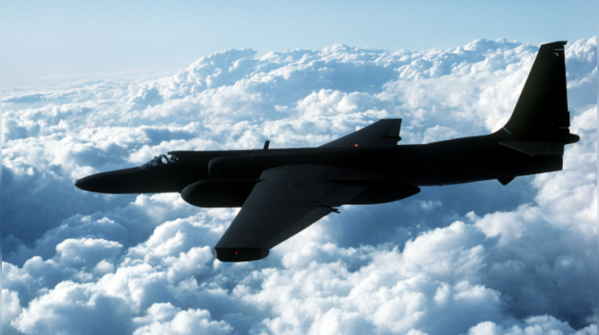
U-2 Dragon Lady
The U-2 is a high-altitude reconnaissance aircraft capable of flying above 70,000 feet to gather intelligence through advanced sensors and cameras. It has been in service since the Cold War and remains vital for surveillance missions.
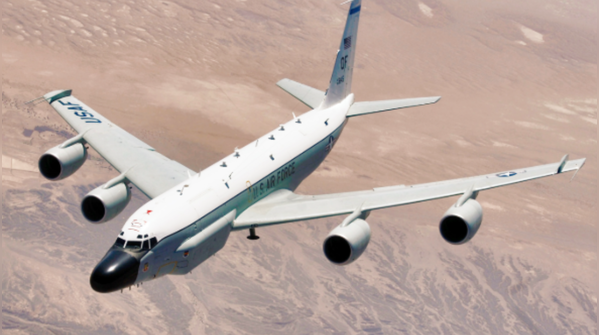
RC-135 Rivet Joint
The RC-135 Rivet Joint is a reconnaissance aircraft used by the US Air force, equipped for signals intelligence (SIGINT), collecting electronic emissions from adversaries. It provides real-time intelligence for military operations.
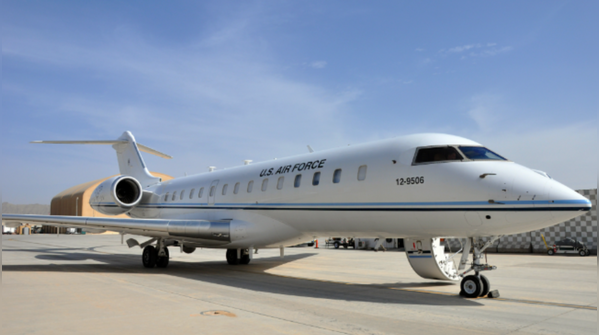
E-11A BACN
The E-11A Battlefield Airborne Communications Node (BACN) acts as a flying communications relay, bridging gaps between different military systems and units. It ensures connectivity in complex and remote battle environments.
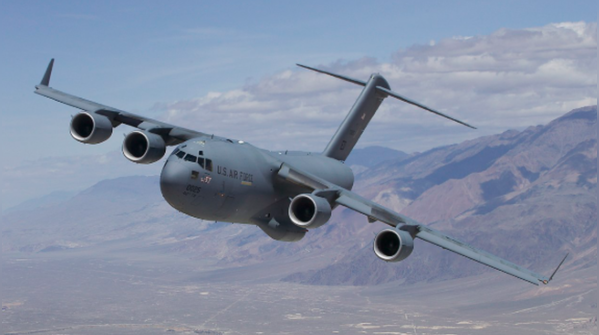
E-11A BACN
The E-11A Battlefield Airborne Communications Node (BACN) acts as a flying communications relay, bridging gaps between different military systems and units. The E-11A is a US Air Force battlefield communications aircraft, often referred to as a "Wi-Fi in the sky" node (BACN), these jets support battlefield communications for forward-deployed forces, with several in operation, primarily based in the Middle East
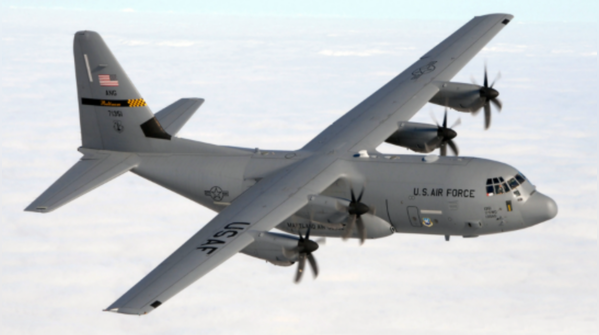
C-130J Super Hercules
The C-130J Super Hercules is an upgraded version of the C-130, designed for tactical transport missions including troop movement, cargo delivery, and special operations. It is highly versatile and capable of operating in rugged environments.
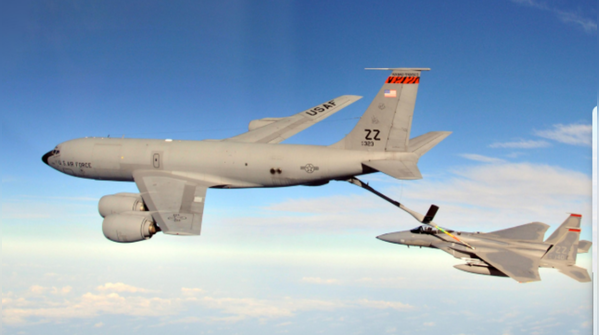
KC-135 Stratotanker
The KC-135 Stratotanker is a long-serving aerial refueling aircraft that extends the range and endurance of U.S. and allied aircraft. It also has secondary cargo and medical evacuation capabilities.
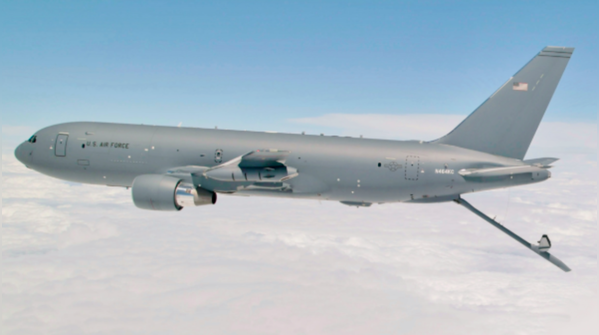
KC-46 Pegasus
The KC-46 Pegasus is a next-generation American military aerial refueling and strategic transport aircraft developed for the US Air Force to replace aging KC-135 tankers. Based on a commercial airliner design, it provides fuel to aircraft in flight while also being capable of transporting cargo, passengers, and medical patients.
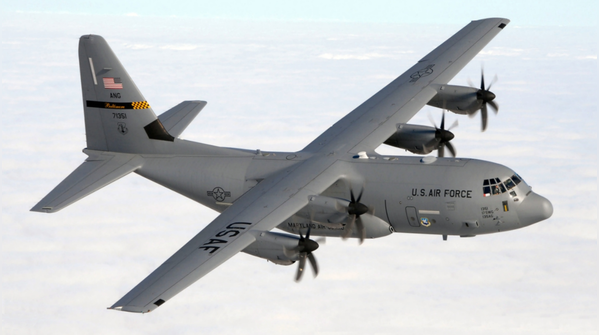
C-130 J Hercules aircraft
The C-130J Super Hercules is a medium-sized, four-engine turboprop military transport aircraft developed by Lockheed Martin as the latest variant of the C-130 Hercules. It features significant upgrades, including more powerful engines, a modernized flight deck, and advanced avionics, enhancing performance and efficiency. The C-130J is the only version of the Hercules currently in production and is widely used worldwide, with hundreds delivered to multiple operators across numerous countries.
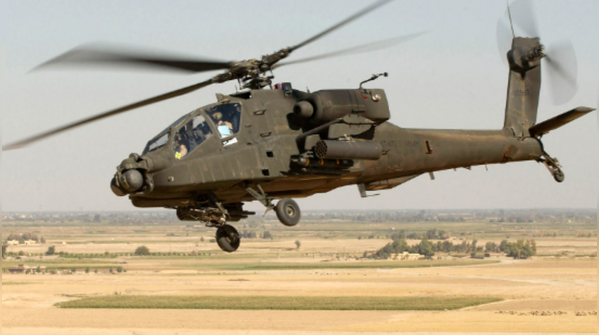
AH-64 Apache Helicopters
The AH-64 Apache is a twin-turboshaft, twin-engine attack helicopter equipped with advanced sensors, Hellfire missiles, and a chain gun. It is designed for anti-armor and close support missions and is one of the most capable combat helicopters in the world. The helicopter is powered by two General Electric T700 engines, producing high maneuverability and a top speed of around 189 mph (300 kph).
Featured In Defence

