

National Technology Day: How India became a full nuclear triad power after Pokhran
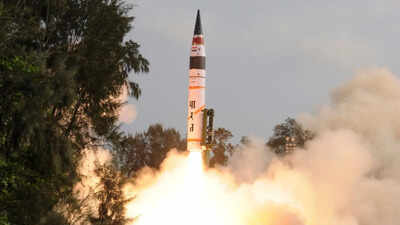
National Technology Day in India is a tribute to the groundbreaking 1998 Pokhran nuclear tests, symbolizing the nation's incredible journey in technological innovation. With a sophisticated nuclear triad now established, India stands tall with 172 warheads managed by the Strategic Forces Command, integrating air, land, and sea capabilities for unmatched security against any adversarial threats.
The nuclear triad
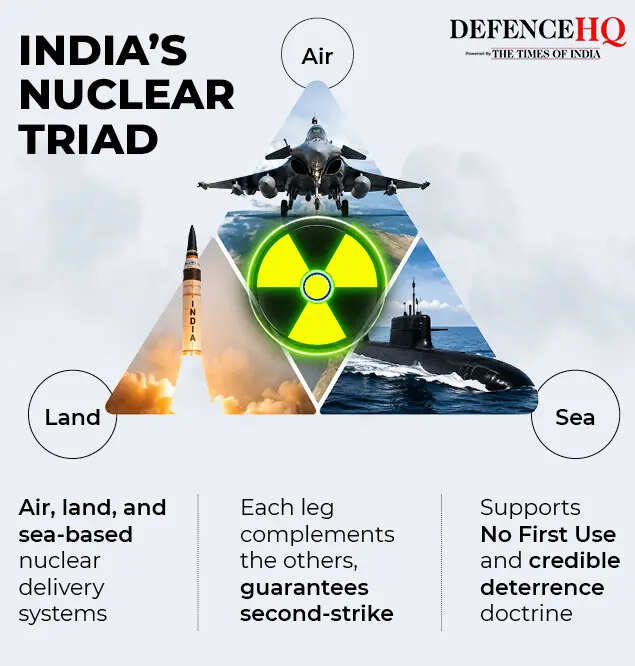
Nuclear missile submarines
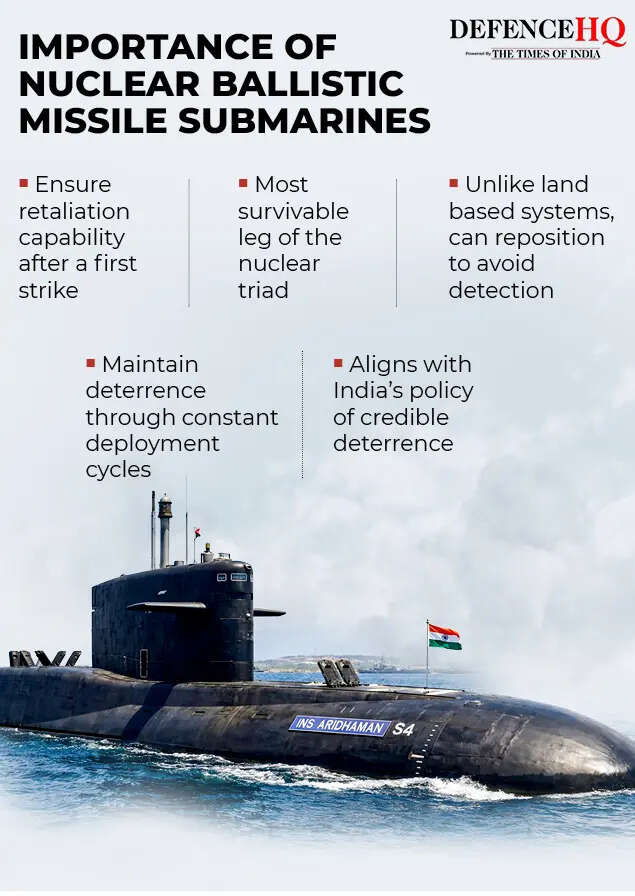
The aerial leg
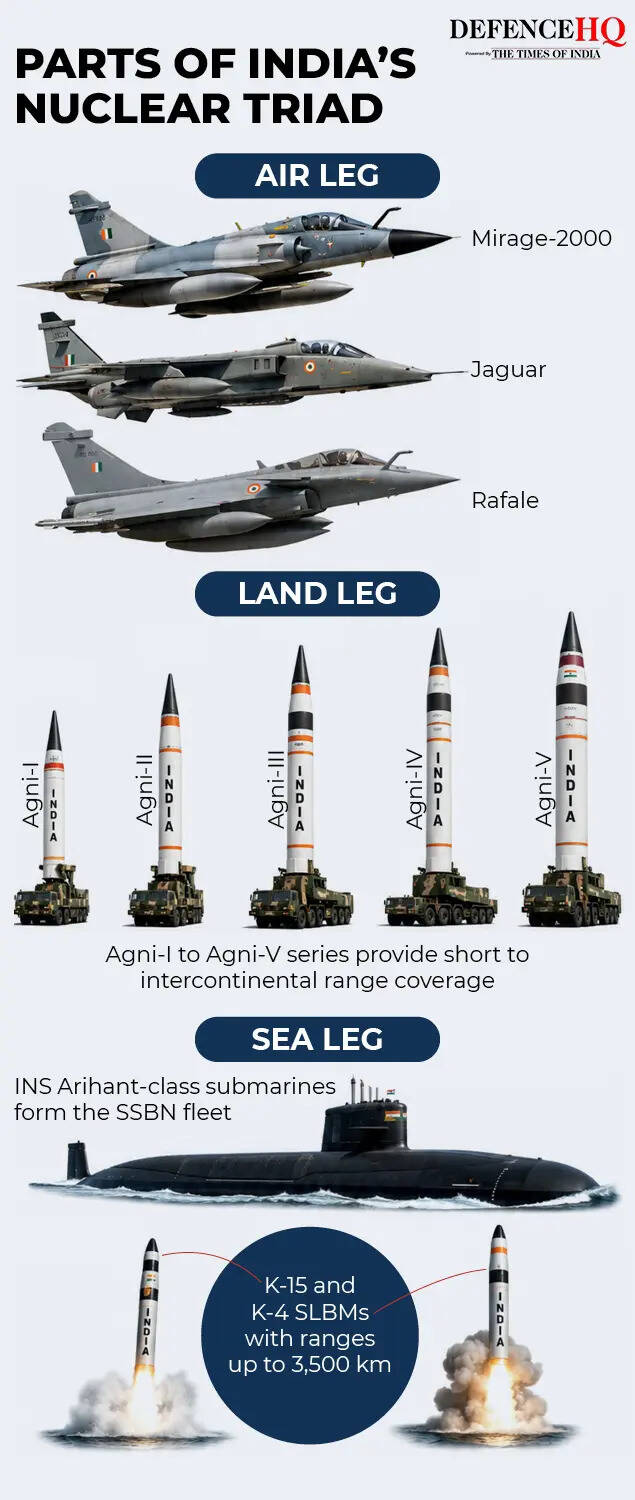
Land-based missiles
Looking ahead

About the AuthorTOI News Desk
End of Article
Tired of too many ads?go ad free now
Arsenal
- Missiles
- Tanks
- Guns
- Submarines
RS-28 Sarmat Satan II
Missiles
- RS-28 Sarmat Satan II
Russia
- Trident II D5
USA
- LGM-30G Minuteman III
USA
- RS-24 Yars
Russia
- M51.3
France
- Agni-V
India
- Hwasong-17
N. Korea
- RT-2PM2 Topol-M
Russia
- Julang-2
China
- Agni-V
India
- Agni-P
India
- K-4
India
- BrahMos
India
- Pralay
India
- Nirbhay
India
- Akash-NG
India
- Astra Mk2
India
- Rudram-1
India
- MR-SAM
India
- Iron Dome Tamir
Israel
- David's Sling Stunner
Israel
- Arrow 2
Israel
- Arrow 3
Israel
- Jericho III
Israel
- LORA
Israel
- Delilah
Israel
- Popeye Turbo ALCM
Israel
- Spike NLOS
Israel
- Python 5
Israel
- Derby
Israel
- Patriot PAC-3 MSE
USA
- THAAD
USA
- SM-3 Block IIA
USA
- SM-6
USA
- Tomahawk Block V
USA
- JASSM-ER
USA
- AIM-120D AMRAAM
USA
- BGM-109 Tomahawk Block IV
USA
- Shahab-3
Iran
- Emad
Iran
- Sejjil-2
Iran
- Kheibar Shekan
Iran
- Fattah-1
Iran
- Soumar
Iran
- Paveh
Iran
- Noor
Iran
- Khalij Fars
Iran
- Shahed-136
Iran
- Bavar-373
Iran
- Fateh-110
Iran
Russia
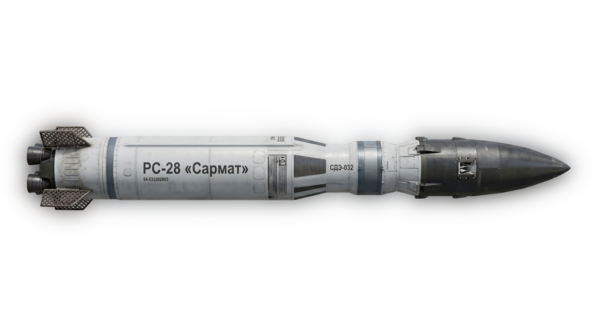
Missile
RS-28 Sarmat Satan II
Service Start
2023
Service End
Present
Range
18000 km
Defence Videos


Defence News

Defence |3 hours ago
Hezbollah's FPV drones, explained: Why Israel is struggling to counter them
Defence |an hour ago
The story behind Pokhran: How one 'peaceful explosion' in 1974 made India a nuclear power
Defence |13 hours ago
Vice-Admiral Sanjay Vatsayan appointed chief of strategic western naval command