
- News
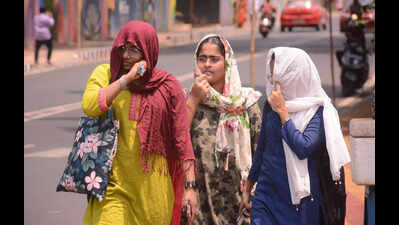
- Vizag facing hotter days, reduced night-time cooling: Study
Vizag facing hotter days, reduced night-time cooling: Study
You Can Also Check: Gold Rate in Vijayawada | Silver Rate in Vijayawada | Bank Holidays in Vijayawada | Public Holidays in Vijayawada

About the AuthorJinnala Umamaheswara Rao
End of Article
Follow Us On Social Media
Hot Picks
Top Trending
Explore Every Corner
Across The Globe
West Bengal HS Result 2026CBSE Result 2026Taylor SwiftMike VrabelIPL 2026 Orange CapKhamzat ChimaevMike VrabelSean O MalleyKyle DubasRonda Rousey vs Gina CaranoIPL 2026Connor McDavid and Auston MatthewsIPL Purple capRyan JohnsonEdmonton OilersBen Shelton and Trinity Rodman Combined Net WorthQuote of the day by Muhammad AliShubman GillIPL Orange CapAir India FlightsIPL 2026US Iran warIPL Purple Cap WinnerAir India flightsVirat KohliRCB vs KKRIPL Match TodayWest Bengal Class 12 ResultIPL Points Table 2026Minecraft Bedrock Beta Version

Hot on the Web
Roja SelvamaniDileep RajSharib HashmiNasreen HashmiJunaid KhanR MadhavanAvatar: Fire and Ash OTTJim CarreyKaruppu Advance BookingRakesh BediAlia BhattUnique Fruit TreesHotels Laundry TricksChinese ProverbRanveer SinghJames McAvoy QuoteTrisha Krishnan HouseRajasthan Luxury TrainKaruppu Movie ReviewOrthopedic Fitness TipsKaruppu ReviewBhooth Bangla Box Office CollectionPuma VS JaguarMatt BergerRatan Tata QuoteRishab ShettyEurope Summer FlightDhurandhar 2 Box Office CollectionRaja Shivaji Box Office CollectionHoroscope TodayHighest Mountains in The WorldDasia TaylorSnakes SlitherCleanest Lakes In The USBill GatesAttracts Snakes To ToiletCloudflare LayoffsJP MorganGoblin SharkNyt ConnectionsGhost Of The WoodsCaptions For Instagram Posts
Trending Topics
Zak CrawleyPR SreejeshMacneil NoronhaNTPC Recruitment 2026Varun ChakaravarthyTamil Nadu CM Vijay Floor TestWho is Saurabh DubeyKVS NVS Tier 2 Provisional Answer KeyHardik PandyaTurkish Restaurant ShootingMS DhoniVirat KohliTVK VijayMadhya Pradesh High CourtBengaluru EV ExplosionMaharashtra Aircraft crashTrump China visitNEET UG cancelledAbhishek Manu SinghviRahul GandhiAkhilesh YadavKota Govt HospitalWho is Raj SinghSuvendu AdhikariTravis KelceDianna RussiniTaylor SwiftChudthebuilder NashvilleNHL TradeCBSE APAAR ID RegistrationForza Horizon 6Powerball Lottery WinningPM ModiAnthropic's MythosMark ZuckerbergXbox Game PassGoogle DownDwayne JohnsonGarena Free Fire MAX Redeem CodesPeroxide CodesGenshin Impact Codes
Popular Categories
HeadlinesSports NewsBusiness NewsIndia NewsWorld NewsInternational SportsHealthIndian TV ShowsTechnologyTravelEtimesAstrologyDeorhiAutoTechnology NewsGold Rate TodayWeather TodaySilver Price TodayDelhi Weather TodayPetrol Price TodayDiesel Price TodayCNG Price TodayLPG Price TodayPetrol Price MumbaiDelhi AQIIs Bank Open TodayMumbai AQI TodayIs Bank Open TomorrowPublic Holidays in MayBank Holidays in May
Trending Videos
Congress Claims Assam FIR Row Is Linked To Questions Over Himanta Sarma Assets | WatchCBI Arrests Five In NEET-UG 2026 Paper Leak Case As Probe Expands Nationwide | WatchIAF’s Tejas Mk1A Move In Rajasthan Puts Pakistan On Notice; New Sky Hunter On The FrontlineU2 Takes To The Streets Of Mexico City, Films Video For Upcoming Single Vijay Reverses Astrologer Appointment After Political Backlash And Floor TestVijay Reverses Astrologer Appointment; PM Modi Orders Nearly 50% Convoy | Headlines@9‘Epstein R*P*D Me In House Arrest, Then Trump's...': Survivor’s Horror Tale Shocks U.S. LawmakersOil Leak In Gulf Waters After Iranian Drone Hits UAE Ship Near Oman - ReportIran In Delhi, Israel In India’s Arsenal: Modi Govt’s West Asia Masterstroke I Araghchi I NetanyahuVijay’s Political Image Takes A Cosmic Hit After Astrologer Row Explodes Online Putin Aide Warns West After Russia Unveils 35000 KM-Range 'BEAST' | 'We're So Closer...'Trump Faces NEW Health Scrutiny After White House Confirms 4th Medical Checkup | WATCHIDF Launches Massive Strikes On Hezbollah Rocket Infrastructure In Lebanon After Mega Israel AttackRajinikanth Reveals Nobody Recognised Him At Ashram And Internet Is Loving The Story Hegseth Gets Angry As Chris Murphy Bombards Questions Over Iran War In US SenateEPS Removes Rebel Leaders Backing Vijay Government As AIADMK Internal Crisis DeepensIran Rejects Kuwait’s Infiltration Claims, Demands Release of Detained SailorsPostmortem Reveals Massive Blood Clot In Lungs Caused Prateek Yadav’s Death | Watch
Copyright © 2026 Bennett, Coleman & Co. Ltd. All rights reserved. For reprint rights: Times Syndication Service