
Trending
Pune to mark World Bee Day with sessions on conservation, coexistence and beekeeping
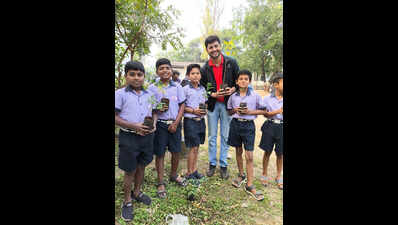
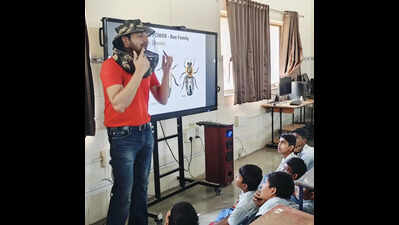
Bee conservationist Devendra Jani, founder of the Bee The Lead initiative, has been conducting educational sessions across schools, colleges, corporate spaces and housing societies to encourage coexistence with pollinators vital to biodiversity and food production
You Can Also Check: Gold Rate in Pune | Silver Rate in Pune | Bank Holidays in Pune | Public Holidays in Pune | Petrol Price in Pune | Diesel Price in Pune | CNG Price in Pune | LPG Price in Pune
End of Article
Follow Us On Social Media

Hot Picks
Top Trending
Tired of too many ads?go ad free now
Trending Stories
In Pune
In City
- Pune to mark World Bee Day with sessions on conservation, coexistence and beekeeping
- Pune horror: Four men arrested after lawyer complains of sexual harassment in car
- Higher diesel rates set to push up tender coconut prices
- One killed, two injure injured in accident at Bhosari
- Mauli Takalkar, master of taal, passes away at 99
- 81 SPPU staffers on census duty, varsity says it will cripple academics & exam work
- NCP (SP) chief Sharad Pawar calls for party meeting tomorrow in Mumbai
- Four men arrested after lawyer complains of molestation in car at Koregaon Park
- Oppn & farmers want farm loan waiver now, call CM’s talk an eyewash
- Man heals from rare fistula condition that made him choke on water
- New HC bench asks Kejriwal, 2 others to respond
- Delhi Court Cites “Unreasonable” Grounds, Rejects Umar Khalid’s Interim Bail Plea
- JD(U) MP pitches Mithila Research Institute for national recognition
- HC offers to depute inspection commitee
- Manyata flooding: Drain work 60% complete in Bengaluru’s tech park, firms given deadline till May-end
- Unauthorised passengers flood reserved coaches of Sampoorna Kranti Express
- No evidence, says Thane court; acquits man who had walked into police station and ‘confessed to murder’ four years ago
- Crypto syndicate linked to terror outfits busted, 9 held
- Season finale delight: NEUFC finish ISL campaign strong with 2-0 win; Mohammedan relegated after dismal run
- Vadaj flyover nears finish, but traffic doubts grow
Tired of too many ads?go ad free now



Explore Every Corner
Across The Globe
Aaron RodgersVaibhav SooryavanshiTN SSLC Result 2026RR vs LSG HighlightsJalen BrunsonRonda RouseyNFL Trade RumorsIND vs AFG ODI SquadWho is Ms EttaRonda Rousey Net WorthPep GuardiolaIPL Points TablePepe MartiTyson FuryJustin JeffersonIPL Points TableDianna RussiniEdmonton OilersNick MorabitoIPL 2026 Playoff PredictionRoger MooreUS Iran WarTampa BayNHL Trade RumorCardi BQuote of the day by Vince LombardiDak PrescottNFL Trade RumorStephen CurryRyan Garcia

Hot on the Web
Heatwave Protection Foods And DrinksAmit ShahRaaj KumarHarsh ChhayaRashmika MandannaParineeti ChopraYashYuvraj SinghAanjjan SrivastavIrrfan KhanBharti SinghJanhvi KapoorSalman KhanMeghan MarkleParag TyagiDipika KakarGlass Shower Screens Cleaning TipsUnique Fruit TreesKaruppu Box Office CollectionKhan SirChandranaag IdentityPopular FoodAC Room Water Bucket TipsMeta LayoffsPanchayat Season 5Anti Lizard TipsHbA1cDhurandhar 2 Box Office CollectionRaja Shivaji Box Office CollectionHoroscope TodayCuba Drone ThreatFatah 3 VS BrahmosUS Powerball LotteryRajnath SinghUAE Nuclear PlantSanjeev AroraNyt ConnectionsUmar Khalid CaseLegal Document PropertyClaim Fixed Deposit After DeathGhost Of The WoodsCaptions For Instagram Posts
Trending Topics
Ajit AgarkarLSG VS RR IPL MatchMohammad RizwanSanjiv GoenkaSBI Apprentice Recruitment 2026TG PGECET 2026Riyan ParagUK school Fraud ScandalCBSE Re EvaluationIshan KishanIndia vs AfghanistanUS Iran warWho is Harinderpal AthwalUK Pension CrisisPep GuardiolaCalifornia Mosque ShootingIPL Orange CapDonald TrumpIPL NewsIran bounty planningWho is Twisha SharmaSteve IrwinTom BradyRonda RouseyTang KaiFloyd Mayweathermike vrabel dianna russini controversyAryna SabalenkaAaron RaiFortnite V40 Release timeKitchen Chimney Cleaning HacksLip-Bu-TanGoogle I/O 2026Elon Musk Loses $150 BillionOpenAI LawsuitFlorida LotteryFuel Price HikeHonda City FaceliftGarena Free Fire MAX Redeem CodesPeroxide CodesGenshin Impact Codes
Popular Categories
HeadlinesSports NewsBusiness NewsIndia NewsWorld NewsInternational SportsHealthIndian TV ShowsTechnologyTravelEtimesAstrologyDeorhiAutoTechnology NewsGold Rate TodayWeather TodaySilver Price TodayDelhi Weather TodayPetrol Price TodayDiesel Price TodayCNG Price TodayLPG Price TodayPetrol Price MumbaiDelhi AQIIs Bank Open TodayMumbai AQI TodayIs Bank Open TomorrowPublic Holidays in MayBank Holidays in May
Trending Videos
UAE Reveals Drones Targeting Barakah Nuclear Plant Launched From Iraq, Not IranShakira Reveals The Saddest Moment Of Her Entire Life TMC MP Saayoni Ghosh Reacts After BJP Leader's Alleged Rs 1 Crore Beheading RemarkUS Clears Apache And Howitzer Support For India Despite Trump’s Pakistan Outreach64,000 Troops, Submarines & Bombers: Russia & Belarus Launch Massive Nuclear Readiness DrillsUkraine's Drone Firepower Boost Hits Russia Hard: Is Trump Retaliating To Punish Putin Over Iran?Kangana Ranaut’s Viral Reaction To Twisha Sharma Case Has Internet Deeply Divided Pakistan Gets Praise. India Gets Apaches. Trump's $428M Defence Deal Tells The Real Story‘The World Needs More Sambandh’: Iceland PM Kristrún Frostadóttir Praises PM Modi At Oslo SummitTMC Candidate Jahangir Khan Exits Falta Re-Poll Race 2 Days Before Voting | Headlines@9TMC Candidate Jahangir Khan Pulls Out Of Falta Re-Poll 2 Days Before Voting | Headlines@9Out On Bail, Rape Accused Gets Grand Welcome In UP's GhaziabadDisturbing Video Allegedly Showing San Diego Mosque Shooters’ Final Moments Goes VIRAL'Don't Fall Into Zionist Trap': Iran's CHILLING Warning To Trump Amid Explosions Near HormuzNATO Enters Ukraine War? Putin Fumes After Claims Kyiv Used Latvia To Strike Russian CitiesKanpur: ITBP Soldier Carries Mother’s Severed Hand to Police HQ After Alleged Hospital NegligenceMeghan Markle Celebrates 8 Years With Harry By Releasing Private Wedding PhotosFrom Islampura Back To Krishan Nagar: Pakistan Moves To Restore Lahore's Pre-Partition Names
Latest News
Hazaribag man drowns while fishing in lake"Behen Darr Gayi!": Fans relive ‘Bhagam Bhag’ era after watching Akshay Kumar's 'Bhooth Bangla' trailerMBOSE HSLC result 2026 to release tomorrow: Check details hereIran war risk: JPMorgan CEO Jamie Dimon warns of oil shocks, sticky inflation and higher interest ratesMake your clutch last longer with these easy driving tips“Three-against-one situation”: El Rubius opens up on being “targeted” in MrBeast’s viral $1M challengeBihar BTSC lab assistant notification released for 1091 posts at btsc.bihar.gov.in; apply hereIPL craze costs techie Rs 1.46 lakh in fake RCB vs CSK ticket scamRaising “robot-proof” kids: Why creativity and curiosity matter more than everInside ‘Satguru Sharan’: Exploring Saif Ali Khan and Kareena Kapoor Khan’s Rs 100 crore Bandra homeHow selling Alaska in 1867 was a costly mistake for Russia'Hera Pheri 3 is coming': Paresh Rawal dismisses delay reports and reveals he will 'start shooting soon'US-Iran War: A daring rescue Hollywood blockbuster is on its way. Till then, pick your favourite from these 10 films on bringing someone home against all oddsKolkata team unveils fan mural at Rash Behari Avenue, celebrating city’s first loveHow US spread a lie to rescue a pilot of a jet shot down in IranNetflix unveils ‘VOID’, an AI model that can change a movie plotAI data centers are causing 'stress' not just to tech companies, but also private insurers"Trans women are.....": Clavicular’s viral moment with trans women sparks fresh conversation on internet culture
Copyright © 2026 Bennett, Coleman & Co. Ltd. All rights reserved. For reprint rights: Times Syndication Service