
- News
- City News
- mumbai News
- The bottlenecks still plaguing Mumbai-Goa national highway
The bottlenecks still plaguing Mumbai-Goa national highway
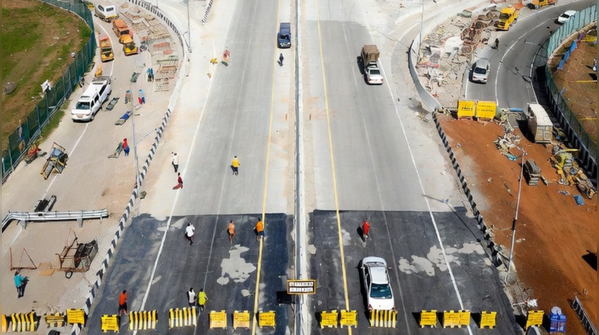
Long-Delayed Highway Widening
The Mumbai-Goa national highway, vital for traffic between Mumbai and the Konkan region, has faced repeated delays. Work to widen the existing two-lane road to four lanes began in 2013, but ongoing construction at flyovers and bypasses continues to slow progress, frustrating commuters and logistics operators alike. (PHOTO CREDIT:AI)
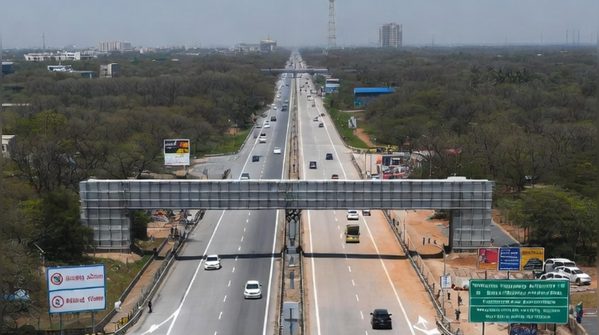
Panvel-Kasu-Indapur Stretch Nearly Complete
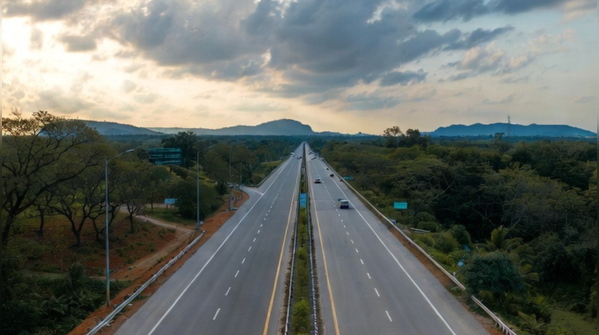
The 84km Panvel-Kasu-Indapur section has largely been completed, offering smooth driving conditions. Managed by the National Highways Authority of India, this portion allows uninterrupted travel, but beyond Indapur, highway conditions deteriorate due to incomplete bypasses and ongoing construction, affecting overall Mumbai-Goa journey times. (PHOTO CREDIT:AI)
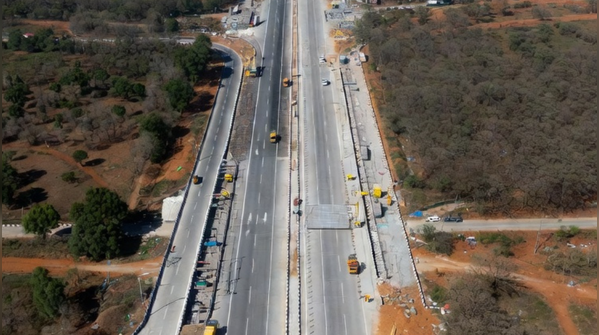
Indapur-Zarap Stretch Challenges
The Indapur-Zarap stretch spans nearly 470km and remains the main hurdle for highway users. This section faces delays due to pending work on key bypasses and flyovers. Construction in this part of the highway directly impacts travel efficiency, keeping journey times higher than originally projected despite improvements on other sections. (PHOTO CREDIT:AI)
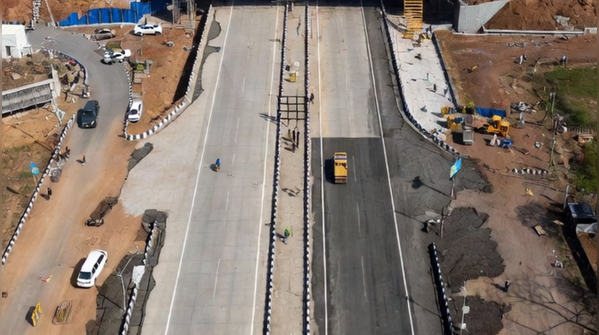
Bypasses Behind Schedule
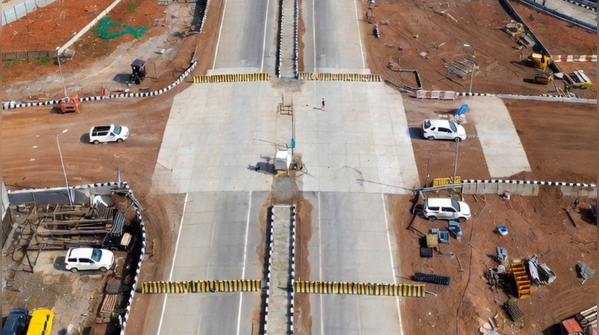
The 3km Indapur bypass and the 7km Mangaon bypass, originally part of the project plan, were not completed on time. Fresh tenders had to be issued, causing further delays. Construction has now started, but completion is expected only by March 2027, restricting travel speed and convenience for long-distance drivers. (PHOTO CREDIT:AI)
Flyover Construction Near Ratnagiri
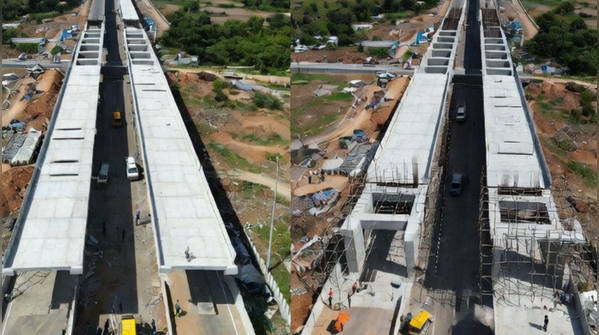
Four flyovers—at Lanja, Nivali, Pali, and Sangameshwar—each approximately 800m long, are under construction near Ratnagiri. Work on these flyovers is progressing, with officials expecting completion within four to six months, which will ease congestion at these points and improve safety for vehicles passing through the area. (PHOTO CREDIT:AI)
Current Travel Time Remains High
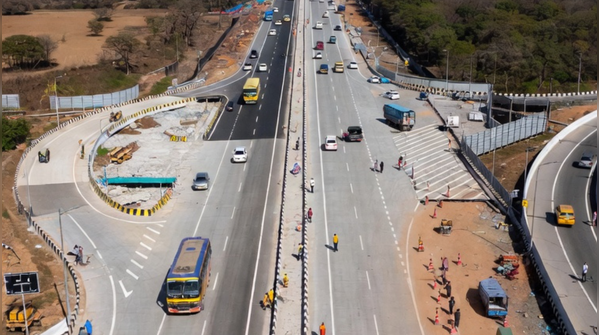
Despite partial completion of the highway, travel between Mumbai and Goa currently takes eight to nine hours. Once all bypasses and flyovers are finished, journey time is expected to reduce. Until then, commuters and transporters must contend with construction zones and slower traffic in unfinished stretches of the highway. (PHOTO CREDIT:AI)
Active Construction Zones Cause Congestion
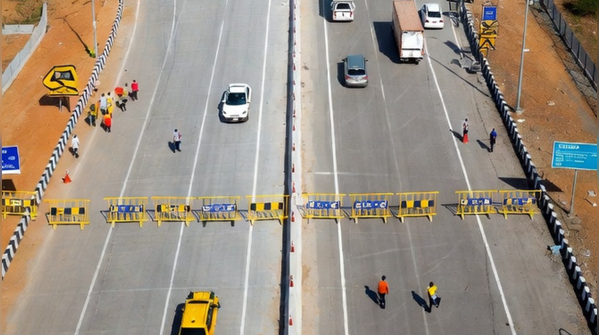
Traffic congestion is primarily limited to zones where construction is ongoing, such as flyovers and bypass roads. Service roads have been implemented near these sites to help vehicles move, but slowdowns persist. Outside these active areas, the highway allows relatively smooth travel for cars, trucks, and buses. (PHOTO CREDIT:AI)
Highway Condition Not Uniformly Poor
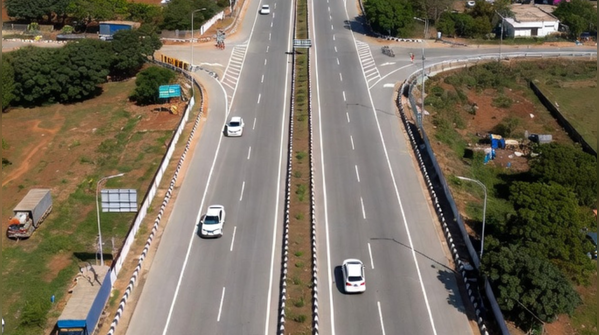
Officials emphasise that while certain stretches are under construction, much of the highway remains in good condition. Panvel to Goa can be navigated without major issues, except for areas around bypasses and flyovers. Drivers are advised to plan for delays primarily at construction hotspots rather than throughout the entire route. (PHOTO CREDIT:AI)
Commuter Documentation Highlights Gaps
A 29-day survey along the Mumbai-Goa highway documented current hazards and areas needing attention. The exercise highlighted active construction zones, missing infrastructure, and potential solutions to improve travel safety and efficiency. Reports submitted provide a roadmap for prioritising work and addressing bottlenecks in remaining unfinished stretches. (PHOTO CREDIT:AI)
Completion Timeline
The completion of all flyovers and bypasses, including the delayed Indapur and Mangaon bypasses, is expected by March 2027. Once finished, travel time between Mumbai and Goa could reduce from the current eight to nine hours to around six hours, fulfilling the original promise of a faster, safer highway for commuters. (PHOTO CREDIT:AI)
Featured In City

