
- News
- City News
- mumbai News
- Pune–Mumbai high-speed rail: The mega project that could cut travel time by an hour
Pune–Mumbai high-speed rail: The mega project that could cut travel time by an hour
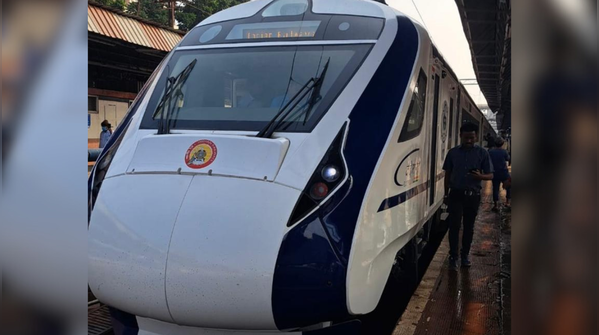
High-Speed Rail Corridor Plan
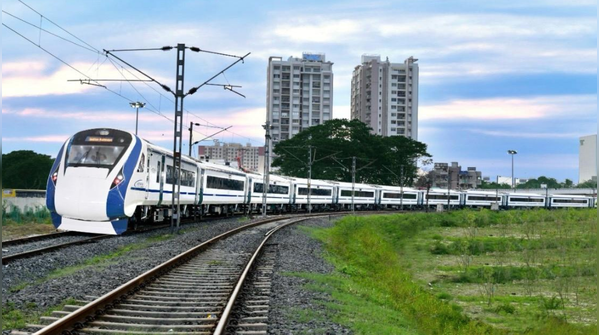
A high-speed railway corridor connecting Pune with Mumbai and Hyderabad has been proposed to improve long-distance rail connectivity. The project aims to significantly reduce travel time and ease pressure on existing road and rail infrastructure
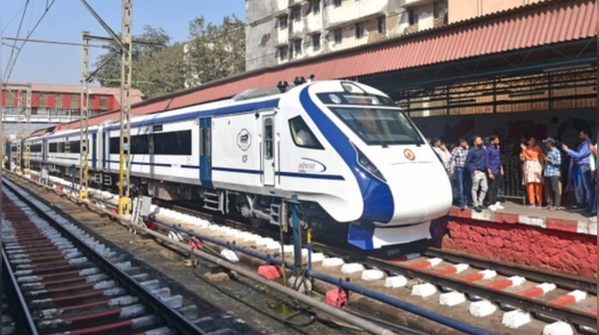
Major Engineering Challenge Ahead
The project involves complex tasks such as large-scale land acquisition, laying modern high-speed tracks, installing advanced signalling systems, and ensuring robust safety measures to prevent accidents across the corridor.
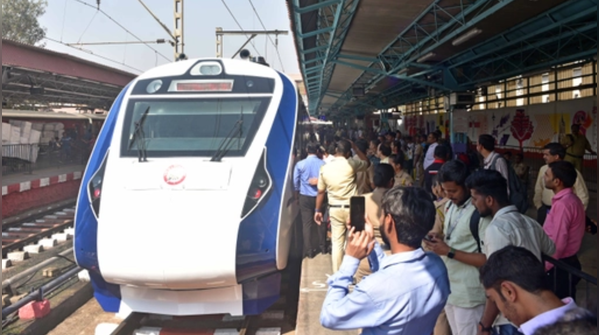
Not Part of Bullet Train Project
Railway officials clarified that this high-speed corridor is separate from the bullet train initiative. It will follow a different planning and execution framework, tailored specifically to regional connectivity and commuter needs.
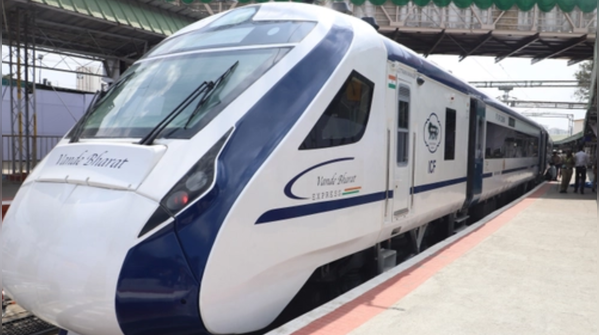
Land Acquisition a Key Hurdle
Officials acknowledged that land acquisition will be the most time-consuming and challenging aspect. Many rail projects nationwide have faced delays due to this issue, making timelines uncertain at this stage.
DPR to Be Prepared First
Before any construction begins, a Detailed Project Report (DPR) will be prepared. The DPR will outline technical feasibility, costs, alignment, and timelines, and will precede the start of the land acquisition process.

Part of Larger National Network
The Pune–Mumbai–Hyderabad corridor is envisioned as part of a broader high-speed rail network linking multiple major cities across the country, enhancing intercity travel efficiency and economic integration.
Relief for Expressway Commuters
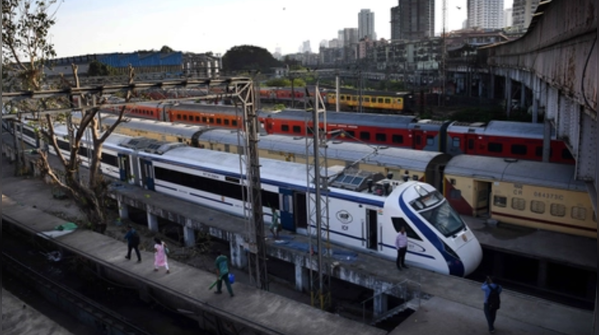
Commuters believe the project is essential due to frequent traffic jams and accidents on the Mumbai–Pune expressway. The high-speed rail corridor is expected to reduce journey time by at least an hour.
Support From Rail User Groups
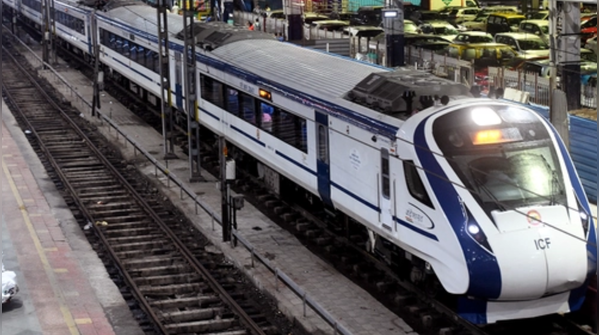
Railway user committee members have welcomed the proposal, stressing the need for priority implementation. They emphasized a time-bound approach to ensure the project does not face prolonged delays like earlier initiatives.
Current Rail Capacity Constraints
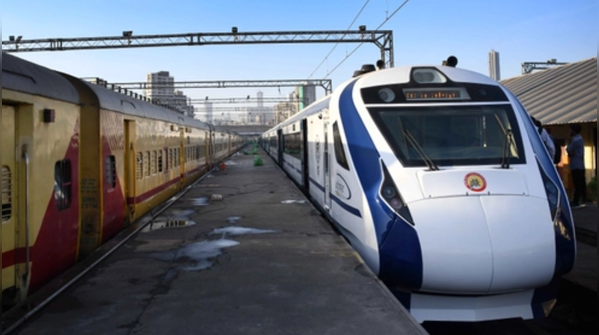
The Mumbai–Pune rail stretch spans 191 km, with trains operating at a maximum speed of 110 kmph. There are 86 daily train movements between the cities, including several services extending towards Hyderabad.

Long History of Delayed Projects
Several infrastructure projects connecting Pune and Mumbai—such as railway line expansions and expressway upgrades—have faced delays or remain incomplete, highlighting the importance of timely execution of the new high-speed rail plan.
Featured In City

