
- News
- City News
- mumbai News
- Mumbai-Pune Expressway finds its ‘missing link’: India’s longest road cable-stayed bridge to open on May 1
Mumbai-Pune Expressway finds its ‘missing link’: India’s longest road cable-stayed bridge to open on May 1
Pune–Mumbai Expressway’s ‘Missing Link’ opens May 1
After years of delays and engineering challenges, the much-anticipated Missing Link stretch on the Pune–Mumbai Expressway is finally set to open on May 1, marking a major upgrade for one of India’s busiest inter-city routes.
(All image credits: Afcons Infrastructure Ltd and MSRDC)
What is the Missing Link?
The 13.3-km Missing Link is a newly built section on the Mumbai–Pune Expressway that connects Khopoli on the Mumbai side to Kusgaon near Lonavla. It has been designed to bypass the old Khandala ghat stretch, a winding and congestion-prone route that has long slowed down traffic and posed safety risks.
Travel time advantage
With the opening of this new alignment, travel time between Pune and Mumbai is expected to reduce by at least 30 minutes. During peak hours or holiday rush, the time savings could be even higher. The new stretch also shortens the overall distance by around 6 km, making journeys quicker, smoother and more predictable.
No extra toll for users
Despite the scale and cost of the project, commuters will not be required to pay any additional toll to use the new stretch. The existing toll system at Talegaon and Khalapur will remain unchanged, ensuring that users benefit from faster travel without an added financial burden.
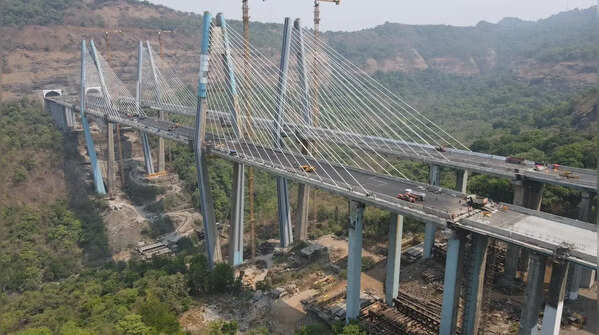
Massive engineering effort
Built at a cost of around Rs 6,695 crore, the project has been under development since 2019. It gained momentum after the Covid-19 slowdown but faced multiple delays due to extreme weather conditions in the ghat section, including heavy rainfall and strong winds, along with supply disruptions linked to global factors.
Record-breaking tunnels
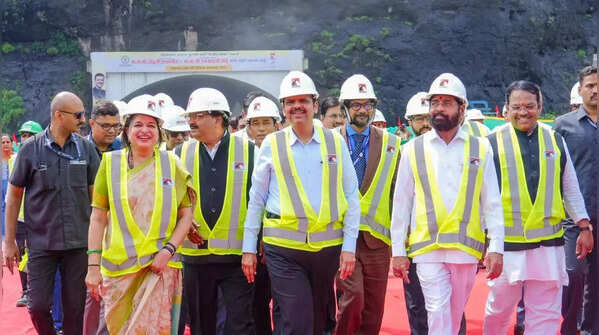
One of the most striking features of the project is its twin tunnels. The longer tunnel stretches 8.9 km, making it one of the longest road tunnels in Asia, while the second tunnel is 1.9 km long. Both are built with a width of 23.5 metres, which could earn the project a place in the Guinness World Records for the widest road tunnel.
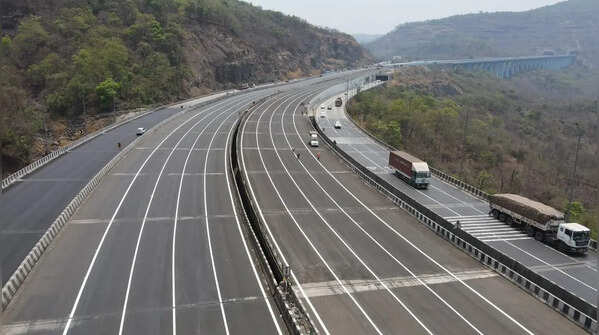
Why the project matters
The existing Khandala ghat section has long been a bottleneck due to its steep gradients and sharp curves. By diverting a significant portion of traffic onto the new route, the Missing Link is expected to reduce congestion on the old stretch by up to 70%, improving overall traffic flow on the expressway.
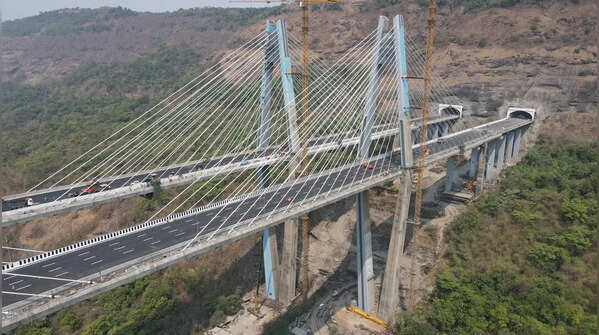
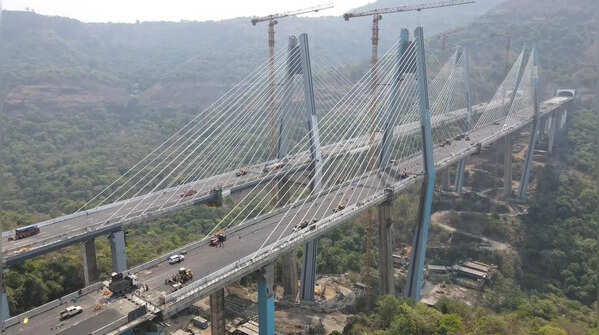
Iconic Tiger Valley bridge
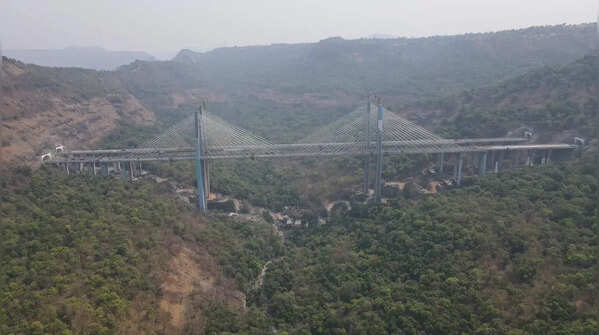
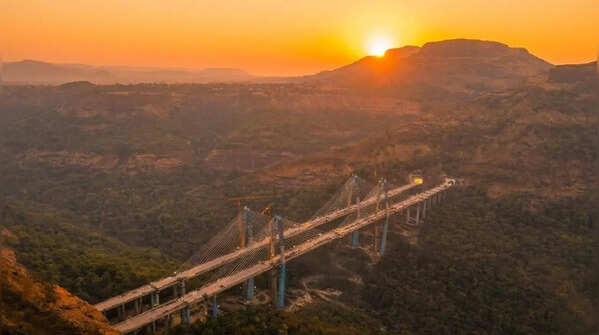
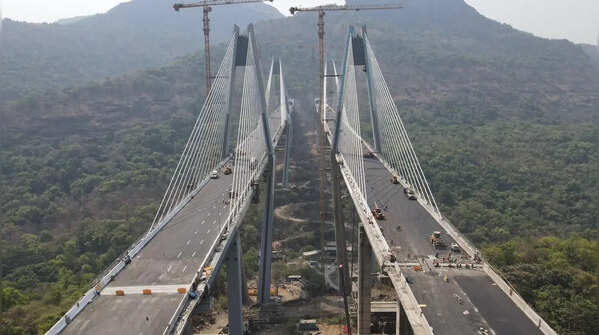
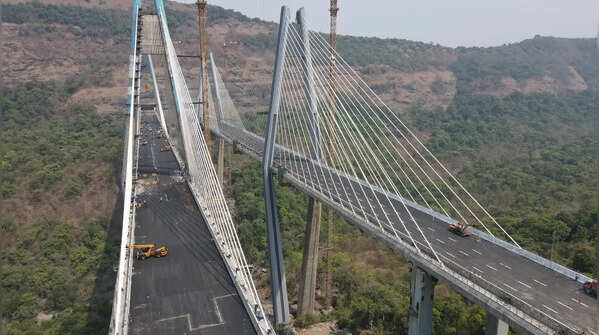
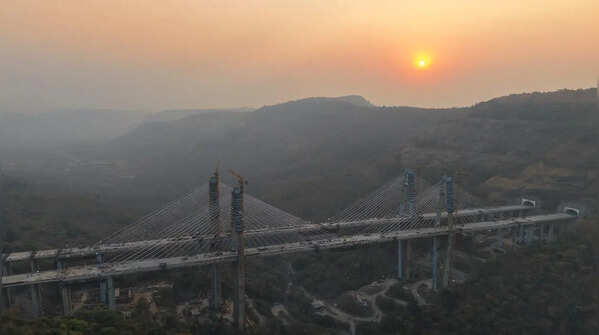
The Missing Link also includes a 650-metre cable-stayed bridge constructed over Tiger Valley. Rising more than 180 metres high, it is among the tallest road bridges in India. Built using advanced techniques like jump formwork, the bridge stands as a major engineering achievement within the project.
Limited access in first phase
Authorities have decided to allow only cars and buses on the Missing Link during the first six months of operations. Heavy vehicles and those carrying hazardous materials will continue to use the existing ghat section. This phased rollout is aimed at studying traffic behaviour and ensuring safety before expanding access.
What lies ahead
The Missing Link will be inaugurated on Maharashtra Day by chief minister Devendra Fadnavis. Authorities will closely monitor traffic and safety conditions in the initial months before deciding on allowing goods vehicles. The project is also expected to gain international recognition for its scale and design.
(All image credits: Afcons Infrastructure Ltd and MSRDC)
Featured In City

