
- News
- lifestyle
- home-garden
- Hantavirus alert: Could your kitchen attract rodents? Everyday mistakes that invite rats indoors
Hantavirus alert: Could your kitchen attract rodents? Everyday mistakes that invite rats indoors

Hantavirus alert: Could your kitchen attract rodents? Everyday mistakes that invite rats indoors
With growing global conversations around Hantavirus, health experts are reminding people that simple household habits can unknowingly attract rats and mice indoors. According to the World Health Organization and CDC, hantaviruses are predominantly transmitted via contacting with infected urine, feces, saliva, or dust from the rodents. In spite of relatively rare cases of diseases, prevention begins at home, particularly in kitchen, storerooms, pantries, and other places of house which may attract rats due to presence of food. Here’s a look at everyday mistakes that invite rats indoors:-
(Photos from Shutterstock)

Foods left open overnight
Probably, one of the most common mistakes made by people who are trying to prevent attracting rodents consists in leaving fruits, bread, snacks, pet foods, or leftovers unguarded on kitchen counters. Rats and mice have developed an outstanding sense of smell and can easily detect any food in households.
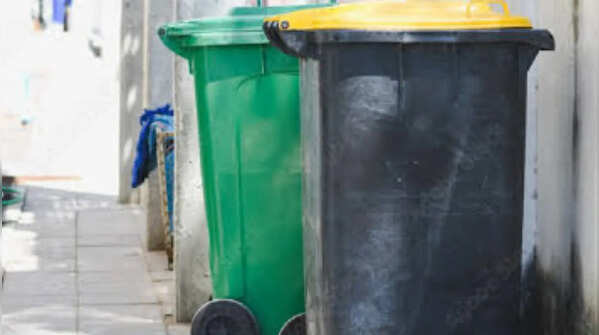
Not closing the lids on garbage cans
Spilled garbage and opened garbage cans are some of the most common factors that invite rats to come into the kitchen. Rats are particularly attracted to leftover food that contains oils, meats, or grains. Regular garbage removal and securing the bins is crucial to avoiding rodent infestations.
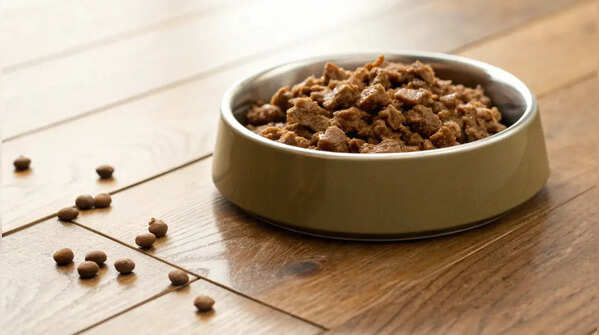
Leaving pet food out for too many hours
When the food bowls are left out overnight, there is no guarantee against the attraction of rats. Rat experts agree that dry pet food serves as a tempting food source for rodents.
Some of the easiest and most effective methods of limiting the presence of rodents in the household include maintaining cleanliness in the kitchen, sealing food items properly, minimizing messes, repairing leakages, and cleaning rodent-infested areas without posing risks. Experts consistently emphasize that staying away from rodent droppings is the surest way to prevent hantavirus infections.
Disclaimer: The information provided here is for general awareness and is not intended as a substitute for professional advice. Always seek appropriate medical guidance for any concerns related to hantavirus infection or symptoms.
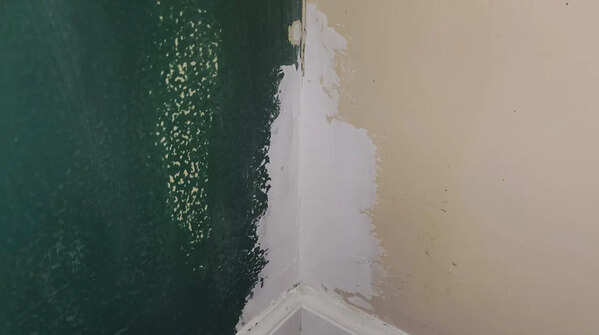
Neglecting small leaks and moist corners
Leaking pipes below the sink, moist corners in the kitchen, and puddles around cutlery provide a welcoming habitat for rodents. Since rats need regular access to water, humid corners frequently act as nesting grounds. Even a dripping tap can induce rodents to spend more time indoors.
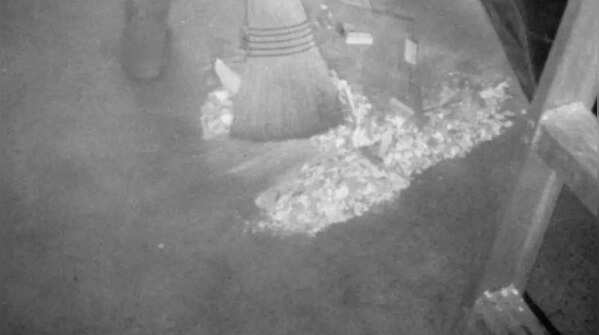
Dry sweeping up rat droppings
According to professionals, sweeping dryly or using a vacuum cleaner to clean up rodent droppings can lead to their contamination of the air. Professionals advise spraying the droppings with a disinfectant prior to cleanup.

Storing clutter in kitchen cabinets
Clogged drawers, abandoned cardboard boxes, newspapers, and overflowing pantry shelves provide rodents with secluded nesting spots to breed in. Rodents generally favor dark and untouched locations that have close proximity to their food source. Regular de-cluttering of storage cabinets helps deter rodents from breeding in the premises.

Neglecting to seal off small gaps
People often believe that rats invade through big openings, while in reality, mice can even squeeze through gaps the size of coins. Cracks near the pipes, damaged vents, gaps under doors, and cracks behind fridges and cabinets often serve as entrances for rodents. Health organizations recommend sealing all gaps and openings to keep rodents out of homes.
Featured In lifestyle

MORE FROM ETIMES
life & style