
- News
- 5 fabrics that can irritate your skin in summer and the right way to choose correct fabric
5 fabrics that can irritate your skin in summer and the right way to choose correct fabric

Fabrics that can irritate your skin in summer
Most women love to dress up and experiment. However, little is discussed about the damage fabrics can cause to a person's health. Summer heat can already make skin sticky, sweaty, and uncomfortable. But did you know that the fabric you wear can also impact the health of your skin? Some fabrics retain heat and moisture. Some fabrics can be itchy and irritating, causing redness, particularly for people with sensitive skin or conditions such as atopic dermatitis.
A study published by the National Library of Medicine and listed on PubMed reveals that some fabrics can aggravate skin discomfort when it’s hot outside. Synthetic and coarser materials are often less breathable and can increase irritation, while soft cotton fabrics are generally better tolerated.
Here are five fabrics that may not be the best choice for your skin during summer.

Polyester: traps heat and sweat
Today’s clothing includes one of the most popular types of synthetic fabric, polyester. It is popular because it is durable and wrinkle-resistant, but it may not be very comfortable in extreme heat.
The fabric appears to hold sweat and heat close to the skin, making the body feel hotter. Itching, rashes, and discomfort can occur when sweat is unable to evaporate properly. Polyester is a fabric that can irritate even the most sensitive skins, especially after a full day’s wear during the summer months. Tight polyester clothing can also add to the friction and further irritate the skin.

Nylon: less breathable for hot weather
Another synthetic material widely used in sportswear, innerwear, and fitted clothing is nylon. It is light in weight, but not breathable enough to keep the skin cool. Research has found that synthetic fibers such as nylon can trap moisture against skin. Sweat trapped can form a warm, damp environment that can be irritating and uncomfortable for the skin. Nylon can feel scratchy and uncomfortable in warm weather for anyone who already has eczema or atopic dermatitis.

Wool: known to cause itching
Wool is generally associated with winter apparel, but some lightweight wool blends are also used in fashion apparel. But studies have shown again and again that wool can cause itching and irritation, especially in people with atopic dermatitis. The wool fibers are coarse and may rub against the skin, causing discomfort. Thick or coarse wool can make the skin itchy, warm and irritated especially mixed with sweat in the summer. People with sensitive skin are often advised by experts not to come into direct contact with woolen clothing.
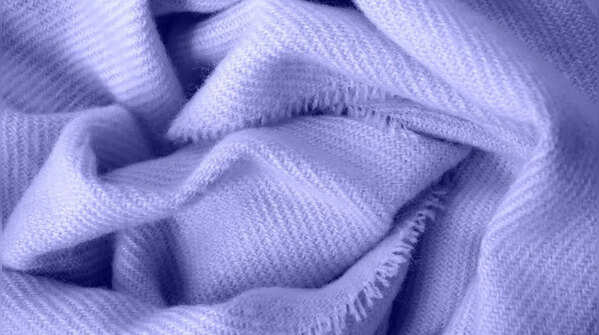
Acrylic: warm and uncomfortable
Acrylic is a man-made fabric and is often used as a less expensive alternative to wool. It may seem soft, but it is usually less breathable than natural fabrics. In summer, you may feel hotter in acrylic clothing because it traps heat and restricts airflow. This can lead to increased sweating, and the skin can feel uncomfortable for long periods of time. Acrylic fabrics may be itchy for sensitive skin and in warm weather, may cause redness or itching.

Heavy denim and thick woven fabrics
Heavy denim jeans and thick woven fabrics may seem fashionable, but these are not always skin-friendly in summer. Thick fabrics hold heat close to the body and impede air flow, which lessens the evaporation of sweat. It can irritate the skin, especially where the material rubs against the body. And in humid weather, tight, heavy clothes can make your skin feel like it can’t breathe.

What research says about fabric and skin health
A controlled clinical trial indexed in PubMed found synthetic shirts to be more irritating than cotton shirts for patients with atopic dermatitis. Another evidence-based review reported that wool fibers of large diameter can cause itching and aggravate irritation.
Research also shows that the type of fabric can have a direct effect on the degree of symptoms in people with sensitive skin conditions. Some studies touched on specially treated silk and antimicrobial fabrics, but experts said more research is needed before strong conclusions can be made.

Why cotton is often a better choice
Cotton is generally regarded as one of the best summer fabrics because it is soft, breathable, and absorbs sweat well. It lets air through, so the skin stays cooler and drier. If you have sensitive skin or atopic dermatitis, cotton clothing can help reduce irritation and make you more comfortable in hot weather.
The right fabric choice in summer is not just a fashion statement; it is also skin comfort and health. Materials such as polyester, nylon, wool, acrylic, and heavy denim trap heat, reduce airflow, and can further irritate, especially sensitive skin. Using light and breathable fabrics like cotton is the best way to keep the skin cool and comfortable during the hottest months of the year.
Featured In

