
- News
- lifestyle
- travel
- destinations
- 5 most venomous sea snakes travellers should know about
5 most venomous sea snakes travellers should know about
5 most venomous sea snakes travellers should know about
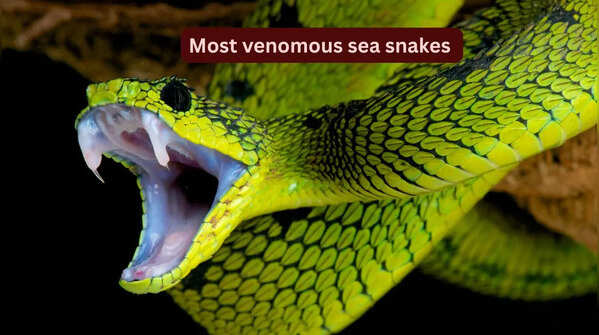
The U.S. is renowned for its beach destinations known for vibrant coral reefs, and world-class diving spots. These places attract thousands of travellers and sea adventurers every year to the country. For travellers wanting to explore Hawaii, Guam, and other Pacific destinations, it is important to understand that these fascinating creatures can appear in the waters. While shark encounters often dominate headlines, one of the ocean's most overlooked creatures is the sea snake.
Here’s are top five venomous snakes:
Yellow-Bellied Sea Snake
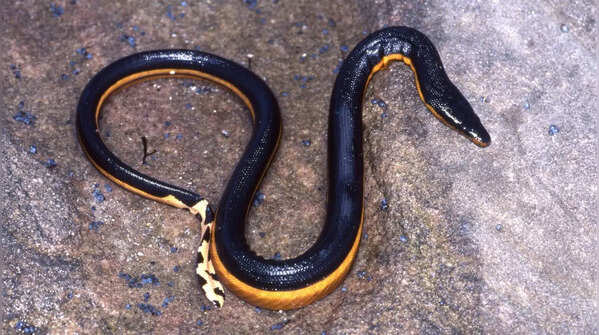
The Yellow-bellied Sea Snake is the only true sea snake documented in U.S. waters. As per several local reports, it has been spotted around Hawaii on numerous occasions. Sometimes, ocean currents carry them in Southern California. The species is easily identified by its dark upper body and bright yellow underside. If ever spotted, travellers must avoid touching it. Hawaiian authorities keep warning beachgoers to keep their distance.
Yellow-Lipped Sea Krait
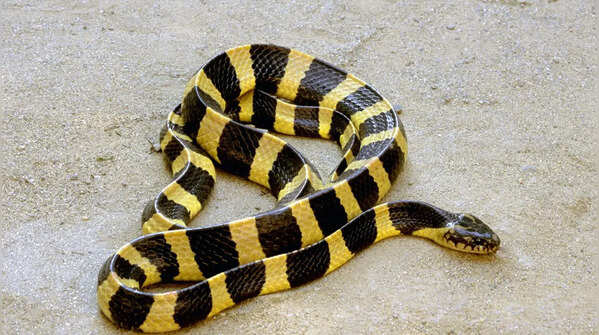
Though not found in mainland U.S. waters that often, the Sea Krait may be seen in Pacific islands, including Guam and other western Pacific destinations. Its venom is highly toxic. But the good thing is the snake is generally calm. It rarely bites unless irritated.
Olive Sea Snake
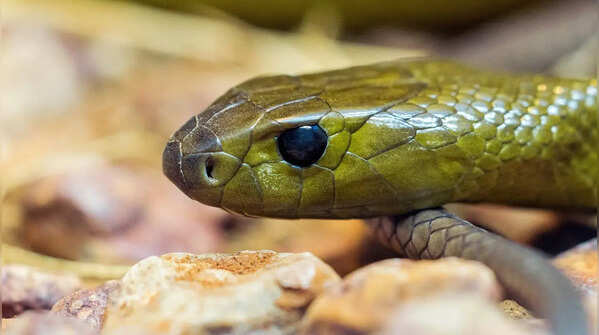
Olive Sea Snake can be spotted around coral reef systems in the Indo-Pacific. The Olive Sea Snake is among the largest sea snake species and can reach up to six feet in length. Although highly venomous, it is mostly curious. Divers occasionally report spotting.
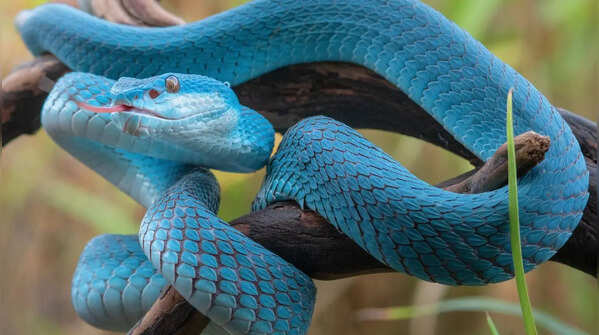
Blue-Lipped Sea Krait
Then there is Blue-Lipped Sea Krait which is also highly venomous and is found throughout parts of the tropical Pacific. It is known for its distinctive blue-grey bands. Marine biologists consider it one of the ocean's most effective predators. For snorkellers and divers, it is suggested to admire from a distance.
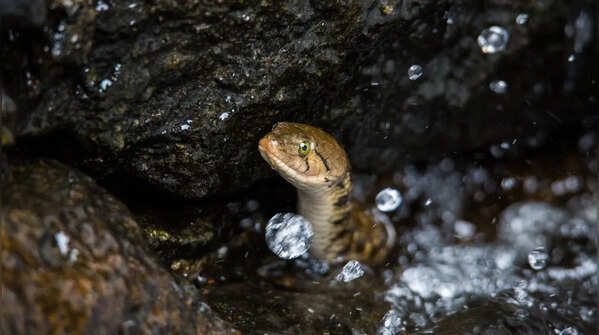
Dubois' Sea Snake
Widely regarded as one of the most venomous sea snakes in the world, Dubois' Sea Snake inhabits reefs and lagoons across the Indo-Pacific region. Fortunately, its behaviour is typically shy and reclusive. The snake spends much of its time hunting fish.
The good news is that sea snakes are responsible for very few injuries across the globe.
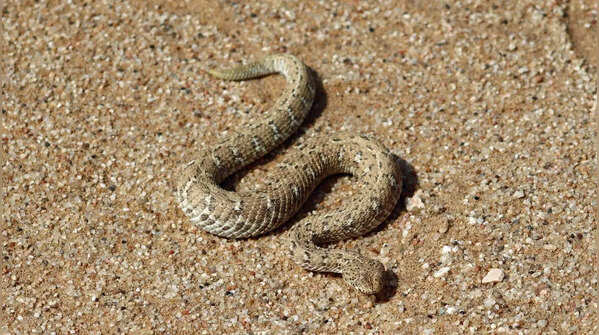
If you encounter a sea snake
Never touch
Stay away
Give the animal plenty of space
Seek immediate medical attention if bitten
For most travellers, spotting sea snakes in the wild is a rare wildlife experience.
Featured In lifestyle

