
- News
- Health News
- The 5 numbers cardiologists want every adult to know before it's too late
The 5 numbers cardiologists want every adult to know before it's too late

Health related numbers that matter
The heart rarely sends dramatic warnings in its early stages of trouble. Unlike a broken bone or a fever, cardiovascular disease often develops quietly. Arteries can narrow, blood pressure can rise, and blood sugar can remain uncontrolled for years without causing obvious symptoms.
That is why many cardiologists encourage people to become familiar with a few key health measurements. These numbers are not just figures on a medical report. They tell a story about how the body is functioning and how much strain the heart is under every day.
According to the Government of India's National Family Health Survey (NFHS-5), hypertension, obesity, and diabetes continue to affect a growing number of Indian adults. These conditions are among the strongest contributors to cardiovascular disease.
The good news is that many of these risks can be detected early. Often, all it takes is knowing a few important numbers.
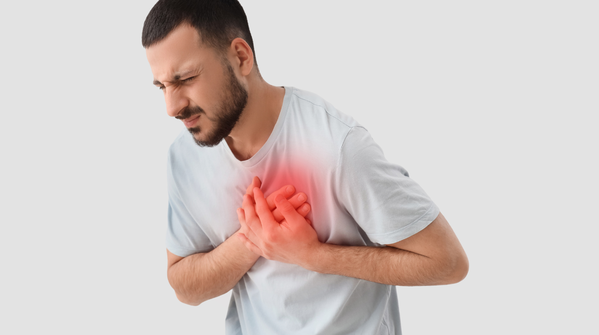
Blood pressure: The silent measure of stress on your arteries
Among all heart health markers, blood pressure remains one of the most important.
Dr Gnanadev N C, Consultant - Interventional Cardiology, KIMS Hospitals, Electronic City, Bengaluru, explained, "To start, the most critical number a person should know is his or her blood pressure. The standard definition of a healthy blood pressure reading is anything below 120 mmHg systolic and 80 mmHg diastolic."
Blood pressure measures the force with which blood pushes against artery walls. When that pressure remains elevated for long periods, it can gradually damage blood vessels and force the heart to work harder than it should.
Dr Gnanadev added, "Elevated blood pressure, when sustained, can injure the blood vessels, lead to excessive strain on the heart and increase the chances of having a heart attack, stroke, or kidney failure. Because of this, all adults over the age of 30 should regularly monitor blood pressure."
One reason hypertension is often called a "silent killer" is because many people experience no symptoms until complications appear. Regular monitoring can help identify problems years before they become emergencies.

Cholesterol: What is flowing through your arteries matters
Many people associate cholesterol with unhealthy food, but cholesterol itself is a substance the body needs. Problems arise when the balance shifts.
"The second important number a person needs to know is his or her cholesterol level," says Dr Gnanadev.
He explained, "Having high levels of low-density lipoprotein (LDL or 'bad' cholesterol) can cause the arteries to become clogged with plaque; conversely, having high levels of high-density lipoprotein (HDL or 'good' cholesterol) can cause excess cholesterol in the blood to be removed."
Over time, LDL cholesterol can contribute to fatty deposits inside arteries. These deposits narrow the pathways through which blood flows and increase the risk of heart attacks and strokes.
What makes cholesterol particularly tricky is that a person can have dangerously high levels without feeling any different. There is usually no pain, no fatigue, and no obvious warning sign.
"Regularly testing the lipid profile is, therefore, essential for determining the risk for cardiovascular disease and for assessing the need for preventive measures," he says.

Blood sugar: A heart risk that often starts as a metabolic problem
When people hear the word diabetes, they often think about insulin and blood sugar. What many do not realize is that diabetes is also a major cardiovascular disease.
"Your blood glucose levels should also be monitored regularly for early detection of abnormal blood glucose levels and diabetes, because both conditions pose an increased risk of heart attack," says Dr Gnanadev.
Excess glucose circulating in the bloodstream can damage blood vessels and nerves over time. This damage makes it easier for cholesterol deposits to build up and harder for the cardiovascular system to function normally.
According to studies supported by the Indian Council of Medical Research, India continues to carry one of the world's largest burdens of diabetes. The overlap between diabetes and heart disease is so significant that cardiologists often view blood sugar control as a heart protection strategy, not just a diabetes management tool.
In many cases, prediabetes can be identified years before diabetes develops. That window offers an opportunity for lifestyle changes that may prevent future complications.

The tape measure can tell you what the scale cannot
Weight is often discussed in terms of appearance. Doctors, however, are more interested in where weight is stored.
"A healthy body mass index (BMI) and waist circumference are critical to maintaining a healthy lifestyle," Dr Gnanadev explained.
He added, "Excessive body weight, especially around the abdomen, is linked to increased rates of high blood pressure, diabetes, and cardiovascular disease. Tracking your BMI and waist size can help you understand how your body is behaving."
Abdominal fat is metabolically active. It influences hormones, inflammation, insulin sensitivity, and blood pressure in ways that can increase cardiovascular risk.
This means two people with the same body weight may not have the same health risks.
A measuring tape wrapped around the waist may reveal more about future heart health than a weighing scale alone.
Doctors increasingly encourage people to think beyond weight and pay attention to body composition, waist size, fitness levels, sleep quality, and metabolic health as a whole.
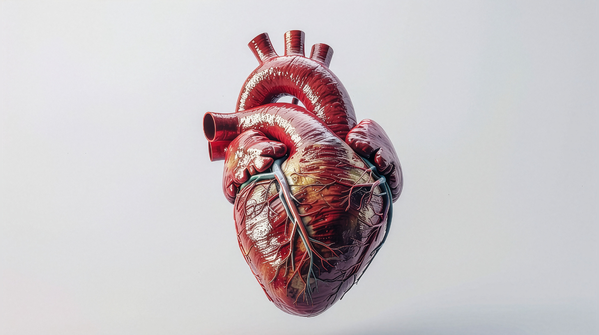
Resting heart rate and family history
Another often-overlooked number is resting heart rate.
"It is also important to know your resting heart rate (RHR). For most adults, RHR is between 60 and 100 beats per minute. Differences outside of this range may indicate an illness needing medical attention," says Dr Gnanadev.
Resting heart rate reflects how efficiently the heart functions when the body is at rest. A consistently elevated rate may sometimes signal stress, poor fitness, underlying illness, or cardiovascular concerns.
Yet numbers alone do not tell the full story.
"Besides just knowing these numbers, you should also be familiar with your family history and risk factors associated with lifestyle choices, such as smoking, lack of physical activity, poor nutrition, and high-stress levels."
Family history can reveal inherited risks that routine tests may not immediately capture. Similarly, daily habits often shape cardiovascular health more than people realize.
Dr Gnanadev emphasized, "Tracking the above factors will help your healthcare provider give you a full picture of your health and determine individual approaches to health and wellness."
He further noted, "Making constant improvements in your environment will have a huge effect on your overall health. A healthy diet, an active lifestyle, a stress-free lifestyle, enough sleep, and quitting tobacco consumption will help you keep your important numbers like blood pressure, cholesterol, and body mass index at healthy levels."
Perhaps the most powerful point he makes is that heart protection should not begin after disease develops.
"The best time to begin making lifestyle changes that will help maintain a healthy heart and reduce your risk of cardiovascular disease as an adult is during childhood because the longer you are able to consistently practice these healthy behaviors the greater impact they will have on your heart over time."
In other words, the heart remembers habits. The choices made today often shape cardiovascular health years from now.

Medical experts consulted
This article includes expert inputs shared with TOI Health by:
Dr Gnanadev N C, Consultant - Interventional Cardiology, KIMS Hospitals, Electronic City, Bengaluru.
Inputs were used to explain the key heart health numbers every adult should monitor, why these measurements matter, and how keeping track of them can help identify cardiovascular risks early and support long-term heart health.
Featured In Health

