The world’s largest iceberg begins to die in Antarctica
The world’s largest iceberg begins to die in Antarctica
You're Reading

The world’s largest iceberg begins to die in Antarctica Wuhan in China finally becomes Coronavirus free after months of struggle Puri Rath Yatra likely to be cancelled due to COVID-19; final decision after May 3 Can sniffer dogs help to detect COVID-19 positive patients? Might soon be a reality at airports


Synopsis
A-68, the world’s biggest iceberg, just got a bit smaller. As per the latest reports, the iceberg began to collapse, and just shed a massive chunk of ice, which measured 67.5 mi. i.e., around 157 sqkm. This was revealed in a new f … Read more
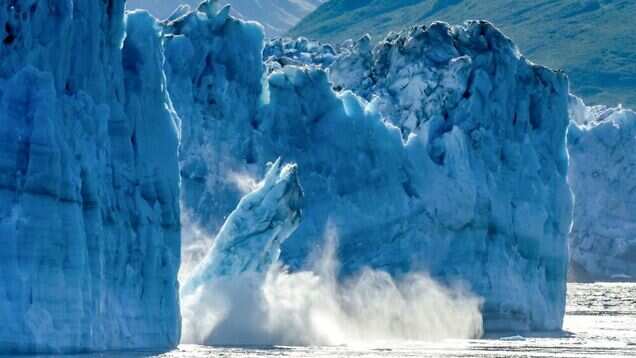
With a massive chunk shedding off from the A-68, the size of the glacier has visibly decreased. Taking this into context, scientists are of the view that this might be the beginning of the end of the glacier. It is assumed that the world’s largest iceberg might gradually begin to split into smaller pieces.


Although this is the second major calving event that A-68 has witnessed since it broke free of the Larsen C Ice Shelf in July 2017, the latest event might represent that this is the beginning of the end for the iceberg, as per glaciologist Adrian Luckman. He has been following the progress of the iceberg over the past three years, and has stated that the final breakup has started; however, the destruction of ensuing fragments might take years.
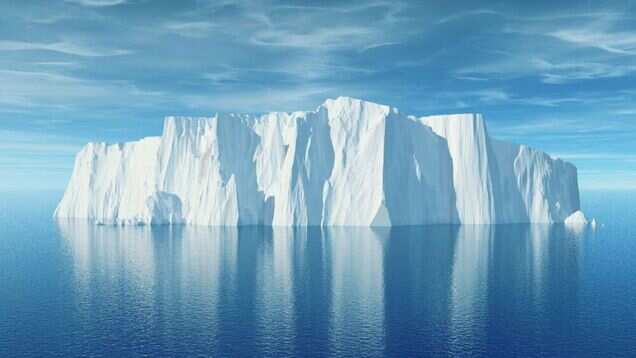
As regarding the A-68's name, it comes from a classification system that divides the Antarctic into quadrants. Since the iceberg broke off from the Larsen C Ice Shelf in the Weddell Sea, it got an ‘A’ designation, whereas 68 was the latest number in the series of large calvings in that sector.
Also, A-68 being remarkably thin, it is more vulnerable to increasingly warm temperatures and strong currents in the north of Antarctica. Therefore, further calvings are inevitable, Luckman said, following which, A-68 will no longer exist. He also added, the berg will, however, likely continue to live on for many years through the constituent chunks that will form off its edges; many will be large enough to earn their own names. This will also includes the chunk that recently broke off.

closecomments

Be the first one to review.
We have sent you a verification email. To verify, just follow the link in the message
end of article

Visual Stories
10 pretty Indian villages to visit this year-end

8 castles in Germany straight out of a fairy-tale

8 tiger reserves every wildlife enthusiast should visit in India

10 animals that are easily spotted in Ranthambore National Park

How to prepare for a night safari in India?

9 rare animals to spot in the Western Ghats and where to find them



Trending Stories
This viral video from Manali is sparking a debate online: Tourist behaviour questioned
Not your usual Kolkata trip: 5 rare and unconventional experiences every traveller should try
Delhi-Zurich-bound Swiss flight horror: What travellers should do in such a situation
10 countries with the highest snake populations and what travellers must know before visiting
How to reach the ‘Watermelon Capital of India’ and experience the sweetest summer escape




Comments (0)