
- News
- Technology News
- Tech News
- A to Z of technology in 2025: A for Agentic AI, B for Blackwell, C for Compute crisis, and more
Trending
A to Z of technology in 2025: A for Agentic AI, B for Blackwell, C for Compute crisis, and more
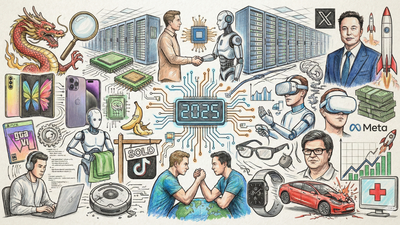
Twenty-six letters, twelve months, and more plot twists than a season finale. That was 2025 in technology—a year when Chinese AI labs shocked Silicon Valley, when the thinnest iPhone ever made couldn't find buyers, when humanoid robots started folding laundry, and when a bankruptcy court claimed one of the most beloved names in consumer robotics. It was the year Elon Musk ping-ponged between politics and tech empires, Mark Zuckerberg wrote record-breaking paycheques to fuel AI ambitions while his metaverse dreams quietly faded, and a meme about impossibly tiny bananas somehow captured the zeitgeist of AI's creative explosion. There were shockwaves from unexpected players, familiar faces making dramatic pivots, and technologies that went from niche to necessary faster than you could say "neural network." Here's how the year unfolded, one letter at a time.
A for Agentic AI
B for Blackwell
C for Compute Crisis
D for DeepSeek
E for Elon Musk
F for Foldables
G for GTA VI
H for Humanoid robots
I for iPhone Air
J for Job cuts
K for ‘Killer’ AI
L for Liquid Glass
M for Mark Zuckerberg and Meta
N for Nano Banana
O for Outages
2025 was the year the internet kept breaking. AWS went down for hours. Microsoft’s Azure suffered multiple major disruptions. Google’s infrastructure showed cracks. Cloudfare, a not so staple name, but have many websites up and running, also suffered a major outage, taking countless services with it. Each outage exposed just how fragile our cloud—dependent world had become.Discussions stopped on social media, productivity tools went offline, and smart home devices stopped responding. The causes have been different but the outcome was always the same: panic.The incidents reignited debates around over—centralisation and the need for stronger redundancy. As usual, the conversation was loud—but little fundamentally changed.
P for Perplexity
Q for Quantum Computing
R for Roomba
S for Sora
T for TikTok
U for US tech giants vs EU
V for Vibe coding
W for Wearables
X for xAI
Y for Yann LeCun
Z for Zenith

About the AuthorTOI Tech Desk
End of Article
Follow Us On Social Media

Hot Picks
Top Trending
Tired of too many ads?go ad free now
Trending Stories
In Section
Entire Website
- Google's quarterly report adds line on 'European Commission' and tells you why America's tariff and Visa war on Europe and Europeans may not end soon
- China adds new rule for chipmakers as part of its 'Whole Nation' approach and the 'reason' once again is America
- Celebrity lawyer Alex Spiro sends letter to California governer Gavin Newsom on proposed Wealth Tax; says: Our clients have made it clear that they will not ...
- Tech startups that closed down in 2025
- Blinkit CFO Vipin Kapooria to rejoin Flipkart after spending over a year with Zomato-owned company
- OnePlus Turbo 6, Turbo 6V to launch in China on January 8: Specs and other details
- New Year 2026: How to use WhatsApp new year stickers, video call effects and other features to make your celebrations more fun
- Meta’s billion-dollar Superintelligence Lab is hiring in Singapore: Read Chief AI officer Alexandr Wang’s post
- Wordle Today #1655: Hints, Clues and Answer for December 30, 2025
- Motorola Signature to launch in India in January 2026: What we know so far
- “Why she’s out there”: Tim Dillon highlights public confusion over Erika Kirk’s appearances following Charlie Kirk tragedy
- IND-W vs SL-W: India take early wicket in Lanka's chase of 176 runs
- 'Betrayal of trust': Ramdas Athawale on RPI(A)’s exclusion from Mahayuti seat-sharing for BMC polls; to contest on 38 seats
- 'Suryakumar Yadav used to message me a lot': Actress Khushi Mukherjee drops bombshell; claims 'so many cricketers after me'
- Travis Kelce won't be back with the Kansas City Chiefs? NFL star Rob Gronkowski offers blunt take on what the tight end's next move could be
- Is FaZe Clan’s Richard Bengston “Banks” leaving streaming for life on a remote island? Cryptic posts spark speculation
- Matthew Stafford lost the Rams vs Falcons battle but his spirits soared on the sidelines pregame when he saw the smiles of his four daughters
- Marshawn Kneeland’s girlfriend shares emotional pregnancy update weeks after his death, shares a message for their unborn baby
- Tampa Bay Buccaneers WR Mike Evans hands his gloves to a young fan, sparking a reaction of pure, unforgettable joy
- Tom Brady’s net worth in 2025: How rich is the NFL legend? Retirement settlements, business ventures and ownership stake
Tired of too many ads?go ad free now



Explore Every Corner
Across The Globe
Tomas HertlCSBC Bihar Police Dirver Constable ResultIND W vs SL WKhaleda ZiaSkylar DigginsMathieu van der PoelSophie Cunningham vs Angel Reese Net Worth 2025Nikki BellaMichael van GerwenWan Dale RobinsonRyan Nugent HopkinsJustin Herbert GirlfriendMaxx CrosbyFrancisco Lindor and Katia Reguero Net WorthCandace OwensNikola JokicWho is Daniel SmithJapanese Tourist Harassed Varanasi GhatNikita KucherovBengaluru PG BlastUttarakhand AccidentPAN-Aadhaar link statusRoad Accident in CaliforniaJon Jones and Jessie Moses Net WorthShreyas IyerActress Khushi MukherjeeTim DillonDonald TrumpAP SBTET Result 2025T20 World Cup 2026 Schedule
Hot on the Web
Nandini CM Death NewsVijayAnthony JoshuaDhurandhar Part 1 OTTKing CobraNew Year WishesHappy New Year 2026 WishesNew Year Greeting CardBenjamin FranklinNew Year MessagesKaroline Leavitt Pregnancy NewsCanada Citizenship RulesYami GautamAmitabh BachchanTu Meri Main Tera Main Tera Tu MeriBha. Bha. Ba. CollectionUnreal AnimalsAvatar Box Office CollectionVinod KhannaMannara ChopraAristotleToni MorrisonDhurandhar Movie CollectionAkhanda 2 Full Movie CollectionAkshaye KhannaGeorge WashingtonTere Ishk Mein CollectionDhurandhar Movie ReviewBest Countries For RetirementAkhanda 2 Movie ReviewPulchritude WordAncient EgyptRice Bran Vs Sunflower OilWinter Solstice 2025Horn Ok PleaseElon Musk Net WorthMark Zuckerberg LessonsShimla TravelsMagnesium Deficiency SymptomsOptical illusionOzempic
Trending Topics
IND vs NZ SquadIND vs SLChloe Kim Birthday PostPyotr Kochetkov InjuryKurtis MacDermidNikita KucherovVande Bharat Sleeper TrainQuinn HughesCarolina HurricanesBangladesh Hindu Minority AttacksKhalida Zia DeathGUJCET 2026 ApplicationCSIR NET Answer Key 2025Maxx CrosbyAaron RodgersFrancisco LindorIShowSpeedSSC GD Constable Registration 2025SSC Stenographer Skill TestAnjel Chakma DeathMumbai BEST Bus AccidentAir India Indigo FDTL NewsT20 World CupDelhi PollutionCalifornia AccidentUP Rabies NewsActor Nandini CM SuicideTripura Student MurderDelhi AQIKarnataka Toddler Drinks AlcoholChloe KimGTA 6Sridhar VembuVince ZampellaBill GatesNyt StrandsWhatsapp New Year FeaturesSatya NadellaMark ZuckerbergSundar PichaiNyt ConnectionsSam Altman
Popular Categories
HeadlinesSports NewsBusiness NewsIndia NewsWorld NewsBollywood NewsHealth+ TipsIndian TV ShowsTechnologyTravelEtimesHealth & FitnessDelhi Gold Rate TodayChinese Horoscope PredictionsMarketsAstrologyWeather TodayPlatinum Rate TodaySilver Rate TodayGold Rate TodayIs Bank open todayIs Bank Open TomorrowBank Holidays in DecemberPublic Holidays in DecemberStock Market HolidaysNFL ScheduleTechnology NewsInternational SportsPublic HolidaysBank Holidays
Trending Videos
Putin's Powerful Ally China, UAE LOSE COOL Over Ukraine's 'Attack' On His Home | 'Sabotaging Peace'‘Annoyed’ By Zelensky’s Demands, NATO Nation Asks Ukraine To Compromise | ‘Peace On Horizon…’Inside Anthony Joshua’s Deadly Crash: Witness Describes FINAL Moments as Cause Comes to LightRekha Honors Amitabh Legacy with Flying Kiss at Ikkis Premiere, Fans Emotional OnlineDRDO Successfully Tests Pinaka Long-Range Guided Rocket In Odisha, To Be Inducted In Indian ArmySushil Pandit Speaks on Pahalgam Attack, Kashmiri Pandit Migration, CAA & Article 370 Controversy'UPSC Is Complete Waste Of Time': PM's Economic Advisor Sanjeev Sanyal On AI Era EducationFrom 'Dhadak 2' to 'Empuraan': Films That Faced Censorship Chaos in 2025Bengal Electoral Roll Stress, Punjab Murder Case, Nagpur Security Alert And MoreDeadly Avalanche Kills Three Ski Mountaineers in Northern Spain’s PyreneesNASCAR Star Denny Hamlin’s Father Dies, Mother Critically Injured In North Carolina House FireJoe Rogan Blasts Donald Trump Over Shock Rob Reiner Murder RemarksHindu Guard Killed By Colleague In Bangladesh, Third Death In Days Raises Minority Safety FearsInside details of why Shreyas Iyer's return to cricket has been DELAYED'Not The Right Time': Trump Slams Drone Attack On Putin's Home Amid Peace Talks With Zelensky'Lethal Kinetic Strike': Trump Strikes 'Narco Boat' Again; 2 Killed As US' War On Drug Cartels IntensifiesDev and Ankush groove togetherHyderabad Headlines Today — The Biggest Updates You Need to Know.
Latest News
SSC GD Constable registration 2025 closing tomorrow: Check details here'Red line': Why Saudi Arabia attacked Yemen, gave stark warning to UAE - explainedWhat does Francisco Lindor’s $21.2 million New York City penthouse look like inside? A tour of the Mets star’s luxury home“The love in Africa”: IShowSpeed’s Africa tour turns into an unforgettable personal journey, reveals insightful details about his rootsArchana Puran Singh jokingly blames Navjot Singh Sidhu’s laughter for her hearing troubleDrill, dash, disappear: Robbers crack German bank vault; vanish with $35 millionMDMK MLA Sadhan Thirumalai Kumar convicted in cheque bounce case, faces disqualificationNobody feeling sorry for H-1Bs stuck in India: US immigration expert says companies are not waiting for themPSEB Punjab Board date sheet 2026 released for classes 8, 10, and 12: Check detailed schedule hereMessage to Congress leadership or attacking coterie? Why Digvijaya Singh’s 'power of organisation' post is intriguingThese zodiac signs are destined to become successful entrepreneurs in 2026Capricorn Horoscope Tomorrow, December 31, 2025: Fate pushes you out of old patterns todayHow George Clooney embraces fatherhood with his twins; a look at his parenting style‘Convert your grandfather first’: Nalin Haley criticised for urging Netanyahu to attend Catholic MassNot LinkedIn but Tinder: Why are youngsters in US searching for job offers on dating platforms?Kyunki Saas Bhi Kabhi Bahu Thi’s Akashdeep Saigal to return with Naagin 7? Actor once accused Salman Khan of ruining his careerAaron Rodgers shows respect to rookie Shedeur Sanders after Browns upsets Steelers in Week 17'ISIS links': Turkey detains 357 individuals in nationwide raid; targets planned attacks during holidays
Copyright © 2025 Bennett, Coleman & Co. Ltd. All rights reserved. For reprint rights: Times Syndication Service