
- News
- lifestyle
- travel
- things-to-do
- Different types of wildlife safaris in India, and where to experience them
Different types of wildlife safaris in India, and where to experience them
Different types of wildlife safaris in India, and where to experience them
India’s wildlife experiences go far beyond the classic tiger safari. With landscapes ranging from dense rainforests and grasslands to rivers, wetlands, and floodplains, the country offers multiple ways to explore its rich biodiversity. Each safari type provides a distinct perspective, some focus on tracking big cats, others on slow, intimate encounters with nature, while a few allow wildlife viewing from water or on foot. From adrenaline-filled jeep safaris to quiet boat rides and guided forest walks, here’s a closer look at the different types of wildlife safaris in India and where you can experience them.
Jeep safari
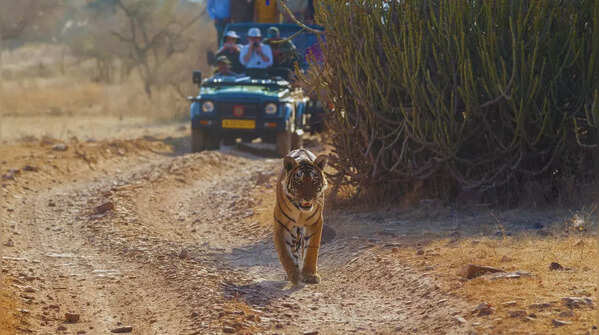
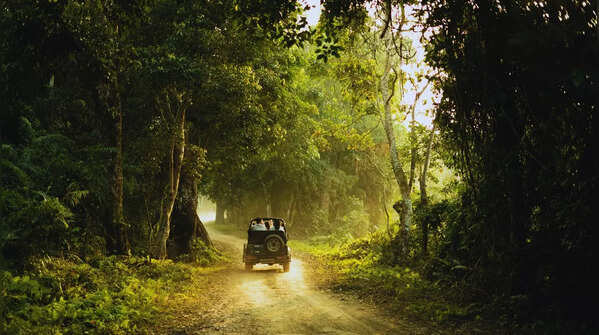
Without a doubt, everyone’s favourite, jeep safaris are the most common and widely preferred way to explore India’s national parks and tiger reserves. These safaris are conducted in open 4x4 vehicles that are ideal for spotting tigers, leopards, elephants, deer, and a wide range of birdlife. Jeep safaris are mostly preferred because they give you the freedom to select your own pace. You don’t have to hurry. Or hurry if you need to. For good visibility, there's the elevated seating and open design. And experienced forest guides and drivers help track animal movement through pugmarks, alarm calls, and fresh signs. Jeep safaris are best experienced in Ranthambore National Park, Bandhavgarh National Park, Kanha National Park, Tadoba Andhari Tiger Reserve, and Jim Corbett National Park.
Canter safari
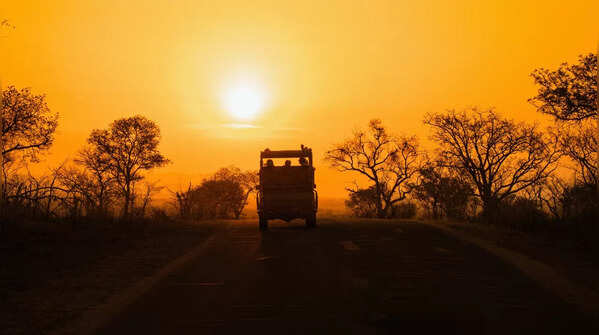
If you are in a large group and visiting Ranthambore National Park or Jim Corbett National Park’s Dhikala Zone, a canter safari is one of the best ways to explore the wilderness. These safaris are conducted in open, bus-like vehicles designed to carry a larger number of visitors at once. While they may feel less intimate than jeep safaris, canters are an excellent option during peak seasons when jeep availability is limited. These safaris are especially popular in high-demand tiger reserves and allow more people to experience wildlife without increasing the number of vehicles inside the forest.
Walking safari
Walking safaris offer the most immersive and intimate way to experience India’s wilderness. However, they are conducted only in designated buffer zones or protected forest areas because they take place in the wild. These safaris are led by trained naturalists and armed forest guards. Here, the focus is not on the big animals (for obvious reasons), instead, walking safaris help you understand animal tracks, forest ecology, plants, insects, birds, and smaller wildlife. While on a walking safari, allow yourself to enjoy the sounds, smells, and textures of the forest. In national parks like Satpura National Park in Madhya Pradesh, Periyar Tiger Reserve in Kerala, and Tadoba buffer zones in Maharashtra, one can have a grand experience.
Boat safari
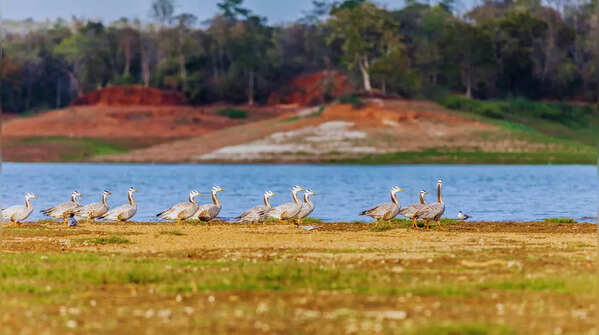
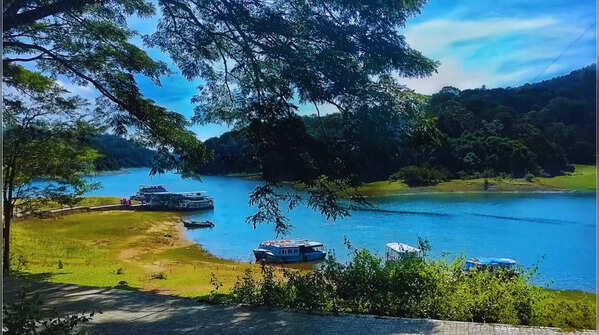
Boat safaris provide a completely different perspective by allowing visitors to observe wildlife from water bodies that flow through these protected areas. Typically on rivers, these safaris are quieter than vehicle safaris and are perfect for birdwatching and spotting animals that come to the water’s edge, for example, elephants, wild boars, deer, crocodiles, gharials, river dolphins, turtles, migratory birds, and if lucky, even tigers. Now that sounds interesting, doesn’t it? Where to best experience it? Your best bet would be Periyar Lake in Periyar Tiger Reserve, Chambal River Safari (for gharials and river dolphins), Satpura National Park, Bhitarkanika National Park, and Sundarbans National Park in West Bengal.
Elephant safari
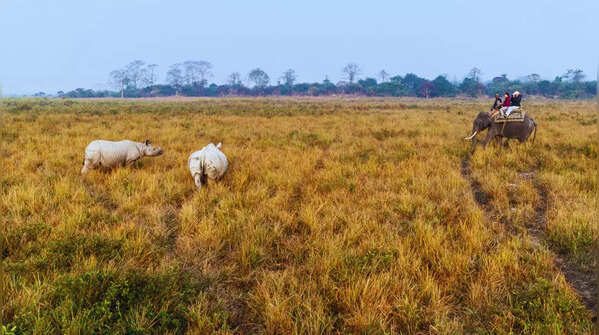
If you are visiting Kaziranga National Park or Manas National Park, you are likely to opt for an elephant safari most often. This is not to suggest that jeep safaris are unavailable; Rather, elephant safaris offer a unique vantage point, allowing visitors to move silently through tall grasslands and forest patches that vehicles cannot easily access. This is the best way to efficiently explore the grasslands of Kaziranga and Manas. Also keep in mind that while elephant safaris are limited and regulated, they remain an important part of wildlife tourism in certain regions, especially where terrain demands low-impact movement.
Featured In lifestyle

