
- News
- Science News
- In 1964, a strange background noise led two scientists to uncover how the universe began
In 1964, a strange background noise led two scientists to uncover how the universe began
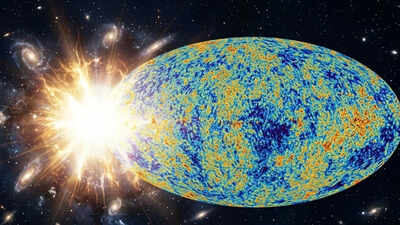
PC: Google Gemini
The mysterious background noise and the proof of the Big Bang
How Penzias and Wilson isolated the cosmic signal
The theory behind the hum
One discovery launched several missions

About the AuthorTOI Science Desk
End of Article
Follow Us On Social Media

Hot Picks
Top Trending
Tired of too many ads?go ad free now
Trending Stories
In Section
Entire Website
- CBSE Class 12 Result Live Updates: 12th Result 2026 expected shortly as DigiLocker activates result banner; result may be declared today or tomorrow
- Urvil Patel’s six-hitting carnage: The 200-sixes-a-day routine, Dhoni’s special Bat and ‘mai dhamaka karunga’ promise
- IPL 2026: Time for Mumbai Indians to bench Suryakumar Yadav and Tilak Varma; rest Jasprit Bumrah
- Asim Munir's ceasefire claim on Operation Sindoor falls apart as US lobbying records contradict Pakistan
- IPL 2026: RCB coach Andy Flower fined after heated outburst during dramatic win over MI
- Rahul Gandhi calls PM Modi's 'don't buy gold for a year, WFH' appeal 'proof of failure'
- 'Need to save foreign exchange amid war crisis': PM Modi pushes for cut in fuel use & gold buying, favours WFH
- US-Israel-Iran War News Live Updates: Trump rejects Iran ceasefire response as Gulf tensions deepen
- Stock market crashes today: Sensex falls 1,000 points, Nifty50 trades below 23,900 oil prices jump amid Middle East tensions
- PSEB 10th Result 2026 Live Updates: Scorecards today at 12:30 PM, check previous year trends, pass percentage, steps to download
- CBSE Class 12 Result Live Updates: 12th Result 2026 expected shortly as DigiLocker activates result banner; result may be declared today or tomorrow
- Urvil Patel’s six-hitting carnage: The 200-sixes-a-day routine, Dhoni’s special Bat and ‘mai dhamaka karunga’ promise
- IPL 2026: Time for Mumbai Indians to bench Suryakumar Yadav and Tilak Varma; rest Jasprit Bumrah
- Asim Munir's ceasefire claim on Operation Sindoor falls apart as US lobbying records contradict Pakistan
- IPL 2026: RCB coach Andy Flower fined after heated outburst during dramatic win over MI
- Rahul Gandhi calls PM Modi's 'don't buy gold for a year, WFH' appeal 'proof of failure'
- 'Need to save foreign exchange amid war crisis': PM Modi pushes for cut in fuel use & gold buying, favours WFH
- US-Israel-Iran War News Live Updates: Trump rejects Iran ceasefire response as Gulf tensions deepen
- Stock market crashes today: Sensex falls 1,000 points, Nifty50 trades below 23,900 oil prices jump amid Middle East tensions
- PSEB 10th Result 2026 Live Updates: Scorecards today at 12:30 PM, check previous year trends, pass percentage, steps to download
Tired of too many ads?go ad free now



Explore Every Corner
Across The Globe
PM Modi WFHCBSE Result 2026Virat KohliPSEB Class 10th Result 2026Punjab Board 10th Result 2026Krunal PandyaUrvil PatelNFL Trade RumorsHow to check PSEB Result on DigilockerRCB vs MIVijayPSEB 10th Result 2026IPL Purple capTom BradyIPL Playoff Qualification ScenarioTravis KelceJEE Advanced Admit CardPM ModiIPL Orange CapStock Market TodaySuvendu AdhikariUS Iran warIPL Purple Cap WinnerToday IPL matchRahul GandhiJCD PrabhakarPunjab Board 10th Result Direct linkWest Bengal Class 12 ResultPSEB SSLC Class 10th ToppersAshwini vaishnaw

Hot on the Web
Elton John QuoteBharath Kanth Death NewsJim CarreyTrisha KrishnanTrishaIsha AmbaniPriyanka ChopraHantavirus SymptomsKrishnavataram Part 1 - The HeartMichael JacksonAbhishek BachchanDua LipaBhooth Bangla Box Office CollectionThalapathy VijayMohanlalKiara AdvaniTumor SurgeryHantavirusPancreatic CancerHigh BP SymptomsApple VS BananaKidney Damage FoodsRubina DilaikLowest Obesity Rate CountriesAnti Mosquito PlantsSnake AttractionPM Modi Travel AppealDhurandhar 2 Box Office CollectionRaja Shivaji Box Office CollectionHoroscope TodayRare Earth MangoDasia TaylorSnakes SlitherOne Kidney VillageYellow Bellied Sea SnakeAttracts Snakes To ToiletCloudflare LayoffsJP MorganApple LawsuitNyt ConnectionsMaruti Suzuki EecoCaptions For Instagram Posts
Trending Topics
Urvil PatelDelhi Capitals vs Punjab KingsUP Double MurderNeet 2026 Paper LeakBombay High CourtSanjeev Arora ArrestCM Yogi AdityanathStock Market TodayNoida Murder CaseTVKGold Rate TodaySuvendu AdhikariTurkish Airlines incidentDonald TrumpTarique RahmanUK HantavirusTrump China visitAnil KochharRahul GandhiVijayPM ModiPM Modi WFHKerala CMNFL Trade RumorTamil Nadu RailwaysTamil Nadu Election ResultGujarat Rape NewsBijnor Husband MurderHPBOSE 10th Result 2026KMP Expressway AccidentShivon ZilisSteve JobsMark CubanMira MuratiMark ZuckerbergSundar PichaiMichael DellCanvas HackedGarena Free Fire MAX Redeem CodesPeroxide CodesGenshin Impact Codes
Popular Categories
HeadlinesSports NewsBusiness NewsIndia NewsWorld NewsInternational SportsHealthIndian TV ShowsTechnologyTravelEtimesAstrologyDeorhiAutoTechnology NewsGold Rate TodayWeather TodaySilver Price TodayDelhi Weather TodayPetrol Price TodayDiesel Price TodayCNG Price TodayLPG Price TodayPetrol Price MumbaiDelhi AQIIs Bank Open TodayMumbai AQI TodayIs Bank Open TomorrowPublic Holidays in MayBank Holidays in May
Trending Videos
Get Hooked on the Catchy Music Video for Track 'Lagni Ni Ganthe Bandhano Prem' By Kajal Maheriya in Gujarati'Couture' Trailer: Angelina Jolie and Anyier Anei starrer 'Couture' Official TrailerVolkswagen Virtus Blends Style With PerformanceDeon Cole Wants To Return To Altadena Just To ‘Hang Out’ With Residents'Is That Entirely Fair And Democratic? Shashi Tharoor Questions SIR’s Role In BJP’s Massive VictoryNEET ‘Guess Paper’ Probe: Rajasthan Police Investigate Claims Of 140 Questions Matching Exam PaperNetanyahu's Secret War Base In Iran's Backyard 'Exposed’, New Report Drops BombshellIAF’s Surya Kiran Team Performs Grand Air Show Over Somnath Temple During PM Modi’s VisitEx-Sacramento Kings’ DeMarcus Cousins launches Dwayne Bravo for a six!Parasailing Ride Turns Risky in Maharashtra IncidentDivine Bhasma Aarti at Mahakaleshwar Temple Captivates DevoteesGlory | Song - Laadli Roothe NaNetanyahu Seeks US-Israel Military Relationship Reset & End Dependence On American Financial AidTula Pahata - Official TeaserHow Vijay’s Films Secretly Predicted His Rise As Tamil Nadu’s Chief Minister Tampa ‘TEEN TAKEOVER’ Chaos: 22 Arrested At Curtis Hixon ParkHomework - Official TrailerEscape the Loop of Life: Your Kundali Holds Secrets to Break Life Cycles | Ft. Ujjawal Trivedi
Latest News
Hazaribag man drowns while fishing in lake"Behen Darr Gayi!": Fans relive ‘Bhagam Bhag’ era after watching Akshay Kumar's 'Bhooth Bangla' trailerMBOSE HSLC result 2026 to release tomorrow: Check details hereIran war risk: JPMorgan CEO Jamie Dimon warns of oil shocks, sticky inflation and higher interest ratesMake your clutch last longer with these easy driving tips“Three-against-one situation”: El Rubius opens up on being “targeted” in MrBeast’s viral $1M challengeBihar BTSC lab assistant notification released for 1091 posts at btsc.bihar.gov.in; apply hereIPL craze costs techie Rs 1.46 lakh in fake RCB vs CSK ticket scamRaising “robot-proof” kids: Why creativity and curiosity matter more than everInside ‘Satguru Sharan’: Exploring Saif Ali Khan and Kareena Kapoor Khan’s Rs 100 crore Bandra homeHow selling Alaska in 1867 was a costly mistake for Russia'Hera Pheri 3 is coming': Paresh Rawal dismisses delay reports and reveals he will 'start shooting soon'US-Iran War: A daring rescue Hollywood blockbuster is on its way. Till then, pick your favourite from these 10 films on bringing someone home against all oddsKolkata team unveils fan mural at Rash Behari Avenue, celebrating city’s first loveHow US spread a lie to rescue a pilot of a jet shot down in IranNetflix unveils ‘VOID’, an AI model that can change a movie plotAI data centers are causing 'stress' not just to tech companies, but also private insurers"Trans women are.....": Clavicular’s viral moment with trans women sparks fresh conversation on internet culture
Copyright © 2026 Bennett, Coleman & Co. Ltd. All rights reserved. For reprint rights: Times Syndication Service