
- News
- Real Estate News
- Top 7 tallest buildings of Singapore defining the city’s skyline
Top 7 tallest buildings of Singapore defining the city’s skyline
Top 7 tallest buildings of Singapore defining the city’s skyline
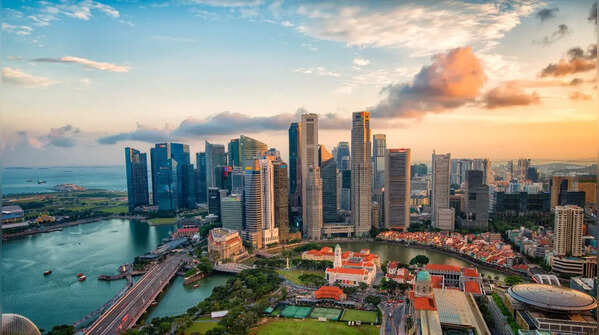
Singapore’s skyline is a striking reflection of its urban ambition, blending architectural innovation with strict planning regulations. Despite height limits due to aviation constraints, the city has developed a cluster of iconic skyscrapers that dominate its financial district. These towers are not just engineering feats but also symbols of economic strength, shaping one of Asia’s most recognizable real estate skylines, while setting benchmarks for sustainable and high-density urban development.
Here are Singapore's seven tallest buildings, according to Wikipedia:
Image Credit: Canva
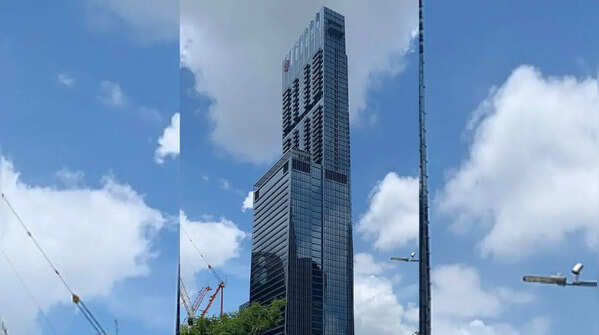
Guoco Tower
Standing at 290 metres, Guoco Tower is Singapore’s tallest building and a defining landmark in Tanjong Pagar. Completed in 2016 it broke a decades-long height ceiling in the city. This mixed-use development integrates offices, luxury residences, a hotel and retail spaces creating a vertical urban ecosystem that reflects Singapore’s modern approach to high-density real estate.
Image Credit: Wikipedia
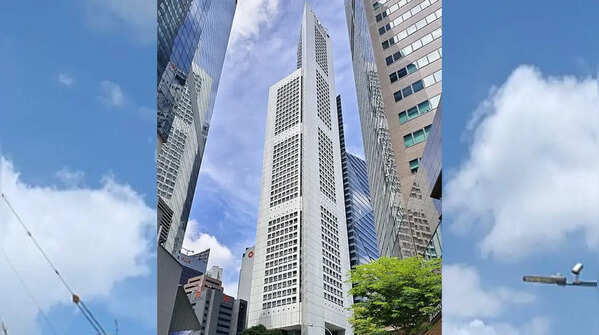
One Raffles Place
Formerly known as OUB Centre, One Raffles Place stands at 280 metres and has long been a key feature of the skyline. Completed in 1986, it was once among the tallest buildings outside North America. Its sleek, angular design and prime location in the financial district make it a cornerstone of Singapore’s commercial real estate landscape.
Image Credit: Wikipedia
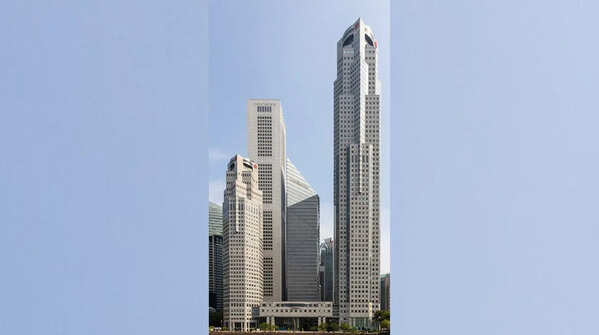
United Overseas Bank Plaza One
UOB Plaza One, also 280 metres tall is a major financial hub housing the headquarters of United Overseas Bank. Completed in 1995, its modernist design and waterfront presence add prominence to the Marina Bay skyline. The tower represents Singapore’s rise as a global banking and financial centre.
Image Credit: Wikipedia
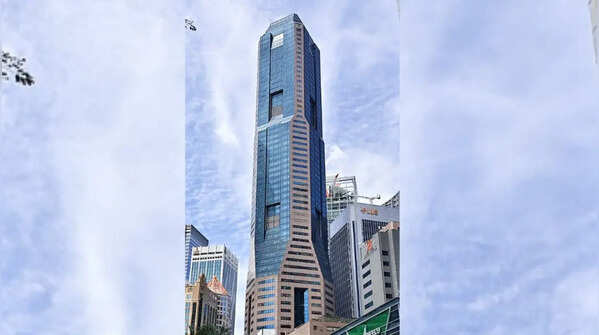
Republic Plaza
Republic Plaza also rises to around 280 metres and features a distinctive octagonal design. Completed in the late 1990s, it was once tied as Singapore’s tallest building. Its flexible office layouts and premium location make it a preferred choice for multinational corporations, reinforcing its importance in the city’s commercial real estate sector.
Image Credit: Wikipedia
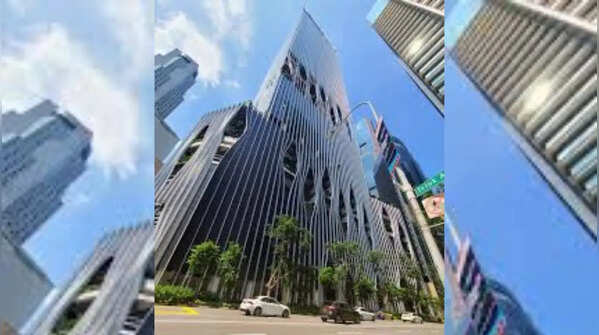
CapitaSpring
Completed in 2021, CapitaSpring is a modern addition to the skyline, also reaching around 280 metres. Designed with sustainability in mind, it incorporates sky gardens, green spaces and public areas within its structure. This integration of nature and architecture reflects Singapore’s vision of a “city in a garden” within a high-rise urban environment.
Image Credit: Wikipedia
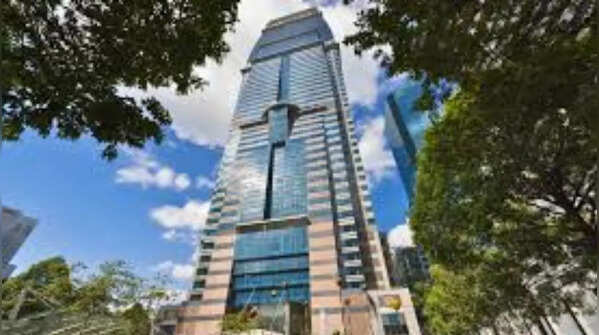
Capital Tower
Standing at 254 metres, Capital Tower is a prominent office building completed in 2000. It serves as a major business hub and contributes significantly to Singapore’s Grade A office supply. Its clean, corporate design and strategic location reinforce its role in shaping the city’s financial district skyline.
Image Credit: CapitaLand
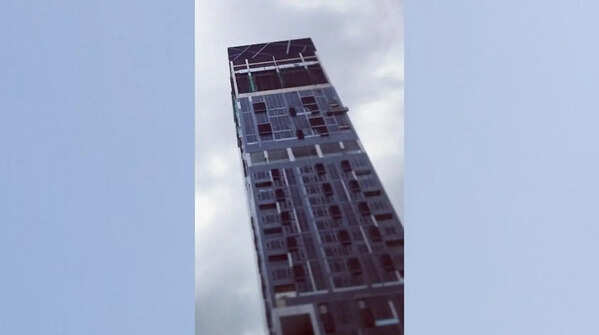
Altez
Altez, at around 250 metres, is one of Singapore’s tallest residential towers. Located in the downtown area, it offers luxury living with panoramic city views. The building reflects the growing demand for high-rise residential developments within the central business district, blending lifestyle and proximity to workspaces.
The tallest buildings in Singapore are not just a series of high-rise structures, they represent a unique example of urban planning and economic progress in a region known for its architectural ingenuity, despite restrictions in place regarding building heights designed to meet aviation needs.
Image Credit: Wikipedia
Featured In Real Estate

