
- News
- Debate: #FinalModiStamp - 1
Debate: #FinalModiStamp - 1
| Aug 26, 2014, 08:27:58 PM
- Share
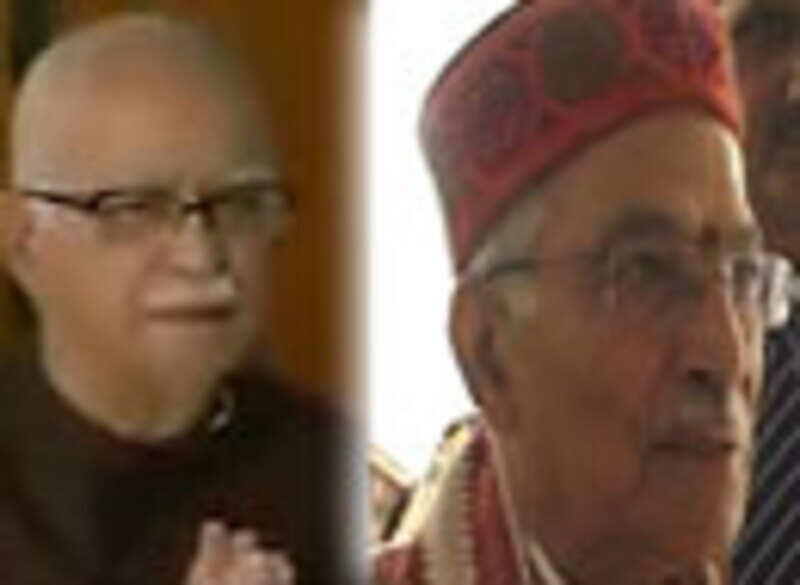
The generational shift in BJP was complete with its founders Atal Behari Vajpayee, L K Advani and Murli Manohar Joshi being dropped from the Parliamentary Board, the highest decision-making body, which has the stamp of Prime Minister Narendra Modi all over now. In a token gesture, ailing Vajpayee and Advani and Joshi, for long the BJP's 'Trimurti', now figure in the new five-member 'Margdarshak Mandal' (guiding group) after being associated with the party for nearly four decades. Three-time Madhya Pradesh Chief Minister Shivraj Singh Chouhan and party general secretary J P Nadda are the new entrants to the BJP Parliamentary Board which was reconstituted by newly-appointed chief Amit Shah. The two have also been included in BJP's Central Election Committee, which decides on the party candidates to be fielded in elections. The 12-member Parliamentary Board chaired by Shah now has Modi, Rajnath Singh, Arun Jaitley, Sushma Swaraj, Venkaiah Naidu, Nitin Gadkari, Ananth Kumar, Thawarchand Gehlot, Shivraj Singh Chouhan, Jagat Prakash Nadda and Ramlal as its members. The new BJP President Amit Shah initiated the changes after consultations with top BJP leaders and Prime Minister Narendra Modi. The five-member 'Margdarshak Mandal' also includes Modi and Rajnath Singh. Vajpayee, who had faded away from public life since about a decade back due to his ill health, had however been retained as NDA Chairman. Advani was the Working Chairman of NDA before the Modi era.
The Central Election Committee was also reconstituted, with firebrand leader from Uttar Pradesh Vinay Katiyar being dropped. Former BJP Mahila Morcha President Saroj Pandey, who was an ex-officio member of this Committee, has been replaced with Vijaya Rahatkar the new Mahila Morcha chief who was earlier the former Aurangabad Mayor. Jual Oram, a Tribal face and union Tribal Affairs Minister, marks his entry into the 15-member body. The other members of the CEC are Narendra Modi, Rajnath Singh, Arun Jaitley, Sushma Swaraj, Venkaiah Naidu, Nitin Gadkari, Ananth Kumar, Thawarchand Gehlot, Shivraj Singh Chouhan, Jagat Prakash Nadda, Ramlal and Shahnawaz Hussain besides Rahatkar. The restructuring of the BJP Parliamentary Board and itsCentral Election Committee heralds the generation shift in the party by infusing young blood. The changes appear to be in line with the party's notional principle of having a cut-off age of 75 years which has been applied for inclusion of leaders in the Union Cabinet. 86-year-old Advani has shared an uneasy relationship with Modi in the recent past. He openly revolted when Modi was named as the chief of party's election Campaign Committee on June 9 last year and resigned from all key posts in protest. He took back the resignation a day later on persuasion by senior party leaders. Several of BJP's other elder leaders who had contested the Lok Sabha elections have been appointed Governors. Among these include 82-year-old former Uttar Pradesh Chief Minister Kalyan Singh, 80-year-old Ram Naik, 79-year-old Keshari Nath Tripathi and Om Parkash Kohli, besides Gujarat Speaker Vajubhai Vala, Balramji Dass Tandon, Kaptan Singh Solanki and some others.
In a debate moderated by TIMES NOW's Editor-in-Chief Arnab Goswami, panelists -- Rita Bahuguna Joshi, Spokesperson, Congress; Jaynarayan Vyaas, Senior Leader, BJP; Lalitha Kumaramangalam, National Spokesperson, BJP; Gaurav Bhatia, Natl. President, Legal Wing, SP -- discuss whether being 75+ is an excuse to phase out BJP veterans.
The Central Election Committee was also reconstituted, with firebrand leader from Uttar Pradesh Vinay Katiyar being dropped. Former BJP Mahila Morcha President Saroj Pandey, who was an ex-officio member of this Committee, has been replaced with Vijaya Rahatkar the new Mahila Morcha chief who was earlier the former Aurangabad Mayor. Jual Oram, a Tribal face and union Tribal Affairs Minister, marks his entry into the 15-member body. The other members of the CEC are Narendra Modi, Rajnath Singh, Arun Jaitley, Sushma Swaraj, Venkaiah Naidu, Nitin Gadkari, Ananth Kumar, Thawarchand Gehlot, Shivraj Singh Chouhan, Jagat Prakash Nadda, Ramlal and Shahnawaz Hussain besides Rahatkar. The restructuring of the BJP Parliamentary Board and itsCentral Election Committee heralds the generation shift in the party by infusing young blood. The changes appear to be in line with the party's notional principle of having a cut-off age of 75 years which has been applied for inclusion of leaders in the Union Cabinet. 86-year-old Advani has shared an uneasy relationship with Modi in the recent past. He openly revolted when Modi was named as the chief of party's election Campaign Committee on June 9 last year and resigned from all key posts in protest. He took back the resignation a day later on persuasion by senior party leaders. Several of BJP's other elder leaders who had contested the Lok Sabha elections have been appointed Governors. Among these include 82-year-old former Uttar Pradesh Chief Minister Kalyan Singh, 80-year-old Ram Naik, 79-year-old Keshari Nath Tripathi and Om Parkash Kohli, besides Gujarat Speaker Vajubhai Vala, Balramji Dass Tandon, Kaptan Singh Solanki and some others.
In a debate moderated by TIMES NOW's Editor-in-Chief Arnab Goswami, panelists -- Rita Bahuguna Joshi, Spokesperson, Congress; Jaynarayan Vyaas, Senior Leader, BJP; Lalitha Kumaramangalam, National Spokesperson, BJP; Gaurav Bhatia, Natl. President, Legal Wing, SP -- discuss whether being 75+ is an excuse to phase out BJP veterans.
Recommended Playlist
- 04:16
 Portfolios Allocated To Gujarat’s New Ministers After Major Cabinet Reshuffle4 months ago
 - 02:05‘JD(U) Not Run By Nitish’: Tejashwi Yadav Says Key Leaders ‘Bought By BJP’ Now Controlling Party4 months ago
- 01:57Major Cabinet Reshuffle in Gujarat as Ministers Step Down Before Local Polls4 months ago
- 10:41Tejashwi Yadav Named INDIA Bloc’s CM Face; Watch Key Highlights from Mahagathbandhan Presser4 months ago
- 45:54LIVE: PM Modi’s First Reaction After Landslide NDA Win In Bihar | Nitish Kumar | BJP | JDU | LJP3 months ago
- 09:04Tejashwi Yadav Named CM Face, BJP Retaliates with ‘Weak Alliance’ Remark at Mahagathbandhan4 months ago
- 03:20Bihar Polls: RJD Announces Candidate List for Bihar Elections, 143 Contenders4 months ago
- 03:01Lalu Yadav, Family Cast Votes as First Phase of Bihar Polling Gets Underway4 months ago
- 03:29Who Will Lead Bihar After Nitish Kumar? BJP Heavyweights Enter Race For Chief Minister2 days ago
- 03:02Big Political Twist: '44 MLAs Ready To Form New Govt In Manipur', Says BJP MLA After Meeting Guv9 months ago


Top Viral Videos

- 09:21Hezbollah Vs IDF: Israeli Troops Suffer Serious Injuries In South Lebanon As Fighting Escalates4.8K views | 2 days ago
- 08:16Iran Targets Bahrain Hotels As Saudi Intercepts Ballistic Missiles; US Says Attacks Down By 90%4.2K views | 2 days ago
- 03:44Gurgaon: Power Billing Refund Order, Holi Tragedy, GST Fraud Bust & More498 views | 2 days ago
- 08:35'Old Global Order Cannot Be Frozen Forever': Jaishankar Explains Why Era Of Global Hegemony Is Over6.3K views | 2 days ago






Short Videos






Explore Every Corner
Across The Globe
IND vs NZ Live ScoreChina Iran relationDubai airportAnurag DobhalICC T20 World Cup TrophyIsrael Iran WarIND vs NZ Match TimingsPrithvi ShawIndian Women Cricket TeamIndia vs New Zealand ScorecardT20 World Cup TrophyIND vs NZ Live StreamingAhmedabad Match Weather UpdateT20 World Cup 2026 Closing CeremonyBrett RandellDaren SammyMS DhoniIndian National Cricket TeamSouth Africa Cricket TeamRachin RavindraAlyssa HealyJames AndersonIND vs NZ Match SecuritySunil GavaskarLuLu groupKim Ju AeMurmu-Mamata rowDwarka ExpresswayUttam Nagar murderWhere to Watch Ind vs Nz t20
Hot on the Web
Women's Day WishesHappy Women's Day WishesVijayShah Rukh KhanDhurandhar 2 TrailerAhmedabad Police Traffic advisoryLab Grown GoldBest War Movies On NetflixThe Kerala Story 2War News AnxietyMagnesium DeficiencyWomens's Day MessagesBollywood War MoviesDhurandhar 2 TrailerWomens Day QuotesChiranjeeviAllu ArjunWomen's Day QuotesYami GautamAmitabh BachchanRERA 2.0Maheika SharmaThe Great Indian Kapil Show 4Anurag DobhalDeeksha SethYoung Sherlock ReviewHoroscope TodayThe Bluff Movie ReviewBorder 2 Movie ReviewTu Yaa Main Movie ReviewToday Gold Rate in ChennaiDelhi Weather TodayDelhi AQI TodayMumbai AQI TodayMaharashtra Public Holidays 2026Maruti Brezza Facelift SpiedLab Grown DiamondsMark ZuckerbergSam AltmanSocial Media BanWomen’s Day AI Prompts
Trending Topics
Suryakumar YadavDroupadi MurmuZayed Al NahyanIsraeli Drone StrikeICAI CA Foundation ResultCUET PG Admit CardNOC Vehicle TransferAIIMS Robotic SurgeriesIran vs US Israel warBrett RandellNEET UG 2026 RegistrationNBEMS GPAT Answer Key 2026ICAI CA Intermediate Toppers ListUS Embassy BlastMumbai UniversityBareilly Twin Sister MurderDelhi Meerut Expressway AccidentDelhi Uttam Nagar MurderAbu Dhabi Zayed International AirportDubai travel updateAmritpal SinghJunaid-Nasir murder caseVande Bharat ExpressDelhi Metro corridorsBrooks KoepkaJustin HerbertAlysa LiuMLB opening dayCristiano RonaldoMumbai Indians New IPL JerseyDaylight Saving Time 2026Electric Cars Vs Petrol CarsSam AltmanApple Macbook Air M5Stephen HawkingAnthropic Ceo Dario AmodeiNvidia China DreamMacbook Neo VSMacbook AirOracle LayoffsHow to watch ICC T20 World Cup 2026 in USAHow to watch ICC T20 World Cup 2026 in CanadaHow to watch T20 World Cup online in India
Popular Categories
HeadlinesSports NewsBusiness NewsIndia NewsWorld NewsBollywood NewsHealth+ TipsIndian TV ShowsTechnologyTravelEtimesHealth & FitnessHow to watch T20 World Cup OnlineIndia vs Pakistan MatchAstrologyAutoWeather TodayGold Rate Today DelhiSilver Rate TodayPlatinum Rate TodayIs Bank open todayMarch Bank HolidaysMarch Public HolidaysDeorhiTechnology NewsInternational SportsPublic HolidaysBank HolidaysT20 World Cup Squad IndiaT20 Wprld Cup Squad
Trending Videos
Thiruvananthapuram: Maritime Accident, Festival Row, Job Fair Boost and MoreKochi: Metro Terminal Plan, NH-66 Bridge, Fishermen Search and MoreChennai: New Bridge Plan, IIT Space Tech, HC Health Push and MorePrince Harry And Meghan Markle Reportedly Offer 'Support' To Princess Eugenie Amid Andrew ScandalChhattisgarh: BJP Leader Arrested After Opium Crop Found Hidden In Maize Field, Party Suspends Him
Latest News
Before the alarm clock: How did people in the past wake up on time?“They don’t understand tennis at all”: Carlos Alcaraz takes a dig at chair umpires over shot clock rules after winning Indian Wells opener“Tennis players are kind of dull”: Andrea Petkovic shares surprising dating advice about Carlos Alcaraz, Jannik Sinner and tennis stars‘Deeply disappointed’: Amazon on cancelling Paris book festival sponsorshipWho was Sorffly Davius? NYPD officer and US Army major who died in Kuwait during Operation Epic FuryFrom lighting lives to powering livelihoods: TERI's LaBL 2.0 targets the next billionBo Horvat’s clutch OT winner lifts New York Islanders past San Jose Sharks as rookie Matthew Schaefer makes NHL historyInternational Women's Day: Stereotypes Are History, They’re Creating FutureMS Dhoni and Rohit Sharma bring out T20 World Cup trophy in final, Ahmedabad crowd roars - WatchOliver Rowland fulfills promise to cheer for protege Arvid Lindblad at Australian GP, flies from Dubai to Melbourne amid Middle East tensionGold braces for volatile week as Middle East tensions escalate: AnalystsJr NTR’s visit at KIMS Hospitals sparks chaos, fans gather in large numbers, mob the actor, break escalatorOptical illusion personality test: Elephant, lion, ostrich, flying birds, tree, face? The animal you see first reveals how your nervous system learned to surviveColumbia University scales back proposed undergraduate expansion after criticism from faculty, studentsMeet Dak Prescott: NFL’s highest-paid QB who turned Cowboys contract into a 50% net worth jumpRRB Group D Recruitment 2026: Registration closes tomorrow for 22,195 Level-1 posts, direct link hereNHL mourns Troy Murray: Remembering the Blackhawks legend, Selke winner and beloved broadcasterWho inspired Novak Djokovic to play tennis? The Serbian star reveals two Wimbledon champions he grew up watching
Copyright © 2026 Bennett, Coleman & Co. Ltd. All rights reserved. For reprint rights: Times Syndication Service