
- News
- ‘Ramayana is like chaat, savour it!’
This story is from November 29, 2015
‘Ramayana is like chaat, savour it!’
“Mythology is nothing but cultural truths,” says Devdutt Pattanaik, acclaimed mythologist, in a conversation with Dileep Padgaonkar.
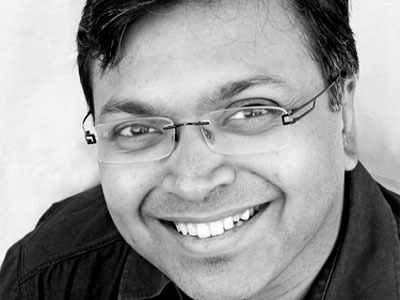
“Mythology is nothing but cultural truths,” says Devdutt Pattanaik, acclaimed mythologist, in a conversation with Dileep Padgaonkar.
‘There’s no qayamat or Judgement Day in Indian mythology.
There is no absolute right nor absolute wrong. Everything is contextual. Our problem is, because we follow the western model now, we don’t allow the other to have an opinion. We are judgemental. We want to see things in black and white. But curiosity, dissent, questioning is part of human nature and that is what allows us to grow, he says.
Talking of the Ramayana, he says Sita always took her own decisions. When Rama asked her not to follow him to the forest, she insisted on going along. Years later, when Rama wanted her to return to Ayodhya with the children, she insisted on raising them in the forest all by herself. “But we are made to see Sita as an ‘abla, bechari’ — helpless and vulnerable — when in fact she took independent decisions all her life.
“Ramayana is like chaat — you have the patriarchal version and the matriarchal one. When one perspective dominates, temper it with the other one, khatta-meetha! Balance it, enjoy the taste,” says Devdutt. To which Padgaonkar adds, that Mahabharata is a chaat bhandaar — what with Krishna cavorting with gopis on the one hand and on the other, being so serious and telling Arjuna to do his duty!
Devdutt adds: “Though the scriptures teach us a lot, we have to see things contextually. For example, though Gandhiji was inspired by nishkama karma in the Bhagwad Gita, he did not agree with the concept of violence. We should understand that Gandhi’s conflicts were different. Mine is different. Yours are different. We are living in different times. So we should not be judgemental. There is nothing right or wrong.”
We tend to believe that ‘one day the world will be a better place, free of suffering’. Devdutt points out that the world will continue as always, with all its problems, and we need to accept that. There are no fullstops in life — only semi colons and commas! Life is full of ups and downs. You can ride the wave; you cannot create it. So enjoy the ride!
By Ranjeni A Singh & Priti Agrawal
End of Article
FOLLOW US ON SOCIAL MEDIA
Photostories

Hot Picks
TOP TRENDING
Popular Categories
Hot on the Web
Top Trends
Liam PayneNayab Singh SainiIND vs NZ Live ScoreRohit SharmaIndian Team Lowest ScoreUGC NET ResultInfosys Q2 ResultHaryana Cabinet Ministers ListJustin TrudeauFlights Bomb ThreatJharkhand Election ScheduleBrandon McmanusMaharashtra Election 2024US Presidential Election 2024Maharashtra Election ScheduleJharkhand Election ScheduleLive Cricket Score
Trending Topics
Diwali WishesDhanteras 2024Fake PaneerLiam PayneVettaiyan CollectionVicky Vidya Ka Woh Wala Video CollectionLawrence BishnoiJigra OTT ReleaseCow GheeBigg Boss 18Salman KhanShraddha KapoorRenukaswamys WifeSharad Purnima Moonrise TimeSwatantrya Veer SavarkarSharad Purnima 2024Top Load Washing MachinesBest Premium LaptopsIntel LayoffsWordle Answer
Living and entertainment
Latest News
Injury scare for Team India as Rishabh Pant hobbles off the fieldHappy Dhanteras 2023: Images, Quotes, Wishes, Messages, Cards, Greetings, Pictures and GIFsDelhi BJP decides to go local, focus on roads, water, sanitation in election campaignLiam Payne's final meeting with Argentina fans at hotel goes viral; boy says 'You saved my life' - WATCHDA hike calculator: Dearness allowance & relief hiked by 3% - here’s how much extra salary, pension central government staff & pensioners will getKartikay Agarwal: Decoding how he is playing a role in the AI revolution and entrepreneurship renaissanceRaima Sen on playing iconic Suchitra Sen: It would be an honourTrending couple tattoo ideasBigg Boss Tamil 8 Preview: Emotional turmoil as housemates tease Dharsha Gupta over her cookingSalman Khan’s security beefed up after Baba Siddique’s murder: Arbaaz reacts, Vivek Oberoi's old video goes viral, and all that happenedLong-distance Karwa Chauth? Here’s how to celebrate when you are miles away from your partnerKamala avoiding any interviews that won't post-edit her answers: MuskCol CK Nayudu Trophy Cricket: Himachal Pradesh escape with a draw against RajasthanTony Khan hails Shelton Benjamin’s AEW in-ring debut as he sets up clash with Swerve StricklandKartik Maas 2024 Start and End Date: Time, Puja Rituals and Significance7 deadliest reptiles in the world from venomous snakes to turtlesDesi ghee and olive oil mixture: Can it help regrow hair?Bhopal to witness power cuts today; check details here
Copyright © 2024 Bennett, Coleman & Co. Ltd. All rights reserved. For reprint rights: Times Syndication Service