
- News
- lifestyle
- travel
- things-to-do
- What’s it like to visit the world’s highest Shiva temple?
Trending
What’s it like to visit the world’s highest Shiva temple?
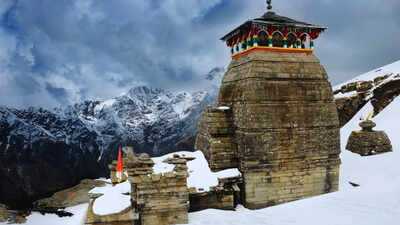
Tungnath Temple
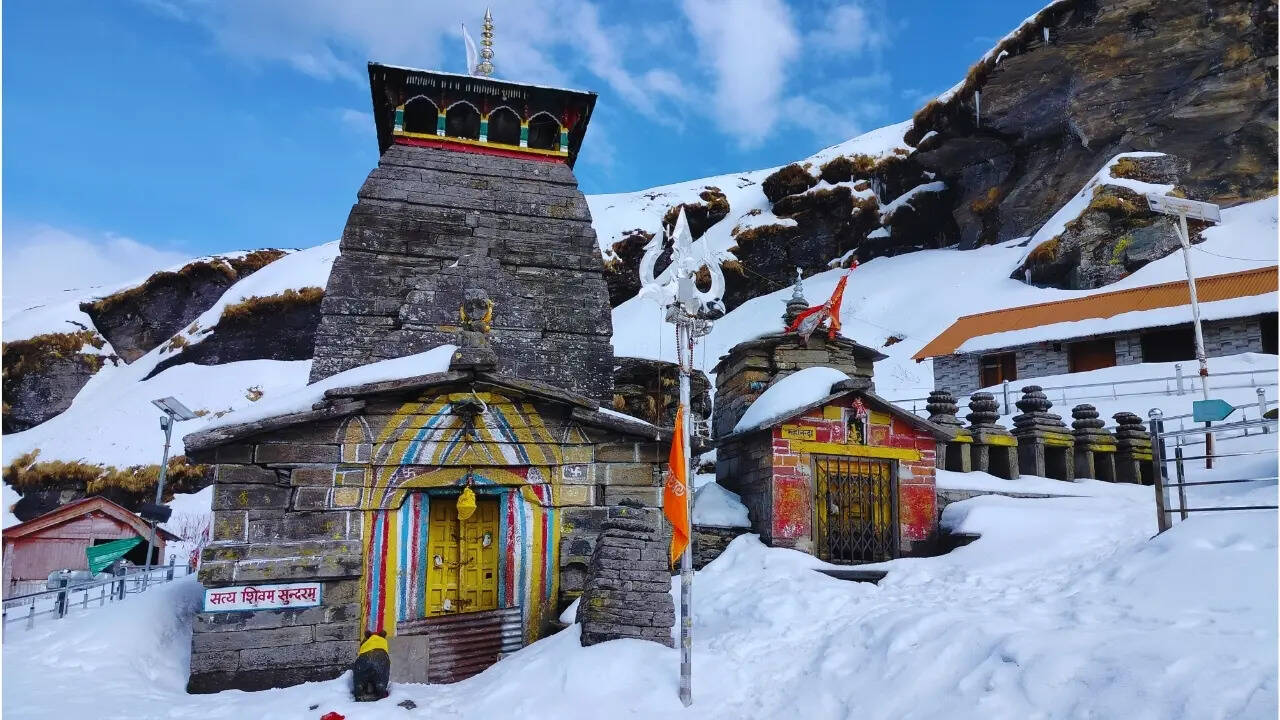
Tungnath temple in Uttarakhand
Tungnath beyond the “highest” tag
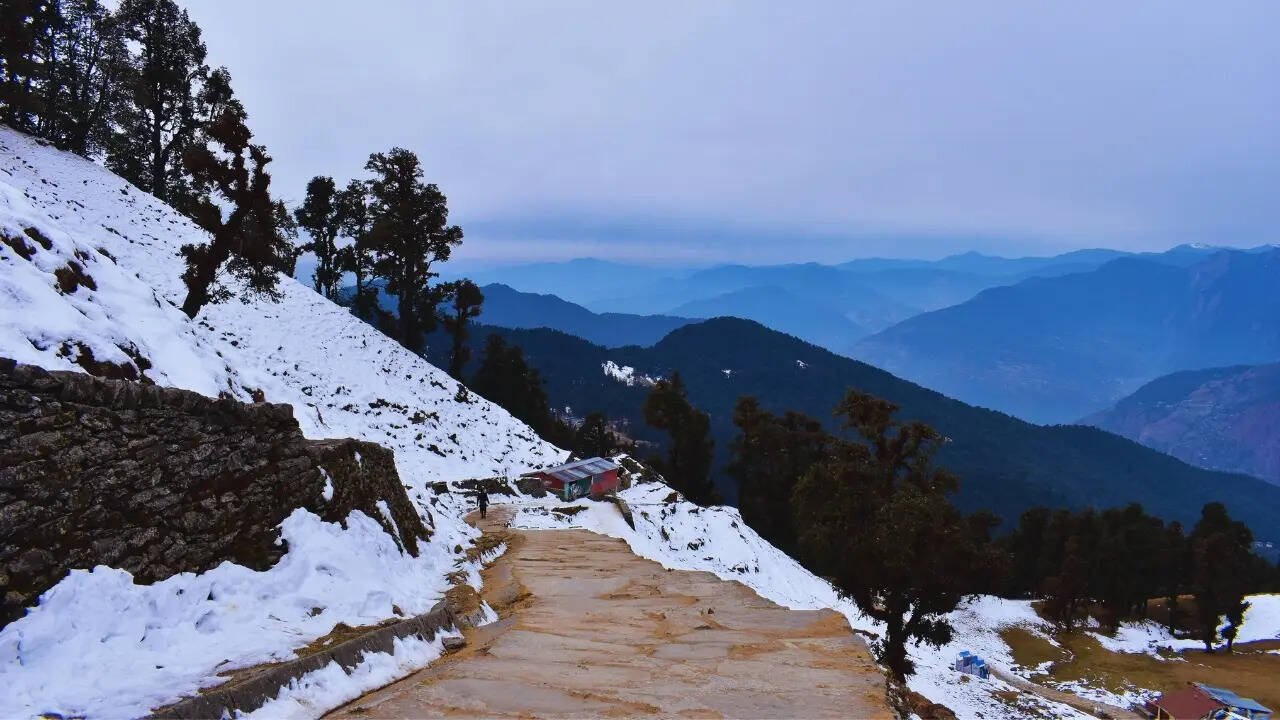
Trek from Chopta to Tungnath
Where it is located, and why that matters
How to reach Tungnath
- Reach Rishikesh or Haridwar (nearest major railheads/entry points)
- Drive through Devprayag, Rudraprayag, and Ukhimath
- Reach Chopta – the base point
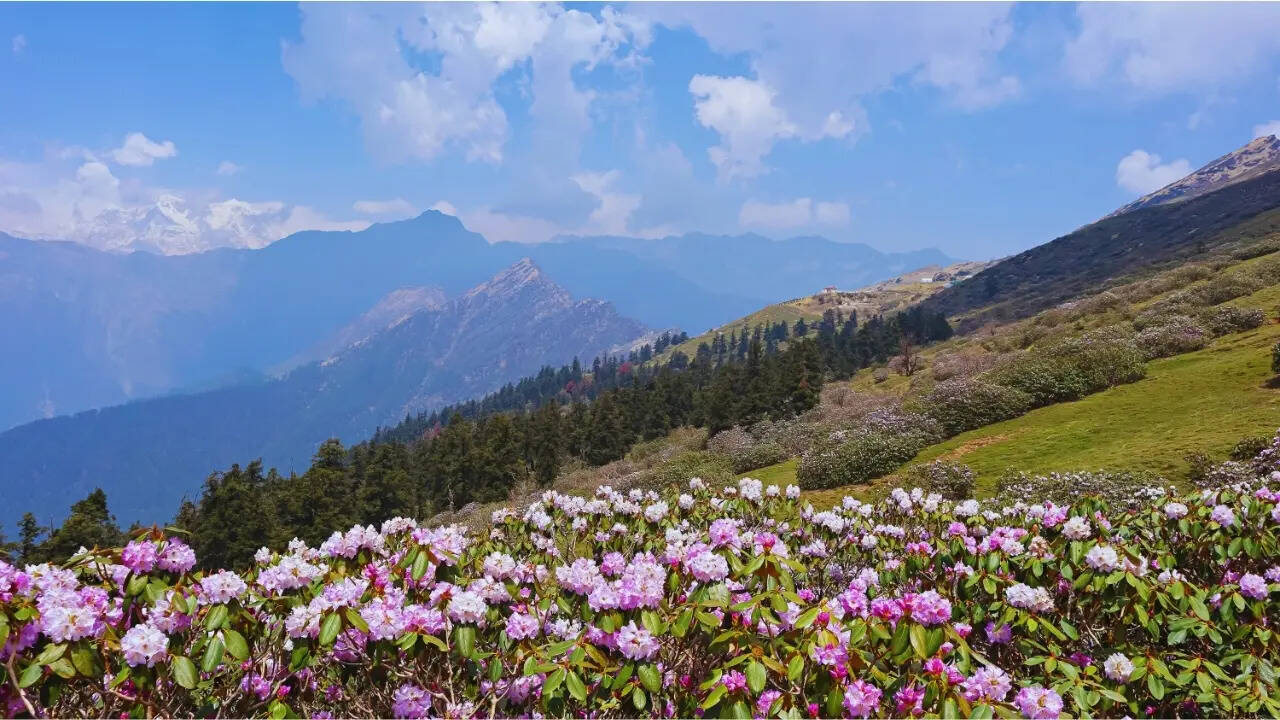
View from Tungnath trek
- The trek is stone paved, well-defined, and suitable for a beginner
- The trek is a steady, continuous climb, a gain of almost 1,000 metres in altitude
- Most people take anywhere from 2 to 4 hours to get to the temple
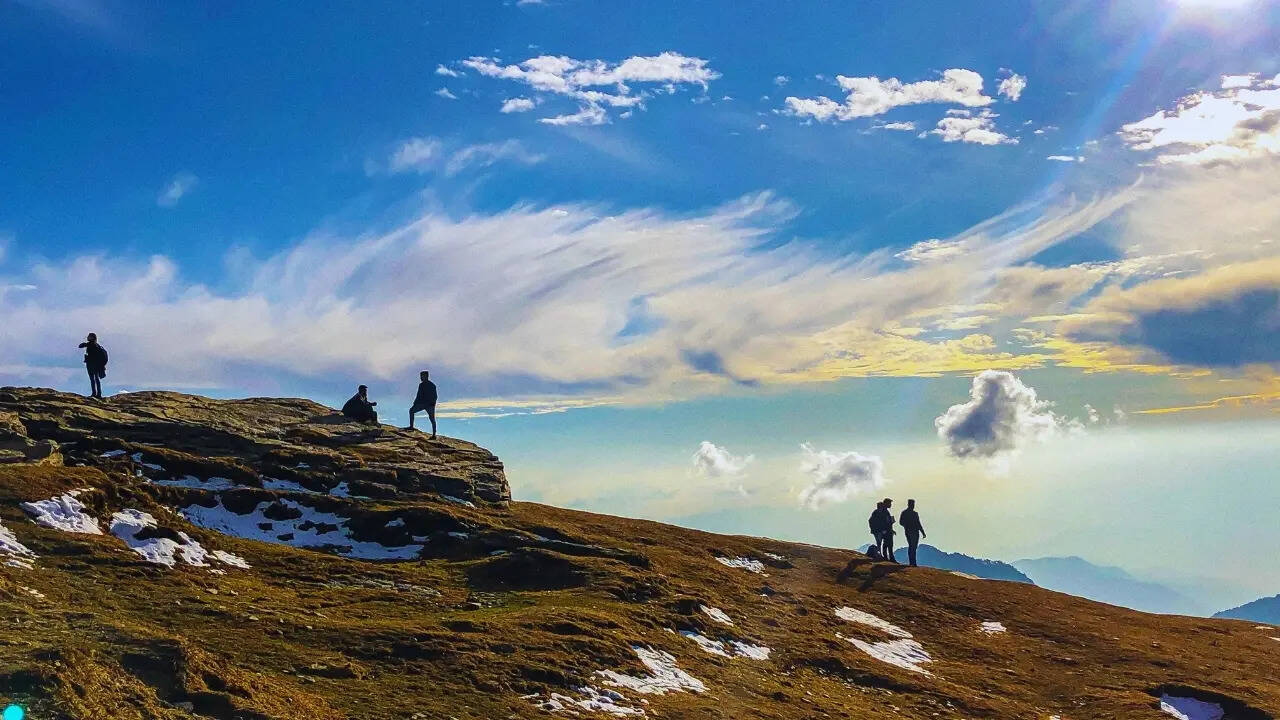
Chandrashila summit
Chandrashila: The extension that changes the experience
Why do people visit a temple so high?
Pilgrims
Trekkers
Travellers seeking perspective
What the experience actually feels like
- Clouds pass by at eye level
- The wind is always present but never too strong
- Sounds are different—bells, chanting, and even footsteps
Best time to visit
- May to June: Skies are clear, trails are accessible, peak season
- July to September: Scenic views, but mostly cloudy and rainy
- September to October: Ideal, clear views, fewer crowds
- Winter (Dec–Mar): Snowfall, temple closed, deity moved to lower altitude

About the AuthorTOI Lifestyle Desk
End of Article
Follow Us On Social Media
Health +
Tired of too many ads?go ad free now
lifestyle videos
Featured In Lifestyle

Tired of too many ads?go ad free now




Hot on the Web
Akshay KumarDhurandhar 2 Box Office CollectionMaya Angelou QuoteRajpal YadavDanish PandorPatrick WinstonMukesh ChhabraSnake Hole vs Rodent HoleYami GautamAamir KhanDhurandhar 2 ReviewPanchhi 2 Movie ReviewUstaad Bhagat Singh CollectionShatrughan SinhaR MadhavanAmita Singh TomarMagnesium Deficiency SymptomsDhurandhar 2 CollectionDhurandhar 2Saba AzadFoods For EnergyLPG vs PNG DifferencePuneeth Rajkumar HomeMovierulzAadu 3 Box Office CollectionHoroscope TodayVaranasiBrahmanandam HouseRamayana Ranbir Kapoor LookPeddi TeaserToday Gold Rate in ChennaiDelhi Weather TodayDelhi AQI TodayMumbai AQI TodayMaharashtra Public Holidays 2026Basketball Zero CodesJamie DimonHades 2Sam AltmanRedmi 15AMelinda French Gates
Trending Topics
Latest MoviesBollywood MoviesHollywood MoviesTamil Movies 2026Telugu Movies 2026Malayalam Movies 2026Kannada MoviesMarathi MoviesBengali Movies 2026Top Rated Movies 2026Best Hindi MoviesBest English MoviesBest Telugu MoviesBest Tamil MoviesBest Malayalam MoviesBest Kannada MoviesBest Bengali MoviesUpcoming Hindi MoviesBest Movies Of All TimeBest Hindi Movies of All TimeLatest English MoviesLatest Malayalam MoviesEnglish TV NewsTamil TV NewsTelugu TV NewsMalayalam TV NewsKannada TV NewsMovie ReviewsBhojpuri Cinema NewsGujarati Cinema News
Popular Categories
Viral NewsK Pop NewsWeb Series NewsAnime NewsUpcoming English MoviesUpcoming Tamil MoviesUpcoming Telugu MoviesUpcoming Malayalam MoviesUpcoming Kannada MoviesFashion TipsTravel NewsEntertainment NewsBollywood NewsTollywood NewsKollywood NewsMollywood NewsFood NewsLatest Hindi MoviesLatest Tamil MoviesParenting TipsHome RemediesWeight LossBeauty TipsParenting TipsHindi VideosHindi Video SongsBhojpuri Music VideosLatest Telugu MoviesBhojpuri Music VideoHindi TV News
Latest News
Emily Atack mourns ex-boyfriend Charlie Edwards; actress pens emotional tribute remembering his love and supportBadshah breaks silence after Tateeree controversy; Rapper says he’s ‘ready for the next phase’ with new music aheadUS stock markets today (March 27, 2026): S&P 500, Dow fall as oil rises above $100; Iran war uncertainty weighs on sentimentSukumar shares UNSEEN BTS video to wish Ram Charan on the actor's birthday; 'Rangasthalam' duo's reunion rumours excite fansHow a physicist’s accidental discovery revealed the invisible world of X-raysJaideep Ahlawat finally meets Virat Kohli; shares his 'Virat Lamha' with fansHow Akshaye Khanna perfected his viral 'Dhurandhar' dance moves over time; internet finds 'Proof'Hazaribag Ram Navami: Youth Lead Drug-Free, Disciplined Festival CampaignPM Modi to inaugurate Noida Jewar Airport: Project cost, facilities & more - all you need to know'IPL se better offer mila aur woh chale gaye': Ex-Pakistan star questions PSL's declineDirector Vignesh Raja reveals Dhanush's 'Kara' plot; A story set during the 1991 fuel crisis and a survival journeyNick Cassidy opens up on maiden pole with Citroen Racing at Madrid E-Prix: “A win, a podium, a pole…”Ranchi Ram Navami Processions: Thousands Celebrate with Colors, Chants, and TraditionJamshedpur LPG Crisis: Officials Crack Down on Hoarding and Black Marketing Amidst Supply ShortageGarhwa Religious Flag Clash: 19 Arrested, 4 Cops Injured in Ramkanda ViolenceDhanbad Municipal Corporation Board Meeting Resumes After 6 Years: Key Decisions ExpectedOne tragedy after another, stop the bloodbath on India's roads‘Brady’s Looking for Brady’: James Palmer drops telling Fernando Mendoza hint as Raiders’ QB debate heats up